
Vaccination is not just for Children, but also for Adults
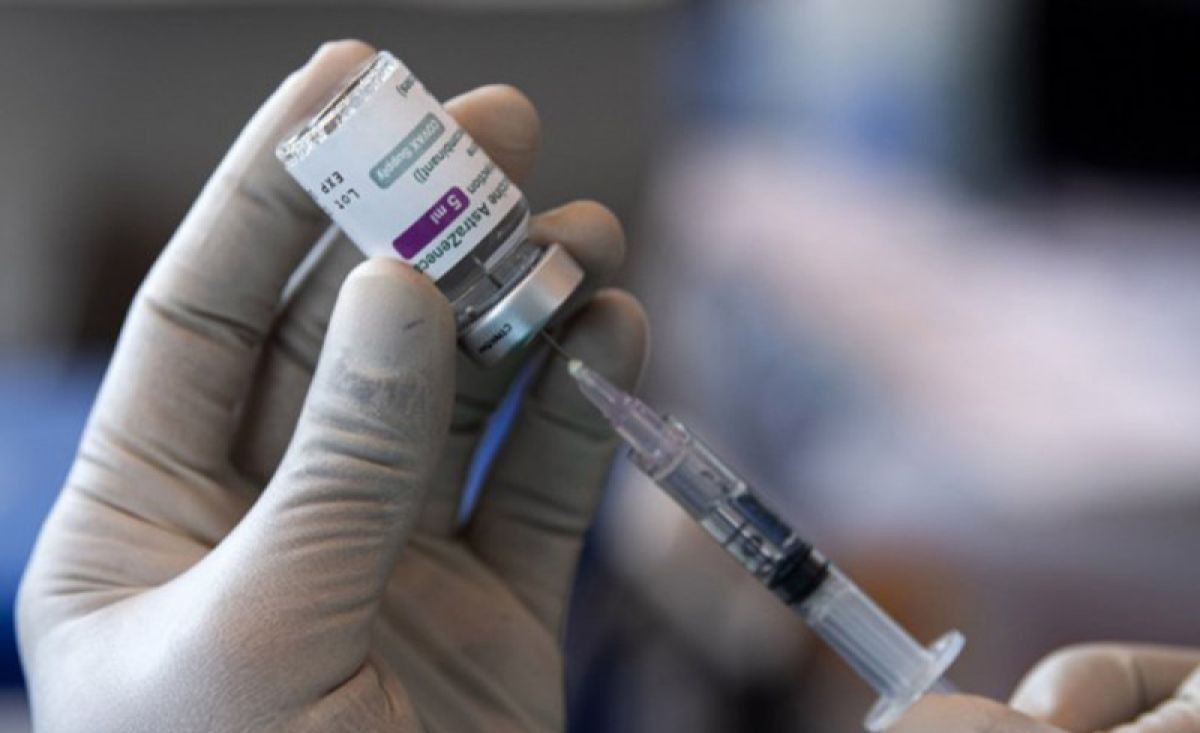
Vaccinologist and internal medicine specialist Dr. Dirga Sakti Rambe, Chief Medical Adviser at Imuni, has stated that vaccination is not exclusively for children but remains necessary throughout all life stages.
“Vaccination is lifelong, not just for children but from pregnancy through to old age, vaccines are important,” he said during a Media Gathering organised by Bumame entitled ‘The Future of Child Health in Indonesia’ in Jakarta.
Dr. Dirga further explained that vaccines play a crucial role in protecting the body against various infectious diseases that can cause serious complications if not prevented early. Although vaccination is required at various life stages, he considers child immunisation to have the greatest impact on public health.
“However, when measured by impact on public health, childhood vaccines remain more important and impactful,” he stated.
This is related to children’s developing immune systems, which are more vulnerable to infectious diseases. “Children are a vulnerable population with underdeveloped immunity, making them susceptible to disease and at risk of death,” said Dr. Dirga.
For this reason, childhood vaccination is administered to provide basic protection from an early age. With complete immunisation, children are expected to pass through growth and adolescence in good health. “The aim is slightly different; for children it is to develop immunity from an early age, so they pass through childhood and adolescence in good health,” he explained.
Adult vaccination has a somewhat different purpose compared to childhood immunisation. In most cases, adult vaccines function to reinforce or repeat protection previously provided. “For adults, it is more about repetition or boosters. Although they may have been vaccinated as children, antibodies can decrease with age, so further shots are needed,” Dr. Dirga said.
As people age, antibody levels in the body can decline. This condition makes individuals vulnerable again to diseases previously prevented through vaccination. Therefore, booster doses are an important step to ensure the immune system maintains optimal protection against various infectious diseases.
Beyond protecting individual health, adult vaccination also protects vulnerable groups nearby, such as infants, elderly people, or those with chronic diseases. Several types of vaccines are typically recommended for adults to maintain health protection.
One of the most common is the influenza or flu vaccine. This vaccine is usually recommended annually because the influenza virus continues to change. Additionally, there are tetanus, diphtheria, and pertussis (Tdap) vaccines that protect against dangerous bacterial infections. This vaccine is typically given as a booster after a person receives the basic vaccine during childhood.
Some other vaccines recommended for certain age groups include hepatitis B vaccine, pneumococcal or pneumonia vaccine, and HPV vaccine which can help prevent viral infections associated with cervical cancer.
Vaccine administration for adults is generally tailored to each individual’s health condition, age, and risk factors.
With improved understanding of the importance of lifelong vaccination, the public is expected to focus not only on child immunisation but also on protecting their own health through appropriate vaccination.