
US Weapons Flow into Middle East as Iran Depends on Russia
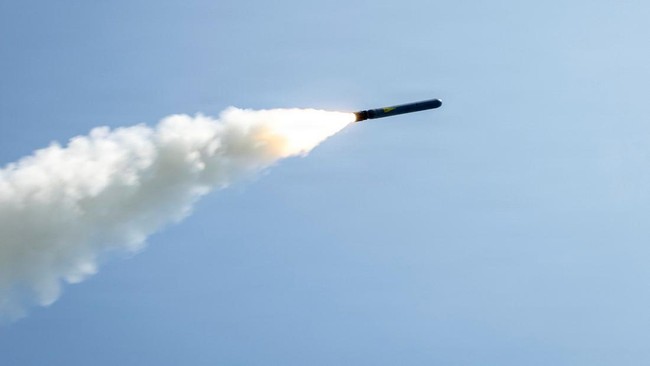
War and geopolitical tensions have solidified the Middle East as one of the world’s largest weapons markets. The region experiences substantial weapons import flows, with the United States holding a dominant position as the principal supplier.
According to the Stockholm International Peace Research Institute (SIPRI), the Middle East absorbed approximately 21% of global weapons imports in 2025, placing the region among the world’s largest centres of military trade over the past decade. Throughout the past ten years, the Middle East’s share of global weapons imports has consistently remained above one-fifth of total global trade.
This military spending surge coincides with escalating security tensions in the region. Regional conflicts, geopolitical rivalries, and the need for military modernisation have driven Middle Eastern nations to continuously upgrade their arsenals.
SIPRI data shows that the United States served as the largest weapons supplier to the Middle East during 2021-2025, with American export share reaching 54% of all regional weapons imports. This dominance establishes Washington as the principal military partner for several major regional powers.
Key nations relying on American weapons supplies include Saudi Arabia, Israel, and Qatar, all of which are major purchasers in ongoing defence modernisation programmes spanning years.
The scale of acquisitions is substantial. According to SIPRI, the United Arab Emirates purchased more than 13,000 missiles from the United States over the past decade. Meanwhile, Saudi Arabia received 89 fighter aircraft, over 150 armoured vehicles, and approximately 1,800 missiles from Washington during the same period.
This weapons procurement flow demonstrates how the military relationship between the United States and Gulf states has evolved into a closely integrated defence network. Weapons purchase contracts form a critical component of regional security strategy, addressing threats ranging from regional conflicts to rivalry with Iran.
The situation differs markedly for Iran. According to SIPRI, Iran’s entire weapons imports over the past decade originated from Russia. The weaponry acquired includes missiles, military aircraft, and air defence systems. This dependence reflects increasingly close military relations between Tehran and Moscow, particularly following Iran’s prolonged exposure to Western sanctions.
The data reveals that Iran’s weapons supply channels are considerably narrower than those of other regional states. Limited access to international markets makes Russia Iran’s primary partner in military modernisation.
The military relationship between both nations operates bidirectionally. According to SIPRI data, approximately 73% of Iran’s weapons exports in recent years were sent to Russia, demonstrating increasingly robust military integration amid global geopolitical pressures.
Overall, the Middle East’s weapons import map reveals a highly polarised structure. Gulf states and Western allies depend on the United States and European nations as primary suppliers, whilst Iran relies exclusively on Russia as its primary source of military technology.
This configuration creates two distinct weapons supply blocs in the region. The divergence in weapons sources influences the regional military balance, particularly within the context of ongoing conflicts and rivalries throughout the Middle East.
With imports accounting for more than one-fifth of global weapons trade, the Middle East is expected to remain a significant market for the global weapons industry. As long as geopolitical tensions persist, military contract flows to the region will continue.