
US Vice President JD Vance Says Nuclear Issue Still Blocks Iran Deal
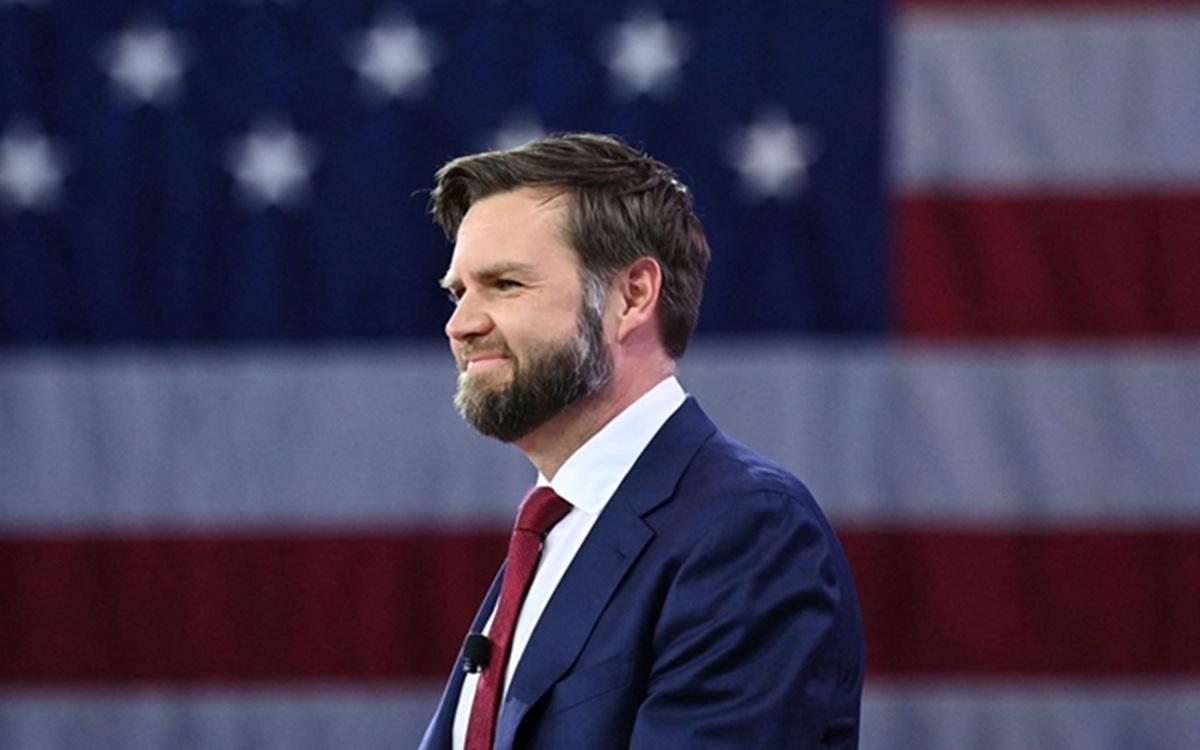
US Vice President JD Vance stated that the US and Iran still need to resolve several key points before a peace deal can be reached. When asked if President Donald Trump was close to signing an agreement, Vance emphasised it was too early to confirm when or if both sides would finalise the deal.
The proposed deal is reported to extend the ceasefire for 60 days while launching formal talks on Iran’s nuclear programme. This follows US officials’ claims that both countries had agreed on an initial framework, though Iran’s semi-official Tasnim news agency denied the deal had been confirmed.
Vance explained that negotiators are currently engaged in intense discussions over the wording of the agreement, particularly regarding uranium enrichment. The US has long demanded Iran halt high-enriched uranium production and destroy existing stockpiles to prevent nuclear weapon development.
“We are not there yet, but we are very close and will continue to push for it,” Vance told reporters in Washington DC, adding he believes Iran is negotiating in “good faith”.
Since the initial ceasefire took effect on 8 April, President Trump has repeatedly claimed both sides are close to a deal, though no substantive progress has been made on the ground. Trump faces mounting political pressure from Gulf allies, Democrats, and even within his own Republican party over the conflict’s duration.
Amid the uncertainty, the White House has stressed that “Option B”—a return to military operations—remains prepared if talks stall. Conversely, if the ceasefire is extended, both sides could shift to discussing complex technical issues, such as diluting Iran’s uranium reserves on-site or in a third country.
Leaked draft terms state the agreement would grant unrestricted access to the Strait of Hormuz, a vital shipping route for a fifth of global oil supplies. In return, Iran would have 30 days to clear mines, while the US would lift its maritime blockade and ease sanctions on Iranian oil sales.
Previously, Iranian state media released a 14-point draft memorandum demanding US troop withdrawal from around Iran, which the White House dismissed as a “complete lie”. US Treasury Secretary Scott Bessent also refused to pre-empt the president’s final decision.
“It is always a mistake to pre-empt the president, and this will all be the president’s decision,” Bessent stressed.
Tensions on the ground continue to escalate as both sides accuse each other of breaching the fragile ceasefire. Iran’s Islamic Revolutionary Guard Corps (IRGC) claimed it attacked a US military base following a US airstrike in southern Iran.
Iranian media also claimed to have shot down a US aircraft or drone, but US Central Command (CENTCOM) strongly denied the claim.
“No US aircraft have been shot down. All US aerial assets have been accounted for and confirmed safe,” CENTCOM stated on social media.