
US Tariff Negotiations Present Opportunity for Indonesian Economic Reform and Strengthening
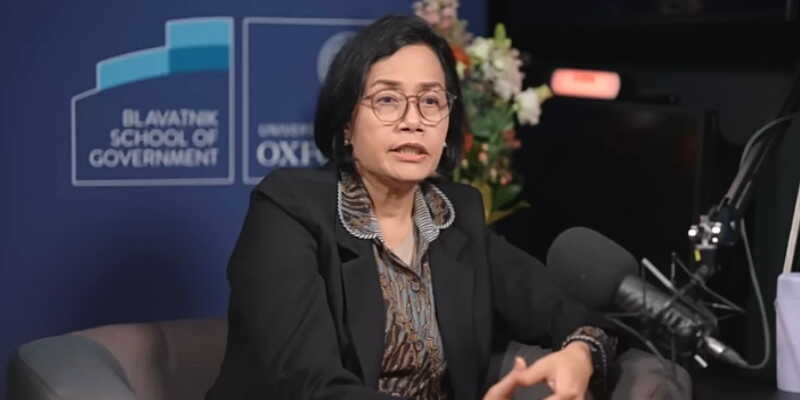
Former Indonesian Finance Minister Sri Mulyani Indrawati has asserted that unilateral tariff policies implemented by the United States have fundamentally altered the rule-based global trade system previously coordinated by the World Trade Organization (WTO).
Speaking on the Oxford Policy Pod, Sri Mulyani discussed evolving global trade dynamics, crisis management leadership, and strategies for Indonesia’s economic recovery.
According to Sri Mulyani, international trade and investment have historically operated within a multilateral cooperation framework that, whilst imperfect, provided a shared foundation for agreements. However, the unilateral imposition of tariffs by the US has prompted numerous countries to pursue bilateral negotiation channels instead.
“Ultimately, each nation has few alternatives other than to negotiate directly and bilaterally with the United States,” Sri Mulyani stated.
During these negotiations, Indonesia faces several demands from the US, particularly concerning non-tariff barriers. However, Sri Mulyani perceives this alignment with Indonesia’s domestic reform agenda. The government is currently undertaking improvements in the business climate, trade, and investment environment. Non-tariff barriers are considered to have both direct and indirect impacts on national economic competitiveness, particularly regarding foreign investment attraction and the development of competitive domestic enterprises.
Addressing such trade barriers is essential for enhancing national economic competitiveness in both foreign investment attraction and strengthening the domestic industrial base.
Sri Mulyani also highlighted opportunities for mutually beneficial trade cooperation. Indonesia possesses commodities sought by the US, whilst simultaneously importing strategic products including wheat and soybeans, with additional opportunities for collaboration in the oil and gas sector and aircraft purchases.
She emphasised that Indonesia does not regard tariff policy as an obstacle to trade relations, but rather as an opportunity to strengthen economically advantageous relations between both nations.
At the regional level, Sri Mulyani noted that ASEAN nations face differentiated dynamics. Several countries, such as Vietnam, receive preferential treatment from the US due to their position as manufacturing hubs integrated within China-related supply chains.
Nevertheless, ASEAN nations have agreed that collectively, the region possesses significant potential to play a constructive role in both regional and global economics.
“ASEAN maintains a strategic position to remain relevant and contribute positively amid the transforming global trade landscape,” concluded Sri Mulyani.