
US Superpower Status Could Shift Due to Iran Conflict
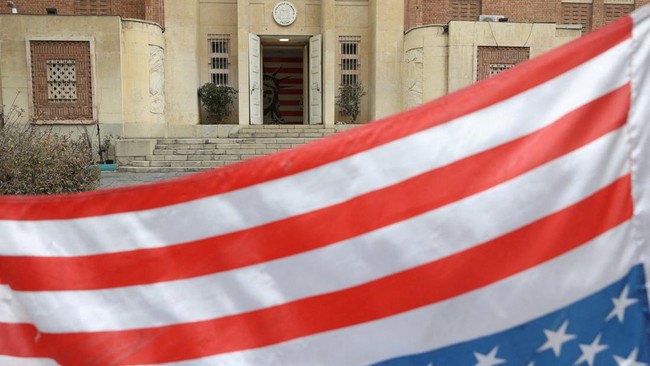
Conflict between the United States and Iran during the early stages of President Donald Trump’s second term is considered likely to alter the global balance of power. Analysis from Foreign Policy magazine suggests that Washington’s military policy towards Iran could accelerate the decline of American global influence.
As the war between the US and Israel against Iran entered its third week, analysts assessed that the most significant impact may extend beyond maritime routes in the Strait of Hormuz or fluctuations in global oil prices. The more substantial consequence lies in how this conflict could reshape America’s position within the international system.
“For several decades, Washington has sat at the centre of the global order, which means any shift in its influence will have consequences far beyond the United States itself,” the publication stated.
“According to Foreign Policy’s analysis on Thursday, profound changes in the global system may already be underway,” reported the Iran-linked Al-Mayadeen.
For several decades following the end of World War II, Washington served as the centre of the global order. Consequently, any change in American influence is expected to have far-reaching impacts on global geopolitical stability.
More Unilateral Foreign Policy
Since the end of World War II, the United States has scarcely ceased conducting military operations abroad. This reinforced Washington’s role as the principal actor in global security affairs.
However, entering the 21st century, segments of the American political establishment began questioning how the nation should exercise its military power. America’s once-dominant economic and military advantage has begun to narrow, whilst other nations strengthen their positions.
This situation has prompted some policymakers to be more selective in employing military force.
Global Economic Power Beginning to Shift
The report notes that even without Trump, American economic influence is expected to decline relatively over the long term. This is driven by the economic rise of nations such as China and India, and the increasing role of other developing countries referred to as “middle powers”.
Countries not currently regarded as major powers are estimated to potentially become among the world’s largest economies by the end of this century. The publication cited Nigeria as one such example.
The “Star Before Collapse” Analogy
The analysis also employed an analogy from astronomy. In astronomy, a star often reaches its maximum size just before entering its collapse phase.
Trump’s aggressive and confrontational foreign policy is viewed as potentially reflecting a similar condition. Rather than representing a resurgence of American power, it may signal an instance of “overreach” or excessive use of force.
Critics also assess that America’s alliance system—which has served as the primary pillar of Washington’s global influence—is beginning to face pressure. Several allies in Europe and Asia may seek alternative partnerships or pursue more independent strategic paths.
Risks of Prolonged War
Increasingly greater use of military force is also considered to pose substantial risks for the United States. Past experiences from wars in Iraq and Afghanistan have demonstrated the considerable financial and strategic costs of prolonged conflicts.
Analysts warn that war with Iran risks repeating the same pattern if no clear diplomatic exit exists. With conflict continuing across the Western Asia region and heightening tensions with Israel, the war risks becoming a long-term burden on American resources and strategic focus.