
US Strike on Venezuela: A Shock That Reaches Far Beyond Caracas
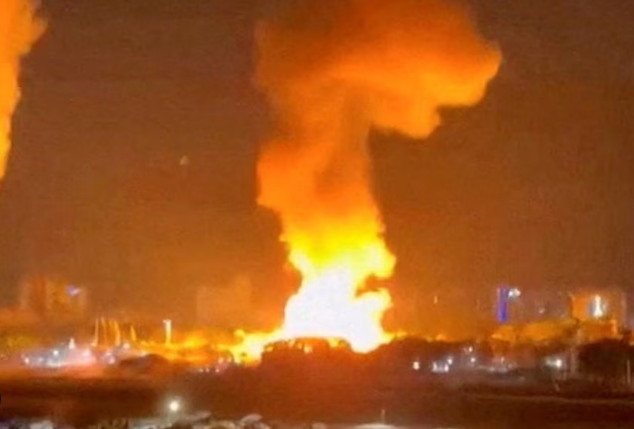
The US strike on Venezuela on January 3rd did more than remove a long-entrenched leader. It jolted diplomacy, unsettled markets, and forced an old question back into the open: how far can power go in the name of justice before the rules themselves start to bend? After coordinated attacks across Caracas and several other regions, US forces detained President Nicolás Maduro and his wife and transferred them to the United States to face federal charges. Washington described the operation as a necessary response to a criminalized regime. Many governments, however, saw something more troubling — a breach of sovereignty that could carry consequences well beyond Latin America. From Oil Wealth to Collapse: Venezuela’s Long Decline To understand the intensity of the reaction, it helps to look back. Three or four decades ago, Venezuela ranked among South America’s wealthiest nations. Oil revenues supported social programs, public works, and a confident middle class. That promise did not last. Under Hugo Chávez and later Maduro, political power steadily concentrated while institutions weakened. State controls distorted the economy. Oil output fell sharply. Corruption spread with little restraint. Elections lost credibility. Over time, the crisis moved beyond economics. Food and medicine shortages became routine, crime surged, and millions of Venezuelans left the country in search of safety and work. This history explains the mixed emotions now visible abroad. While many governments condemned the strike, images and videos showed Venezuelans overseas celebrating Maduro’s detention. From Miami to parts of South America and Europe, expatriate communities gathered with flags and music, expressing relief and cautious hope. For them, this was not a theoretical debate about international law. It felt like the possible end of a system they believe stole years from their country. Criticism, Condemnation, and Unease in Indonesia Celebration among parts of the diaspora did not translate into broad global approval. The US strike on Venezuela drew sharp criticism across Asia, Africa, and Latin America, where concerns about precedent run deep. Indonesia’s response was measured but firm. The Foreign Ministry warned that the use of force risks weakening international law and destabilizing fragile regions. Officials emphasized sovereignty, dialogue, and civilian protection. Lawmakers and civil society groups echoed those concerns, with youth organizations openly condemning what they described as a dangerous return to unilateral action. Public sentiment in Indonesia reflects a familiar tension. Many Indonesians are uneasy with foreign military intervention against a sovereign state. At the same time, there is little sympathy for authoritarian regimes that suppress dissent and hollow out democratic institutions. The unspoken question remains: can opposition to intervention coexist with a clear stand for freedom and accountable government?