
US Spends $12 billion in Two Weeks of War Against Iran
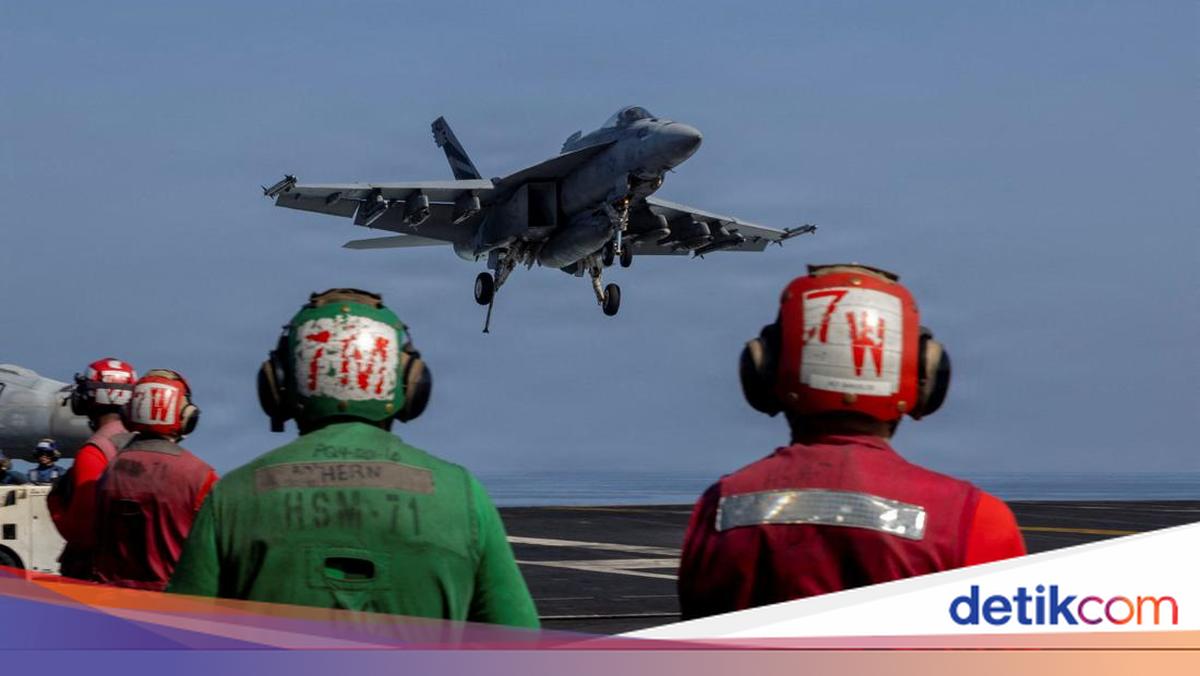
Two weeks have passed since the United States and its ally Israel launched bombing campaigns against Iran on 28 February 2026. The United States has reportedly spent $12 billion, equivalent to approximately Rp 203.8 trillion.
The conflict, which has raged for the past 17 days, has raised concerns about potential domestic economic impacts in the US. The Middle East remains unstable following Iran’s retaliatory strikes against Gulf countries hosting American military forces.
Kevin Hassett, President Donald Trump’s chief economic adviser, revealed the substantial cost during an interview with CBS’s “Face the Nation” broadcast on Sunday 15 March, according to Al Jazeera (16 March 2026). Hassett initially presented the figure as a total projection for the entire war.
However, during the CBS interview, the White House National Economic Council Director clarified that the $12 billion figure, equivalent to Rp 203.8 trillion, represented the latest cost data he had received thus far.
CBS journalist Margaret Brennan noted that the US spent more than $5 billion (Rp 84.9 trillion) on ammunition alone during the first week of conflict. Hassett did not directly respond to this figure.
Dismissing Economic Threats
Hassett dismissed concerns about economic fallout from the US military operations. He explained that financial markets, which set the price of future energy contracts, have already anticipated a quick resolution and lower energy prices, contradicting American consumer concerns over rising fuel costs at petrol stations.
He claimed the surge in global oil prices, resulting from Iran’s closure of the Strait of Hormuz, would have greater impact on nations dependent on that oil than on Washington. “America will not suffer economic losses due to Iranian actions. We have plenty of oil,” he said, adding that the situation would differ from the 1970s.
Meanwhile, US Defence Secretary Pete Hegseth recently warned that bombing operations against Iran “will increase dramatically”. This indicates that costs for the US military campaign will continue to rise.