
US Sinks Iranian Vessel as India's Neutrality is Tested
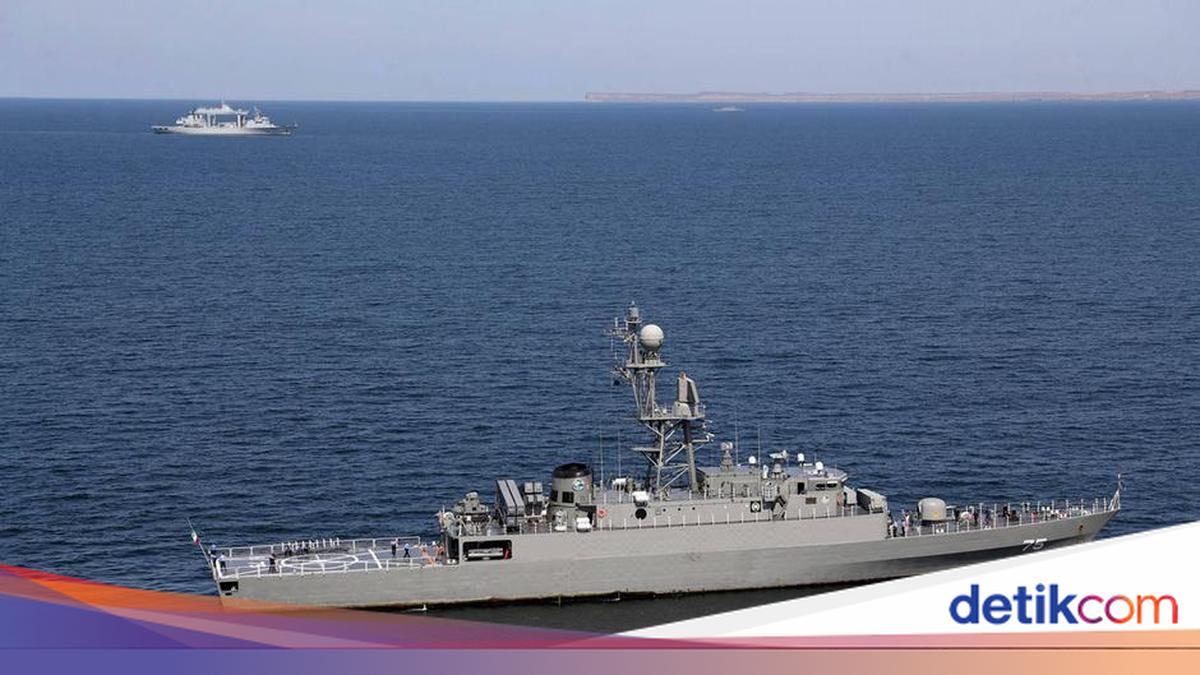
On the early morning of Wednesday, 4 March, a US Navy combat submarine sank the Iranian Navy frigate IRIS Dena in international waters, approximately 20 nautical miles (37 kilometres) from the southern coast of Sri Lanka.
The Iranian warship was returning home from the MILAN 2026 multinational naval exercise hosted by the Indian military.
At least 87 Iranian sailors died in the attack, marking a major escalation of the conflict between the US and Iran beyond the Persian Gulf region.
The sinking of the Dena as part of “Indian Ocean reality”
The incident triggered strong reactions in India. Many observers highlighted that the vessel had previously been a guest of the Indian Navy. Although the sinking occurred in international waters of the Indian Ocean, the incident still took place in a region where India is attempting to assert its maritime leadership and dominance.
Prime Minister Narendra Modi and the Indian Ministry of Foreign Affairs initially offered no comment on the attack.
Eventually, Foreign Minister S. Jaishankar stated that the sinking of the vessel was part of the “reality of the Indian Ocean.”
“When the (Iranian sailors) departed and came here, the situation was very different. They came to attend a fleet inspection. However, then on the other hand, they became trapped in an unfavourable situation,” said Jaishankar.
The US attack tests India’s position in the Iran conflict
The limited public response reflects a common pattern in Indian foreign policy: avoiding direct criticism of strategic partners, even when unpleasant incidents occur.
This stance is also consistent with India’s diplomatic position in the current Iran conflict. New Delhi seeks to remain neutral and calls for restraint, de-escalation, and a return to dialogue.
However, some observers in India view Modi’s silence as a sign of weakness. Opposition parties have accused the government of being vulnerable to regional crises and demanded condemnation of US actions.
“Conflict has reached our back garden, where an Iranian warship has been sunk in the Indian Ocean. Yet the Prime Minister says nothing. At such times we need strong leadership. But India has a Prime Minister who has surrendered our strategic sovereignty,” wrote Modi’s political rival Rahul Gandhi on the X platform.
In response, Jaishankar reminded observers that various major powers have long been present in the region, including a US military base on the small island of Diego Garcia, Chinese vessels at Hambantota port in Sri Lanka, and some foreign troops operating from East Africa.
Iran’s gratitude to India
Indian opposition leaders, including Rahul Gandhi and Mallikarjun Kharge, held demonstrations outside parliament on Monday, 9 March with banners reading, “India needs leadership, not silence.”
They demanded parliamentary discussion on the economic impact of the escalating Middle East crisis, including rising fuel prices in India. Many Indian citizens remain trapped in conflict zones in the Gulf region.
Jaishankar told parliament that India had granted emergency docking permission to three Iranian vessels.
“The ship crews are currently at Indian Navy facilities and we believe this is the right step. Iran’s foreign minister has also expressed his gratitude,” he added.
Meanwhile, another Iranian vessel, IRIS Bushehr, sought protection in Trincomalee port, Sri Lanka.
The Indian foreign minister also stated that New Delhi is “making every effort” to bring Indian citizens trapped in the Middle East back to the country.
Who controls the Indian Ocean?
Although India lacks legal or operational authority to oversee international waters near the southern coast of Sri Lanka, experts believe the incident raises uncomfortable questions about India’s ability to manage security in its surrounding region.
“Regardless of the awkward diplomatic impact for India, the incident ultimately demonstrates the reach of US submarine warfare capabilities,” said maritime security and strategy expert Commodore Uday Bhaskar, speaking to DW.
According to him, the sinking of the Dena confirms a fundamental reality of maritime power.
“Ocean dominance rests with the party that possesses the most advanced underwater surveillance and weaponry capabilities,” he said.
Bhaskar also warned that under President Donald Trump’s leadership, the United States is likely to continue using these capabilities unilaterally.
Meanwhile, Indian defence analyst Brigadier S.K. Chatterji stated that India still has a number of “cards” it can play as a naval power in the event of a major crisis, including the ability to disrupt shipping traffic towards the Strait of Malacca. This is a vital trade route passing between Malaysia and Indonesia.
“We are a significant power in the Indian Ocean, but with our current resources we cannot yet dominate it,” said Chatterji. “Our advantage is geographical. India juts into the Indian Ocean like a floating deck.”
The Iranian vessel “essentially defenceless”
The attack marked the first US submarine attack on a surface vessel since World War II.
Senior Indian diplomat and former foreign minister Kanwal Sibal said the attack appeared to have been planned, as the US knew the Iranian frigate was participating in the military exercise and would transit through the area afterwards.
“The vessel was essentially defenceless because protocols for such exercises typically require participating ships not to carry ammunition,” said Sibal.
“Ironically, the naval exercise called ‘MILAN’, which means ‘unite’, but the US disregarded India’s agreement, even though the vessel was in those waters because of our invitation,” he added.
The incident has also reinforced underlying tensions in the region.