
US Senator Marco Rubio Urges Iran to Include Missile Program in Negotiations
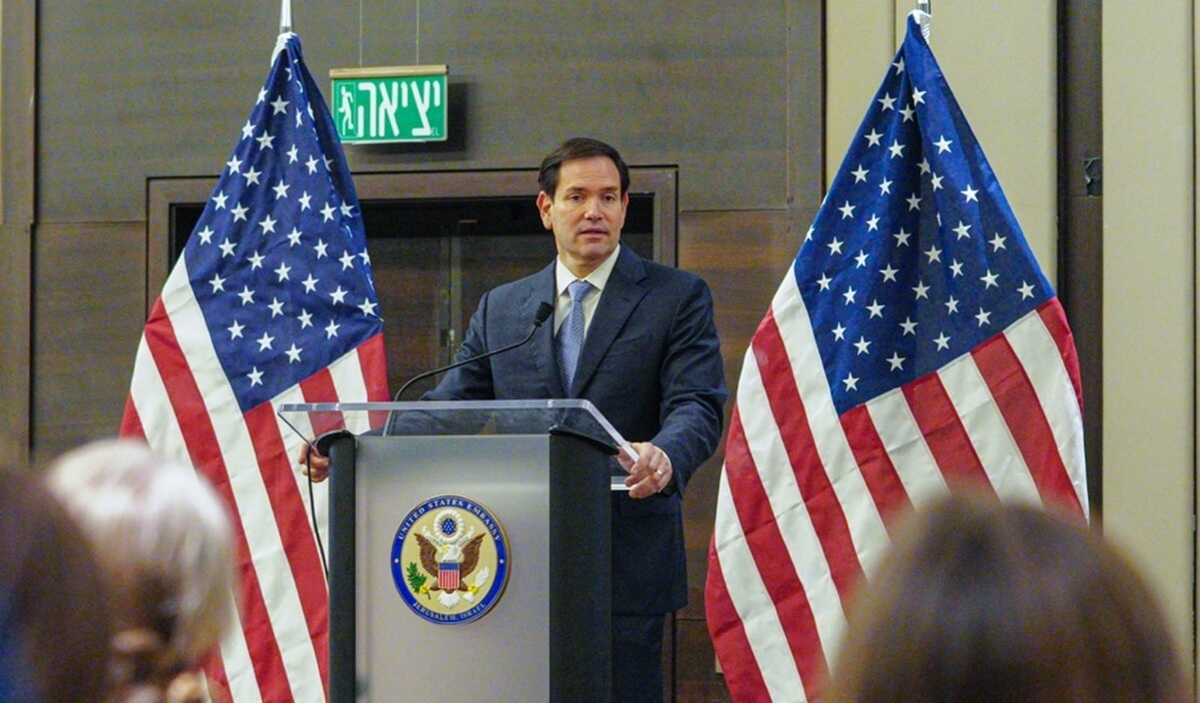
US Secretary of State Marco Rubio issued a stern warning to Iran regarding its ballistic missile program. This statement came just a day after President Donald Trump accused Tehran of developing rockets capable of reaching US territory.
Speaking during a visit to Saint Kitts and Nevis on Wednesday, Rubio stressed that Iran’s reluctance to negotiate on its weapons is a major obstacle to diplomacy between the two countries.
“I would say that Iran’s insistence on not discussing ballistic missiles is a very, very big problem,” Rubio told reporters ahead of new talks between the US and Iran.
Rubio’s statement sets the tone for the US delegation that will meet with Iranian representatives in Geneva. He believes that future agreements cannot be limited to monitoring nuclear activities but must also include Iran’s long-range missile capabilities.
Despite rising tensions, Rubio declined to say whether the Geneva meeting would be a make-or-break moment that would determine whether the US would launch a military strike. He emphasized that President Trump’s current priority is formal diplomatic channels.
“The President wants a diplomatic solution. He prioritizes that,” Rubio added.
Regarding the planned talks in Geneva, Rubio expressed hope that the meeting would yield tangible results for global security. However, he reiterated that the scope of the discussion must be expanded soon.
“Hopefully, the talks will be productive, but ultimately we have to have a conversation about more than just the nuclear program,” he said.
In response to speculation about a potential air strike against Iranian strategic facilities, Rubio stated that there have been no orders from the White House to date. However, he stressed that progress at the negotiating table is crucial.
“The President has not made a decision on that (an attack), so I don’t know if Thursday is a key date for that. I think progress needs to be made,” Rubio concluded.
Rubio’s assertive move reflects the US foreign policy of increasingly pressuring Tehran to make full concessions on its entire weapons program to avoid a wider conflict in the Middle East. (AFP/Z-2)