
US Senator Demands Explanation from Trump on Economic Impact of Iran War: Harms Middle and Lower Classes
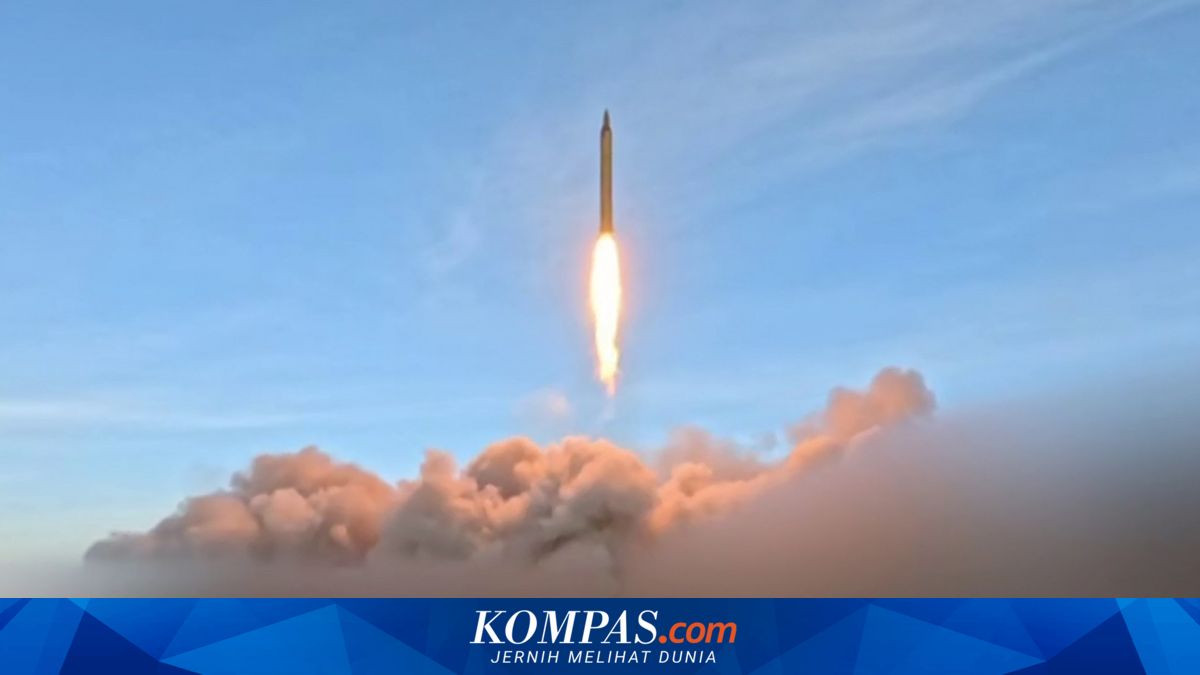
WASHINGTON, KOMPAS.com - Senator Elizabeth Warren has launched a fierce critique against President Donald Trump’s policy on the Iran war, which she deems a major risk to the US economy.
In a letter sent on Friday (20/3/2026) to US administration officials, she demanded responses to various economic questions related to the Iran war, detailing several issues concerning its impact on food prices, energy, and retail, as well as other concerns.
The liberal Democratic politician from Massachusetts stated that President Donald Trump has “dragged the United States into an illegal and reckless war” that will harm US consumers, especially the middle and lower classes.
As a senior member of the Senate Banking Committee, Warren assessed that the war exacerbates existing economic pressures. She also highlighted the absence of concrete plans from the government to curb price increases.
“This list of economic consequences continues to grow,” she wrote.
“And it appears that the Trump Administration has no meaningful plan to keep prices low or prevent Americans from lacking the goods they need to work, go to school, and feed their families,” she continued.
Since the conflict began three weeks ago, energy prices have surged significantly. Global oil prices are approaching $110 per barrel, while petrol prices in the US are nearly reaching $4 per gallon—about $1 higher than the previous month.
Although official March inflation data has not yet been released, the rise in energy costs is expected to drive inflation higher for as long as the war continues, including ripple effects on food prices and other consumer goods.
Warren also questioned whether the government conducted an economic impact analysis before the war started, as well as projections for prices through the remainder of 2026.
The letter was addressed to several key economic officials, including the Secretary of the Treasury, the Director of the National Economic Council, and the Chair of the Council of Economic Advisers.
Meanwhile, Federal Reserve Chair Jerome Powell has previously acknowledged the possibility of rising energy prices, though he could not confirm long-term impacts. The US central bank also opted to hold its benchmark interest rate, partly due to uncertainties stemming from the war.
This issue reinforces concerns that geopolitical conflicts can directly pressure people’s purchasing power, while also slowing global economic recovery.