
US Senate Rejects Limits on Trump's War Powers Against Iran
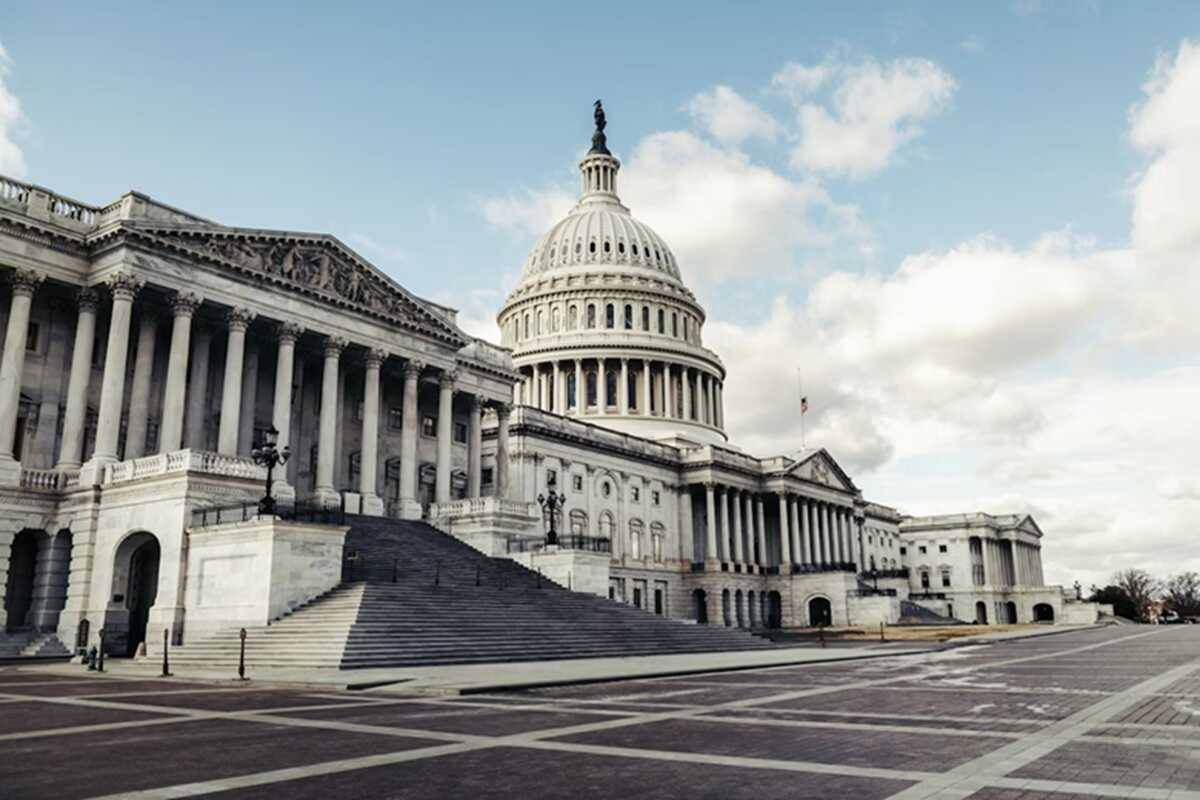
Cross-party efforts in the United States Senate to curb President Donald Trump’s power to wage war against Iran have failed. The resolution was rejected by a 53-47 vote, with votes largely along party lines.
The measure would have blocked US military action in Iran unless directly approved by Congress. The move comes amid a spike in tensions triggered by Saturday attacks by the United States and Israel on Iran, which Tehran has retaliated against Israel and US allies in the Gulf.
Democrats argued that Trump has sidestepped Congress and given shifting justifications for the urgency of war. Although most Republicans blocked the resolution, some senators signalled they could change their position if war widened in the coming weeks.
Defence Secretary Pete Hegseth estimated the conflict could last eight weeks, nearly double the early statement by Trump at the weekend.
During Wednesday’s vote, two senators broke ranks: Democrat John Fetterman rejected the resolution, while Republican Rand Paul voted in support of limiting the president’s war powers.
Republican moderate Susan Collins explained her decision to oppose the measure, saying enacting such legislation now would send the wrong message to Iran and to US troops. ‘At this point, giving full backing to our military is essential, as is ongoing consultation between the administration and Congress,’ she said.
In contrast, Senate Democratic Leader Chuck Schumer criticised the move before voting to back the resolution. ‘Are you standing with the American people tired of perpetual war in the Middle East, or with Donald Trump and Pete Hegseth as they lead us into another war?’ he asserted.
Although the president has broad authority to launch military action without a formal declaration of war, legally Congress must be notified within 48 hours of hostilities beginning. Secretary of State Marco Rubio asserted that the administration has complied with this requirement via a letter sent last Monday. Rubio also noted that historically no presidential administration has treated the War Powers Act 1973 as constitutional; the act was originally enacted in 1973 to curb President Nixon’s powers in the Vietnam War.
Since the 11 September 2001 attacks, the US government has frequently relied on the Authorization for Use of Military Force (AUMF) as the legal justification for military action in the Middle East. To date, efforts to repeal the authorisation have repeatedly failed in Congress. A separate push to limit war powers will be taken up for a vote in the House of Representatives on Thursday. (BBC/Z-2)