
US Ready to Strike Iran's Power Plants if Ordered
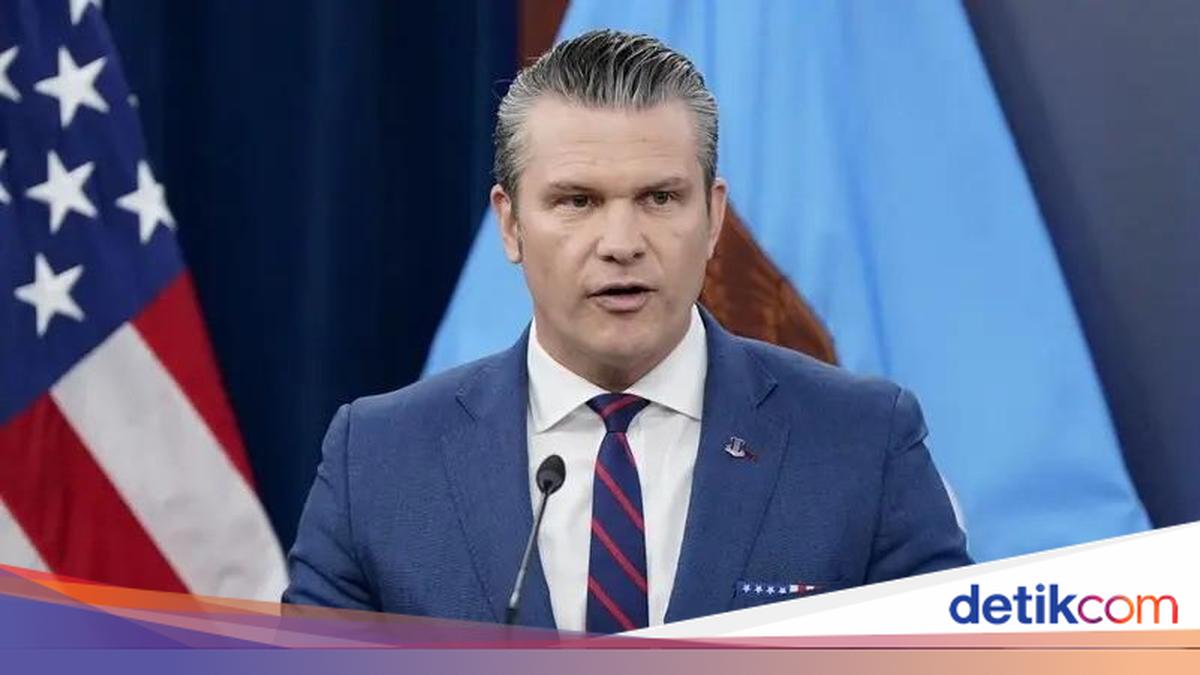
US Defence Secretary Pete Hegseth stated that the US naval blockade of Iranian ports is merely an example of “polite” behaviour during the ceasefire. Hegseth warned that US forces are ready to strike power plants and Iran’s energy industry if ordered.
Speaking at a press conference at the Pentagon, the US Department of Defence, as reported by Reuters and TRT World on Friday (17/4/2026), Hegseth said that Iran needs to make a wise choice, as the next round of peace negotiations with the US is set to take place soon.
“If Iran makes a bad choice, then they will face a blockade and bombs dropped on infrastructure, power installations, and energy,” Hegseth warned Iran during the press conference on Thursday (16/4) local time.
In a statement directed at Iran’s leadership, Hegseth said that the US naval blockade “is a polite way that can be done”. He stated that the massive US naval blockade against Iranian ports would be carried out for as long as necessary.
“We are preparing ourselves with greater strength than before, and better intelligence,” he said.
“We are ready to strike your critical dual-use infrastructure, your remaining power plants, and your energy industry,” Hegseth warned Iran directly.
However, the Pentagon chief also added: “We would prefer not to have to do it.”
In the same press conference at the Pentagon, the US Joint Chiefs of Staff leader, General Dan Caine, affirmed that American forces “are ready to resume large-scale combat operations in a short time”.
The Trump administration, on Wednesday (15/4), expressed optimism for reaching an agreement to end the war between the US and Iran. However, Washington also warned of increased economic pressure on Tehran if the country remains firm in its stance.
This includes a blockade of Iranian ports that has been in place since Monday (13/4) local time, with the US military forcing at least 13 ships to turn back.
Trump hopes the blockade will force Iran to accept the terms proposed by the US to end the war that has been raging since late February, triggered by a joint Washington-Israel attack.
One of the US conditions is the reopening of the Strait of Hormuz, which has been effectively blocked by Tehran during the ongoing war. That vital waterway is usually traversed by about one-fifth of global oil and gas exports.