
US Plans Ground Assault on Iran as Majority of Public Opposes
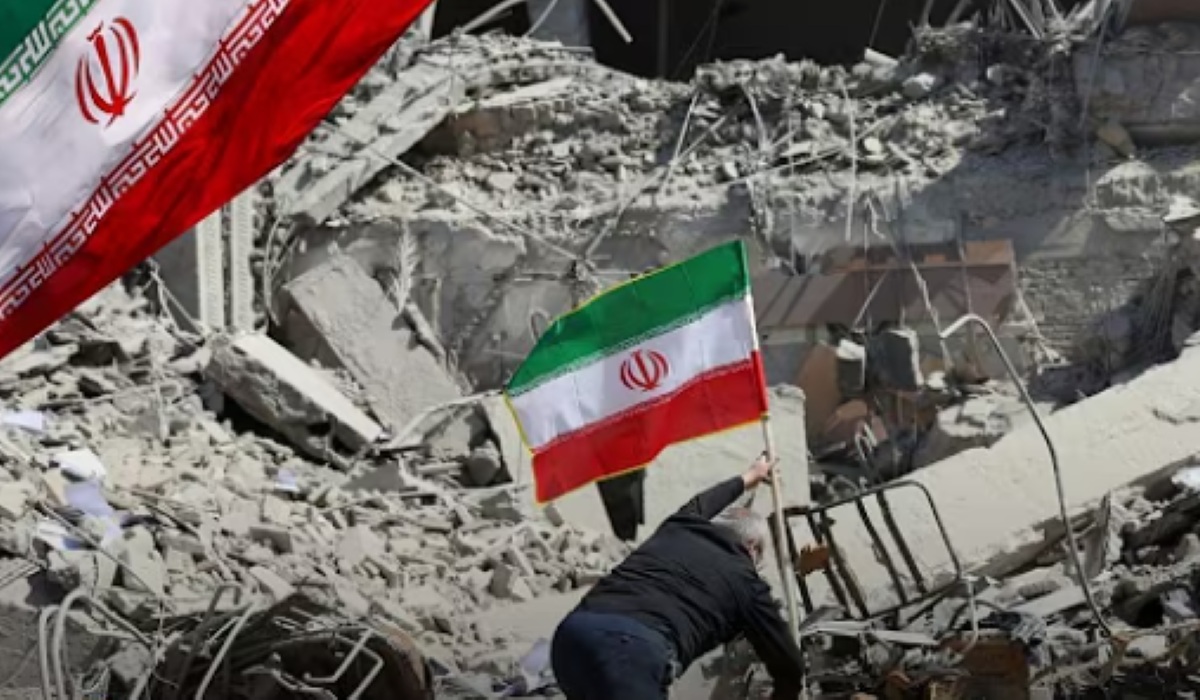
The US Department of Defense is planning scenarios for a ground assault on Iran in the coming weeks amid the deployment of US personnel to the Middle East, although the decision on a ground operation remains in the hands of President Donald Trump. According to a Washington Post report on Saturday (28/3), officials stated that the plan could mark a new phase of the war that would be significantly more dangerous for US forces than the operations conducted over the past four weeks. The planned ground operation would not be a full-scale invasion but could include raids by special operations personnel and infantry, according to unnamed officials. However, such an operation would expose US personnel to threats from drones and missiles, ground fire, and improvised explosive devices. “The Pentagon’s task is to prepare so that the Commander-in-Chief has the most optimal options,” said White House spokesperson Karoline Leavitt, as quoted by the US media outlet. “That does not mean the President has made a decision,” Leavitt added. Among the scenarios discussed are operations against Kharg Island, a key Iranian oil export point, and raids along the coast of the Strait of Hormuz to address shipping threats. Officials said the mission could last several weeks, not months, though another official estimated it would run for several months. Trump had previously stated that he would not deploy personnel anywhere. Secretary of State Marco Rubio emphasised that a war with Iran would not be a prolonged one, as the war’s objectives could be achieved without a ground troop deployment. According to officials, 13 US military personnel have been killed and more than 300 others wounded in various attacks in the Gulf region since the war broke out at the end of February 2026. Public opinion on the US ground troop deployment to Iran is divided, with a poll finding that 62% of respondents oppose a ground assault on Iran and only 12% support it. Military expert Michael Eisenstadt highlighted the risks that would be faced if ground troops were actually deployed to Iran. “I don’t want to be in a place that small with Iran’s ability to rain them with drones,” he said. He also emphasised the importance of the mobility aspect, as agility is part of troop protection. Tensions in the Gulf region have escalated since Israel and the US launched a joint attack on Iran on 28 February, killing more than 1,300 people, including Supreme Leader Ayatollah Ali Khamenei. Iran retaliated with drone and missile strikes on Israel as well as areas in Jordan, Iraq, and Gulf countries hosting US military assets. Those counterattacks resulted in loss of life, infrastructure damage, and disruptions to global markets and aviation.