
US Opens Investigation into New Tariffs Following Trade Agreement; Is Indonesia Under Pressure?
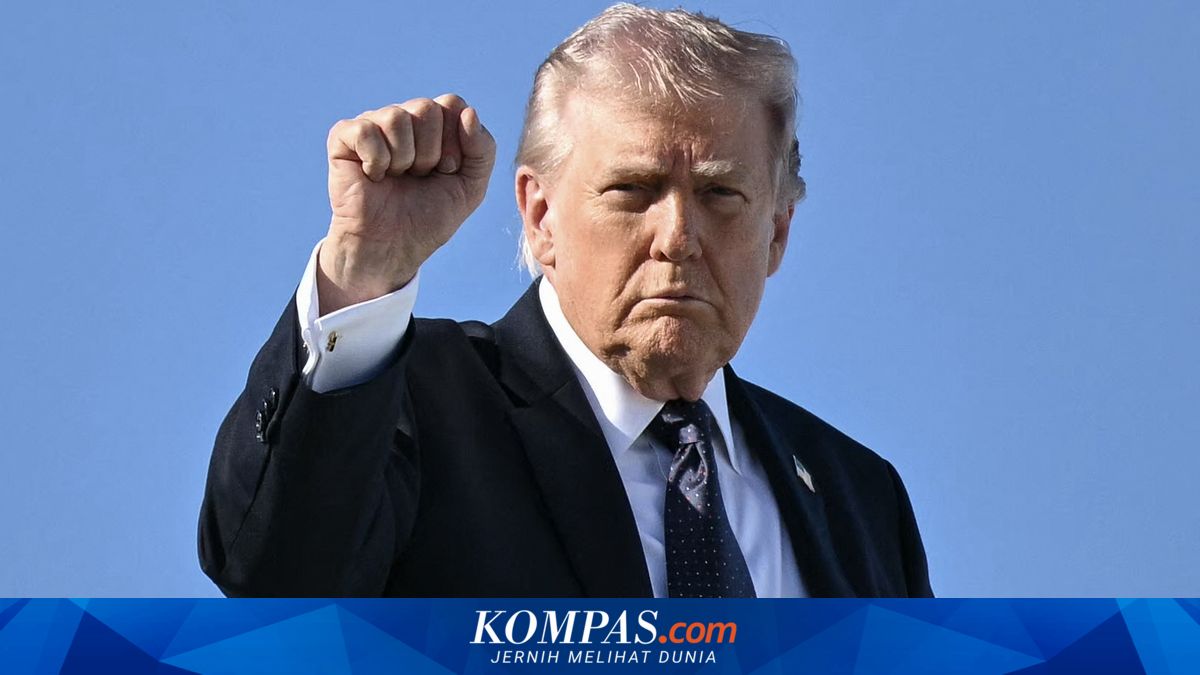
JAKARTA — US President Donald Trump has initiated an investigation into trade practices targeting 16 countries, including Indonesia.
This move has prompted questions regarding the direction of bilateral trade relations between the two countries. Indonesia and the United States had only recently reached an agreement on the Agreement on Reciprocal Trade (ART) on 19 February 2026.
Josua Pardede, chief economist at Bank Permata, assessed that the investigation does not signify that Indonesia is under pressure from the US government.
The measure indicates that rules governing bilateral trade relations can still change despite an agreement having been reached.
The ART agreement is not viewed as the final point in trade relations. Rather, it remains part of a negotiation process that can continue to evolve.
“Therefore, I do not see this as Indonesia simply being pressured, but rather Washington is changing its legal vehicle without altering its political trade objectives,” he told Kompas.com on Thursday (12 March 2026).
The investigation is being conducted using Section 301 of the Trade Act of 1974.
This provision is used to assess whether a trading partner’s trade policies are deemed unfair, discriminatory, or burdensome to US trade.
“This step indeed emerged after the US Supreme Court annulled many of Trump’s previous tariffs, whereupon the White House shifted to Section 122 to impose a temporary 10 per cent import tariff for 150 days whilst preparing a stronger new legal foundation,” he explained.
Indonesia’s inclusion in the investigation list increases the potential for further policy actions against Indonesian exports.
The formal notification from the US Trade Representative (USTR) cited Indonesia’s large goods trade surplus with the United States.
The document also highlighted potential overcapacity in Indonesia’s cement industry.
Nevertheless, the investigation does not automatically lead to the imposition of additional tariffs.
“So the current status remains a legal process and a negotiation process, not yet a final decision,” said Josua.