
US Minesweeper Crisis: Iranian Threat and Chinese Blockade
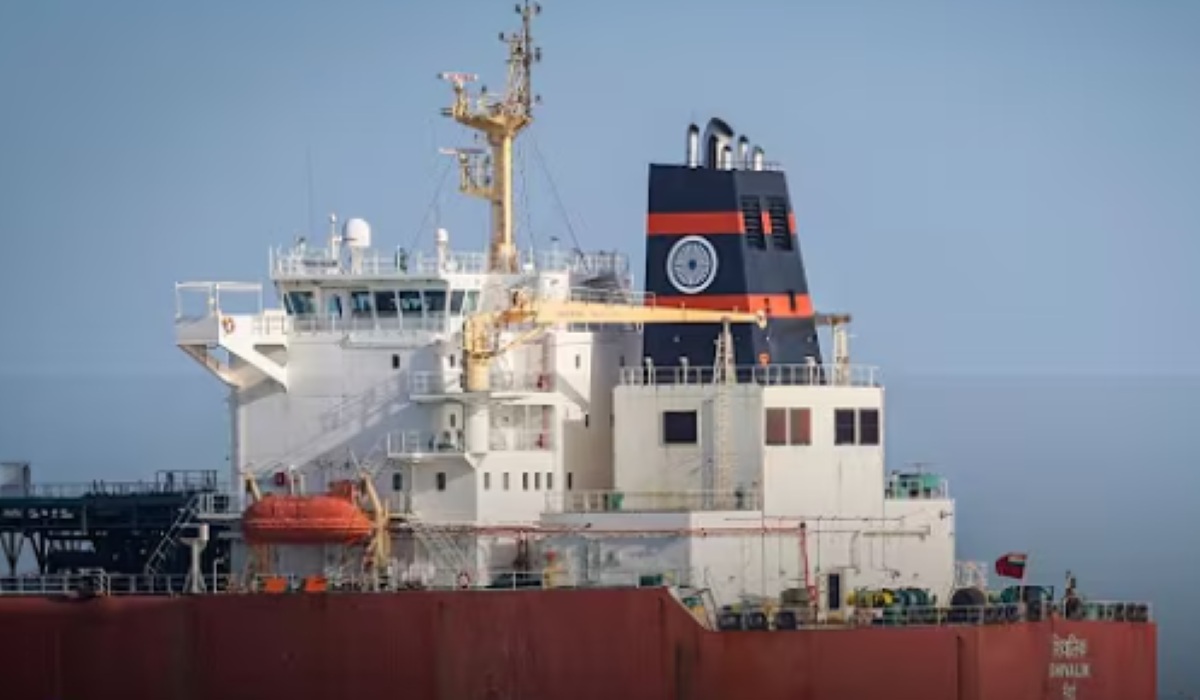
The United States is now confronting a critical maritime security gap. As tensions in the Strait of Hormuz intensify due to sea mines laid by Iran, the US Navy is retiring four specialist Avenger-class minesweeper ships to Philadelphia for decommissioning.
This move has shocked many defence analysts. After all, the US’s mine-sweeping capabilities have been neglected for decades, while threats along the world’s most vital oil trade route grow increasingly real.
Iran is reported to have sown around 10 mines in the Strait of Hormuz, a route through which one-fifth of the world’s oil supply passes. This tactic aims to raise the economic costs of war and disrupt global energy market stability.
Although the US President has pledged to reopen the route and escort oil tankers, experts doubt its effectiveness without a capable minesweeper fleet. “The US Navy has neglected mine-sweeping, and our limited number of hulls will make credible tanker escorting difficult,” said Eliot Cohen from the Center for Strategic and International Studies.
The imbalance of power in naval mine warfare has become a major focus for military strategists:
As a replacement for manned ships, the US Navy is beginning to rely on Littoral Combat Ships (LCS) and unmanned technology:
However, the challenge is that this technology is still in limited testing phases and has not been mass-produced to handle high-intensity conflicts.
The US decision to retire minesweeper assets amid rising global threats creates significant risks. While the future of maritime defence lies in drones and AI, the gap between phasing out old assets and the readiness of new technology could be exploited by adversaries such as Iran and China.