
US Military Operations Against Iran Cost Surges, Congress Worried About Weapon Stockpiles
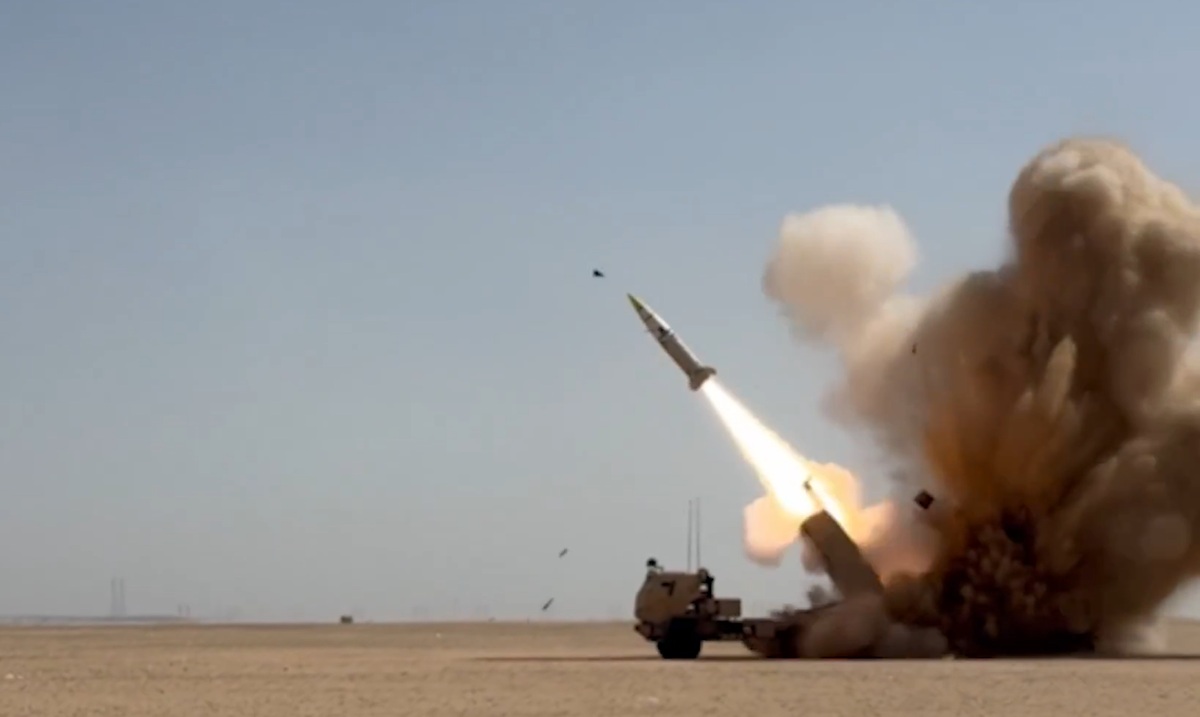
US military operations against Iran have cost approximately US$6 billion or over Rp101 trillion in the first week of conflict. The bulk of the budget has been allocated to ammunition and missile interception systems to counter Tehran’s retaliatory attacks, whilst Washington is considering additional funding to sustain operations.
These figures were disclosed during Congressional discussions this week. During the meeting, senior defence officials indicated the government would likely request supplementary budget allocations to maintain military operations whilst replenishing diminishing weapons stockpiles.
According to reports, approximately 4,000 Iranian military targets have been struck since operations began, including missile launchers, naval vessels, and air defence systems, which officials say have significantly reduced Tehran’s retaliatory capabilities.
United States Central Command (CENTCOM) Commander Brad Cooper stated that strikes launched by the United States and its allies have severely damaged Iranian military power. “Iranian ballistic missile launches have declined by 90% since the first day of fighting,” Cooper said.
He also reported significant reductions in Iranian drone attacks. “Iranian drone attacks have declined sharply, with a reduction rate reaching 83%,” he said.
Nevertheless, the Pentagon confirmed Iran still possesses substantial military capability, estimated to retain around 50% of its missile programme capacity.
The rapid escalation in war costs is now drawing serious attention in Washington. Members of Congress are expected to receive requests for additional budget allocation from the government in the coming weeks.
The substantial military expenditure has attracted scrutiny from both Democratic and Republican members of Congress. Several critics argue that the use of extremely expensive missile interception systems could burden the US defence industry.
Additionally, the rapid consumption of weapons raises concerns about potential weapons shortages in other strategically important regions.
The conflict originated from combined strikes by the United States and Israel against Iranian military targets. However, the situation escalated across the Middle East after Iran launched retaliatory attacks involving ballistic missiles and drones.
These attacks targeted US military bases, diplomatic facilities, and military personnel across various regional countries. Several Israeli cities were also targeted, forcing the US and its allies to deploy costly air defence systems to intercept incoming projectiles.