
US launches investigation into Indonesia and sixteen other nations over unfair trade practices
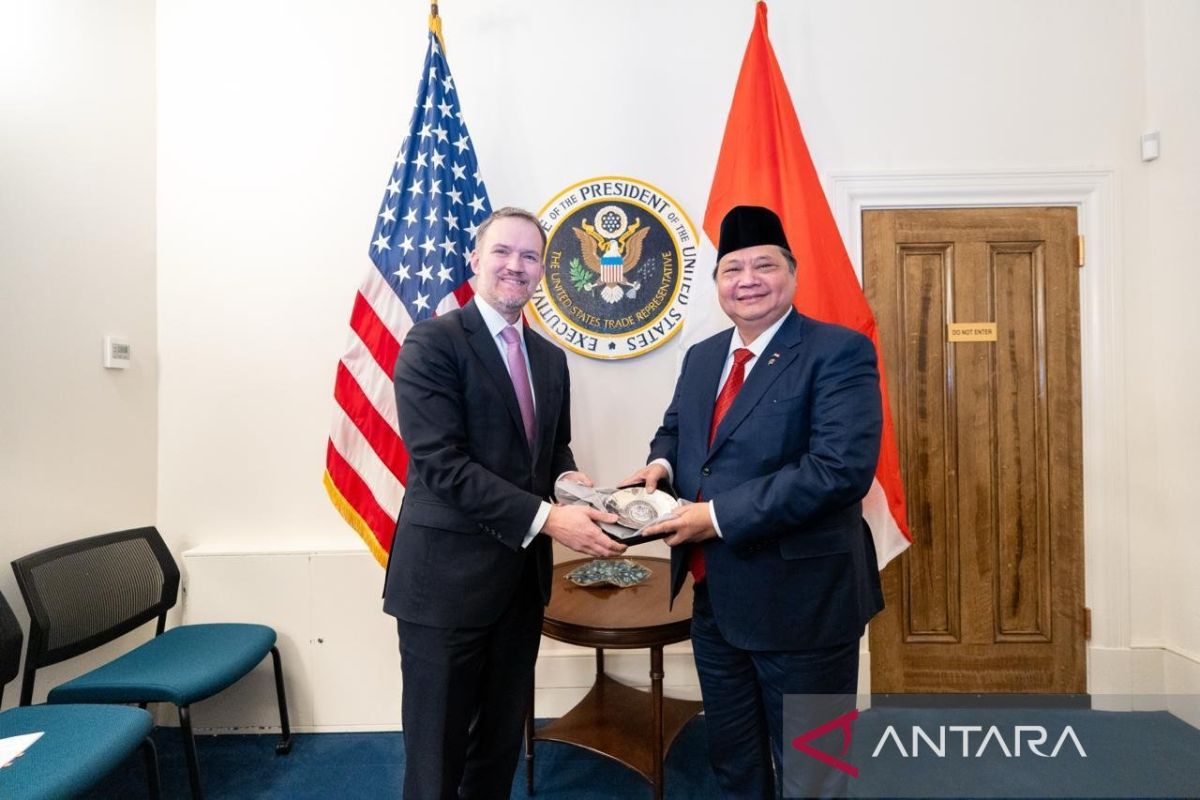
Tokyo – The US administration on Wednesday, 11 March, initiated a trade investigation into allegations of unfair trade practices against Indonesia, Japan, and a dozen other trading partners, following the US Supreme Court’s decision to strike down the administration’s previous high import tariff policy.
US Trade Representative Jamieson Greer stated that the investigation aims to uncover “a series of unfair trade practices related to excess capacity and manufacturing production” with a view to establishing new, higher import tariffs.
“Our view is that key trading partners have developed production capacity that is completely disconnected from domestic market intensity and global demand,” Greer said.
Besides Indonesia and Japan, other trading partners under investigation by the US under Section 301 of the 1974 US Trade Act include the European Union, China, Bangladesh, Cambodia, India, Malaysia, Mexico, Norway, Singapore, South Korea, Switzerland, Taiwan, Thailand, and Vietnam.
The law, which allows the US government to raise tariffs in response to alleged unfair trade practices by foreign nations, represents the approach most frequently employed by Trump during his first presidency, including against China.
After the US Supreme Court on 20 February struck down the majority of the broad tariffs imposed by Trump under the International Emergency Economic Powers Act, the Trump administration established a new global tariff of 10 per cent.
However, the 10 per cent tariff, imposed under different legal authority, can only be applied for 150 days unless the US Congress approves an extension.
Greer stated that the Trump administration is seeking to conclude the investigation as quickly as possible so that new tariffs based on Section 301 can be implemented within the 150-day window.
He indicated that the US will look for “indicators” of excess industrial capacity, visible through trade surpluses with the US and major issues in those exporting countries, such as subsidies, market access barriers, and domestic wage levels.
The agency stated it has requested consultations with the governments of each trading partner that will be investigated.
US regulations also require additional procedures, including meetings and public input, before tariffs can be imposed.
Although the US Supreme Court has struck down “reciprocal tariffs” and tariffs related to fentanyl against China, Canada, and Mexico, Greer and other US officials continue to attempt to maintain previously imposed tariffs on trading partners under different legal authority, and have also stated they will increase temporary tariff rates to 15 per cent.
Regarding Japan, that country had been subjected to a 15 per cent import tariff before the Supreme Court struck it down.
When Japan’s Minister of Industry Ryosei Akazawa met with US Trade Secretary Howard Lutnick in Washington DC last week, Akazawa requested that the US not raise import tariffs beyond the levels previously agreed upon.
Meanwhile, on Friday, Greer stated that the US is considering expanding the Section 301 investigation beyond manufacturing sectors. Sectors targeted for investigation include digital services, pharmaceutical pricing, and rice and seafood sectors.
Greer also confirmed that the US will launch a new investigation on Thursday against 60 countries to ensure they prohibit the import of products manufactured through forced labour.