
US-Israeli strikes on Iran drive up global oil prices, roil markets
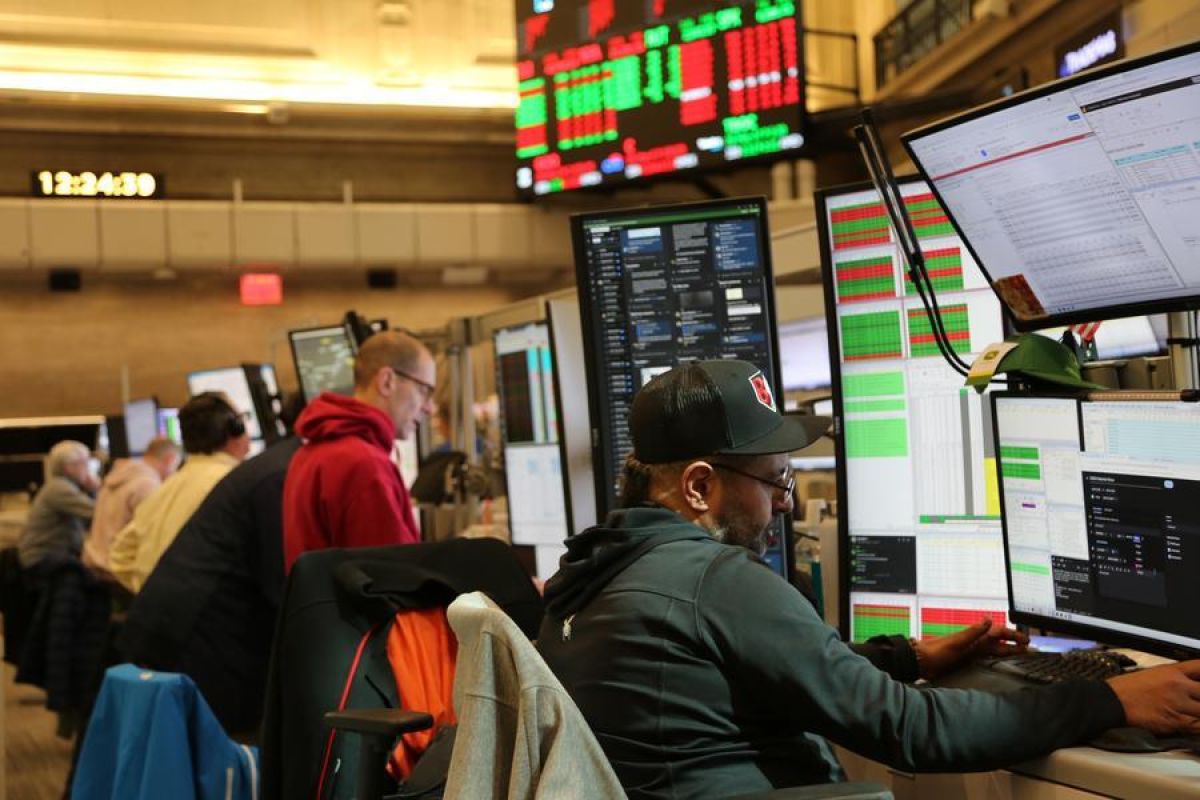
Beijing - US and Israeli military strikes against Iran have triggered sharp increases in global crude oil prices, causing shocks in equity markets and exacerbating global economic instability.
US crude oil prices surged sharply beyond the $100 per barrel threshold following the attacks, reaching their highest point since the Ukraine crisis began in 2022.
Brent crude oil traded at $114.78 per barrel, whilst US benchmark crude jumped to nearly $114 per barrel. Both showed increases exceeding 20 per cent above Friday (6 March) closing prices.
The latest price increases capped a volatile week in which US crude surged 36 per cent and Brent rose 28 per cent.
Markets reacted to escalating concerns that the ongoing US-Israeli military strikes against Iran could potentially cripple regional oil output and disrupt crucial shipping routes.
Key factors include a blockade of the Strait of Hormuz, a vital artery for global oil trade, as well as production cuts from major oil exporters including Iraq, Qatar, Kuwait, and the United Arab Emirates, due to limited storage and refining capacity.
Kuwait’s National Petroleum Company announced production reductions due to ongoing security threats and disruptions to shipping lanes.
The oil price surge triggered turmoil across global financial markets, causing major stock indices to plummet sharply. In Asia, the Tokyo Stock Exchange recorded substantial losses on Monday (9 March), with the Nikkei 225 index falling more than 7 per cent. South Korea’s equity market was also severely impacted, with the KOSPI 200 futures index declining more than 6 per cent, triggering a temporary halt to automated selling.
European markets faced similar sell-offs as panic spread across the continent, with the EUROSTOXX 50 and DAX indices both falling 3.2 per cent, whilst the FTSE futures index dropped 1.7 per cent.
In the United States, equity markets reacted with significant volatility, with the S&P 500 futures index declining 2.1 per cent and the Nasdaq futures index plummeting 2.5 per cent. Investors grew increasingly concerned that surging oil prices would trigger rising production costs and increased inflation, potentially weakening economic growth as post-pandemic recovery remains fragile.
Current market volatility underscores escalating concerns about the long-term structural damage caused by the US-Israeli strikes on Iran. Given the still-vulnerable global economic conditions, this escalation risks hampering the newly begun recovery trend and creating a domino effect with far-reaching impacts beyond the Middle East region.