
US-Israel War Against Iran Extends to Energy and Water Infrastructure
The conflict between the United States and Israel against Iran has escalated beyond military facilities to encompass critical energy and water infrastructure. Oil depots and water desalination facilities have become targets in the expanding Middle Eastern conflict.
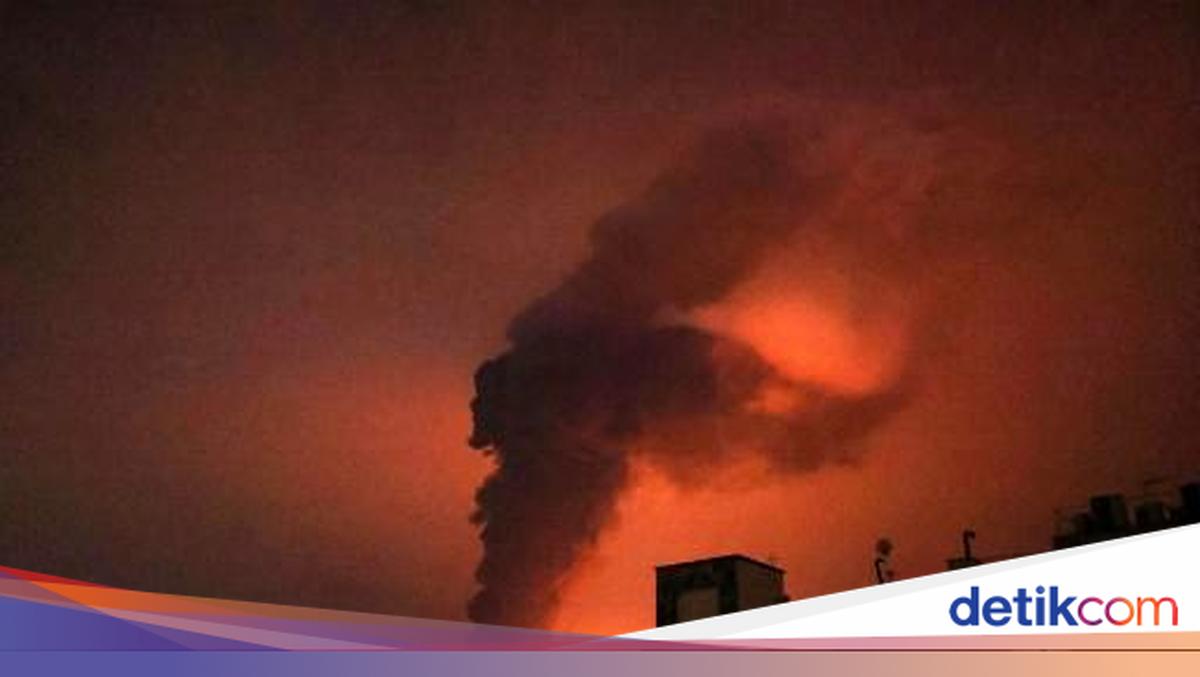
According to reports from Al Jazeera and AFP on 9 March 2026, Israeli military strikes on oil storage depots and refinery facilities in Iran triggered massive fires in Tehran. Flames were visible rising from the Iranian capital.
The Israeli military claimed responsibility for the attacks, stating that Israel had targeted oil facilities allegedly affiliated with Iran’s armed forces.
Iran’s government media outlets also reported the strikes, marking the first reported attack on the Islamic Republic’s oil infrastructure.
“We report that an oil depot south of Tehran has been targeted by the United States and the Zionist regime,” stated the official Iranian news agency IRNA.
The oil depot is located near a major oil refinery. However, the ILNA news agency reported that the refinery facility “suffered no damage from the military attack”.
Strikes also hit another oil depot in the northwestern region of Tehran, with AFP journalists witnessing flames and smoke rising from the location.
Five Oil Facility Targets
Reports indicate that five Iranian oil facilities were attacked by the US and Israel, with casualties reported.
“Last night, four oil depots and petroleum product transportation centres in Tehran and Alborz were attacked by enemy aircraft,” said Keramat Veyskarami, CEO of Iran’s National Petroleum Products Distribution Company, to Iranian state television, according to AFP on 8 March.
Damage occurred at the locations, though fires were brought under control.
“Four of our personnel, including two oil tanker truck drivers, were killed in the incident,” said Veyskarami.
He stated that the energy infrastructure facilities “suffered damage” but “fires were brought under control”.
Following the strikes, smoke from the fires engulfed the Iranian capital overnight, creating a dark haze across the city by morning. Residents reported a burning smell persisting in the air.
Veyskarami stated that Iran’s oil depots maintain “sufficient petrol reserves”.
Desalination Plant Attack
Previously, US military forces also struck a desalination plant on Qeshm Island, Iran. The facility is used to convert seawater into drinking water.
According to Al Jazeera on 7 March, Abbas Araghchi described the US action as an “overt and desperate crime”. The strike disrupted water supplies for villages in Iran.
“Water supply to 30 villages has been disrupted,” said Araghchi.
“Attacking Iran’s infrastructure is a dangerous step with serious consequences. It is the US that has set this precedent, not Iran,” he added.
Iran responded by targeting a US military base in Bahrain. Bahrain’s Interior Ministry stated that air raid sirens sounded and urged residents to remain calm and seek shelter.
Meanwhile, Bahrain’s Interior Ministry reported that Iranian drone strikes also damaged a desalination plant. Some residents were injured by debris from Iranian missiles that fell in Bahrain.
“Iran’s indiscriminate attacks targeted civilian sites and caused material damage to a desalination plant following the strike by drones,” said Bahrain’s Interior Ministry in a statement, according to AFP.
Iran carried out the strike after Tehran previously accused the US of attacking one of its own desalination plants from a base in Bahrain.
Bahrain also reported three people injured from debris of Iranian missiles. The missile debris damaged a university building in the Muharraq area of Bahrain.
“As a result of Iran’s overt aggression, three people were injured and material damage occurred to a university building in the Muharraq area following missile debris falling,” the ministry stated, referring to an island district northwest of Manama.