
US-Israel Tensions with Iran: Global Energy Prices and Logistics Costs Under Pressure
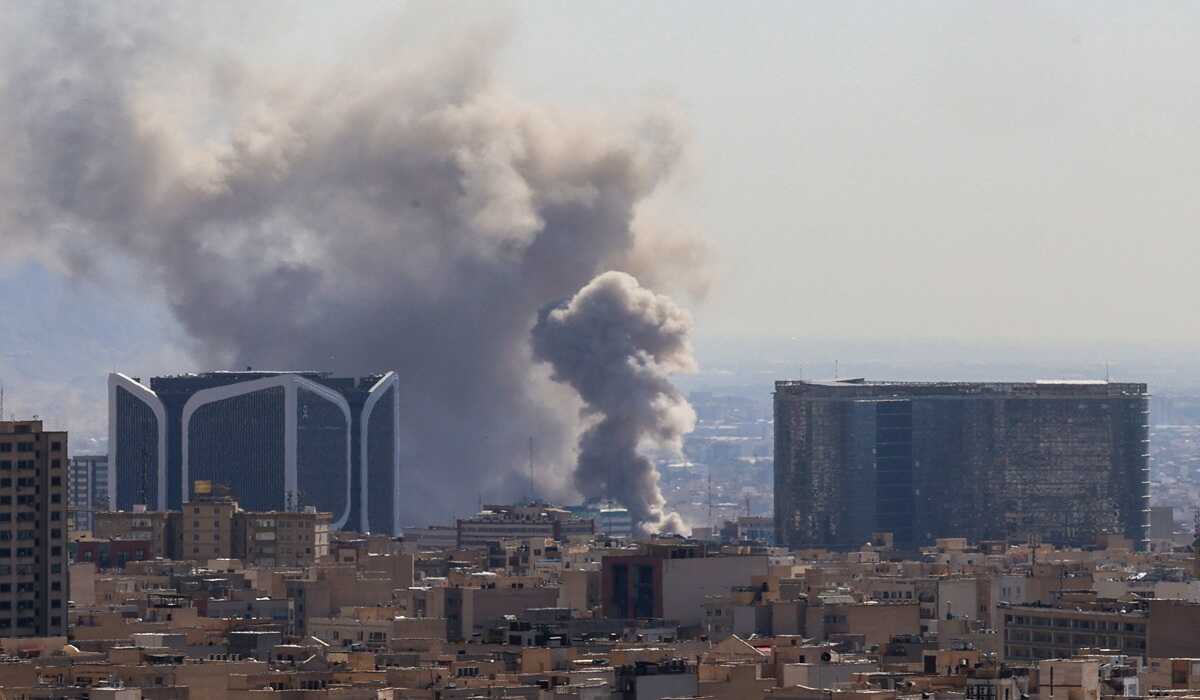
Military operations by the United States and Israel against Iran, triggering further retaliation, are beginning to threaten global economic stability. The escalation of conflict in the Middle East is predicted to disrupt global supply chain distribution routes and drive significant increases in energy commodity prices.
Yukki Nugrahawan Hanafi, Advisory Board Chairman of CILT Indonesia and Chair of ALFI’s Steering Board, has warned that major combat operations involving the US, Israel, and Iran threaten global political and economic stability. According to him, the logistics and supply chain sectors will certainly be disrupted if peace does not materialise quickly in the region.
“This escalation of conflict has directly drawn global attention to disruptions in global logistics supply chains that could pressure the economies of many countries. Particularly as Iran’s retaliation is currently implementing a blockade of the Strait of Hormuz, which is the primary oil and gas distribution route from the Middle East to various countries,” Yukki stated.
Data as of Saturday (28 February) shows the direct impact of this tension, with WTI crude oil prices reaching US$67 per barrel and Brent reaching US$72.80 per barrel.
The blockade of the Strait of Hormuz is a critical pressure point, as this route is the lifeline for six major oil-exporting countries: Saudi Arabia, Iraq, the United Arab Emirates, Kuwait, Qatar, and Iran itself.
If disruptions continue, oil import disruptions will hit major consumer nations in Asia, including India, China, Japan, and Southeast Asia.
This situation is feared to trigger energy inflation, suppress consumer purchasing power, and hinder the anticipated global interest rate reduction trend that the market eagerly awaits.
For Indonesia, Yukki identifies two short-term impacts that the government should monitor: potential fuel price increases and disruptions to logistics and supply chains. These two issues need to become the focus of the Indonesian government’s attention in order to promptly calculate readiness in facing various continuation scenarios from this conflict if it extends,” Yukki emphasised.
He also hopes that stability in the Middle East region can be quickly restored to preserve global economic growth, which has previously been pressured by dynamics of global trade tariffs throughout 2025.
Former Vice President Jusuf Kalla has assessed that US and Israeli attacks on Iran will drive up world oil prices, with consequences for Indonesia including fuel price increases. Meanwhile, DPR member Selly Andriany Gantina has called on the government to prepare repatriation schemes for Indonesian Umrah pilgrims amid the conflict between Iran, the United States, and Israel in the Middle East.