
US-Israel Strike Iran Ruthlessly, Here's the Economic Impact
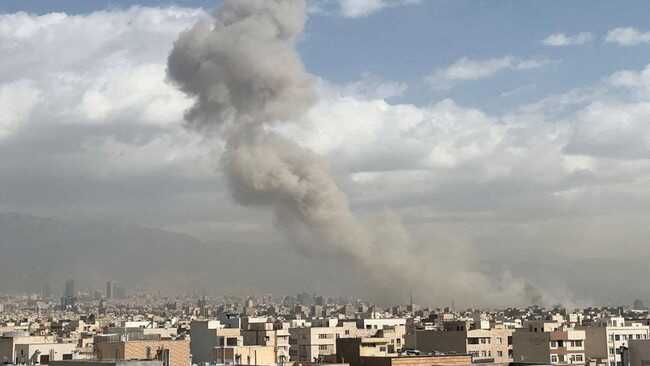
Geopolitical tensions in the Middle East have experienced significant escalation, involving the United States, Israel, and Iran. Military operations targeting various strategic facilities in Iran have triggered serious concerns about global economic stability, particularly regarding potential disruptions to crude oil supplies that risk pushing global energy prices to their highest levels in recent years.
The Israeli government previously formally confirmed the execution of a large-scale military operation codenamed “Rising Lion”. Israeli Prime Minister Benjamin Netanyahu stated that the operation was intended to prevent Iran from developing nuclear weapons, targeting scientists, ballistic missile programmes, and uranium enrichment facilities in Natanz. Israeli military officials claim that Iran possesses sufficient material to produce up to 15 nuclear bombs within days. In response, senior Iranian authorities are reportedly conducting high-level security meetings, creating a tense atmosphere across major cities in the country.
Iran’s Position as a Global Energy Giant
Despite its industrial sector having faced years of pressure from US sanctions, Iran remains crucial to the global economic and energy landscape. The country has the fourth-largest oil reserves and the second-largest natural gas reserves in the world.
Iran’s current oil industry infrastructure is considered significantly better compared to other heavily sanctioned nations such as Venezuela. According to the Organisation of the Petroleum Exporting Countries (OPEC), Iran’s current crude oil production stands at approximately 3.1 million barrels per day. Whilst this represents a significant decline from the 1974 era—when Iran produced six million barrels daily and ranked third globally—the current volume still represents a massive figure.
One of Iran’s main competitive advantages is its extremely efficient crude oil extraction cost of approximately US$10 per barrel. By comparison, major Western producers such as the United States and Canada typically face much higher production costs, ranging between US$40 and US$60 per barrel. This wide operational margin gives Iran proportionally substantial profits when global oil prices rise.
The Threat of Strait of Hormuz Blockade
The most fundamental risk to global oil markets currently rests on the potential blockade of the Strait of Hormuz by Iranian authorities. This waterway is the main artery for oil shipments connecting Middle Eastern producers with international markets.
According to data from the US Energy Information Administration (EIA), approximately 20 million barrels of crude oil pass through this strait daily in 2024, representing nearly 20 per cent of total global liquid oil consumption. The Strait of Hormuz has high geographical vulnerability, with a width of only approximately 50 kilometres and maximum depth not exceeding 60 metres.
Global risk analysts warn that mere speculation about transit security in this route is sufficient to prompt insurance companies to dramatically increase marine transport premiums, which ultimately burdens global oil price structures. Currently, alternative distribution routes are extremely limited. According to EIA data, only Saudi Arabia and the United Arab Emirates possess adequate alternative pipeline infrastructure, though their maximum operational capacity is limited to 2.6 million barrels per day.
Regional Economic Impact and Global Inflation Threat
The structural impact of this escalation could also affect Iran’s neighbouring countries. The presence of US military bases in several Gulf region nations places them in a vulnerable position regarding potential instability. At-risk civilian infrastructure includes hydrocarbon centres, power plants, and seawater desalination facilities.
Meanwhile, continued implementation of further sanctions policies from Washington continues to constrain Iran’s export options. Currently, Iran exports between 1.3 and 1.5 million barrels per day, with more than 80 per cent of this total volume absorbed by independent refineries in China.
Continued conflict escalation carries systemic risks for macroeconomic conditions. Should supply disruptions drive crude oil prices to breach the US$100 per barrel level for the first time since early 2022, the global economy could face a new wave of inflation. This situation would not only compress purchasing power for the general population, but could also influence monetary policy direction at central banks in various developed nations.