
US–Israel–Iran War Paralyses Oil Route as Kuwait Cuts Production
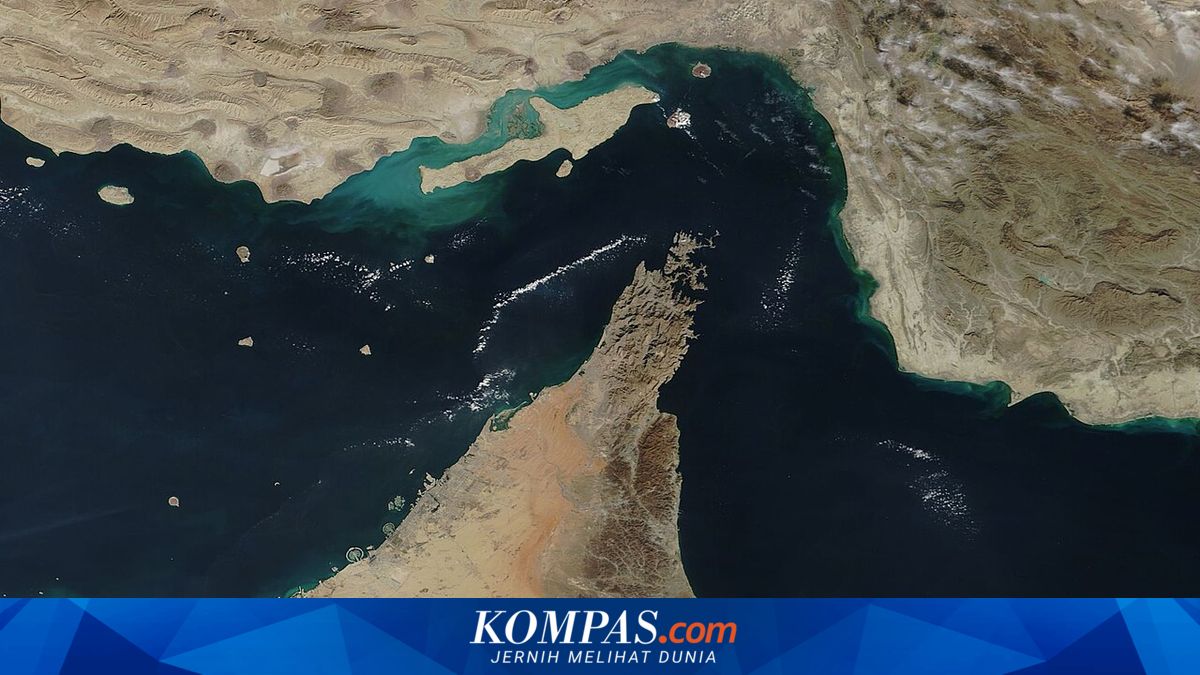
Kuwait on Saturday, 7 March 2026, announced cuts to oil production and refinery output because tanker ships could not pass through the Strait of Hormuz due to threats of attacks from Iran. According to CNBC, on Sunday, 8 March 2026, the Arab monarchy did not specify how many barrels per day were cut, but described the production decline as a precautionary measure to be reviewed as the situation develops. Kuwait is the fifth-largest oil producer in OPEC, producing around 2.6 million barrels per day in January 2026. The state-owned Kuwait Petroleum Corporation said it remained fully prepared to restore production levels as conditions allowed. Gulf oil producers such as Kuwait export their oil through the strait. The narrow waterway is the only entry and exit to the Persian Gulf. Around 20% of global oil consumption is exported via this strait. Oil supplies were piling up in the Middle East with tankers not operating. Gulf Arab states were forced to cut production as their storage capacity ran out. An Iraqi official told Reuters on Tuesday, 3 March 2026, that it had cut production by 1.5 million barrels per day due to lack of storage space. “The market is shifting from merely pricing in geopolitical risk to facing real operational disruptions,” Natasha Kaneva, head of global commodities research at JPMorgan, told clients in a note on Friday, 6 March 2026. Last week Kaneva projected that Gulf Arab states would exhaust storage capacity and halt oil production if the US–Iran war lasts more than three weeks. This could push the global Brent benchmark price above $100 per barrel. Meanwhile JPMorgan estimated that production cuts could exceed 4 million barrels per day by the end of next weekend if the Strait of Hormuz remains closed. On Friday, crude oil posted the largest weekly gains in futures trading history. Brent futures rose 8.52% or $7.28 to close at $92.69 per barrel. West Texas Intermediate futures rose 12.21% or $9.89 to close at $90.90 per barrel. US crude surged 35.63%, the largest weekly gain in futures contract history since 1983. Brent jumped 28%, the biggest weekly gain since April 2020. The Iran war is also disrupting global natural gas supplies. Qatar halted the production of liquefied natural gas (LNG) on Monday due to the Iranian attacks. About 20% of world LNG exports come from Qatar. LNG is LNG; it’s natural gas cooled to a liquid so it can be loaded onto tankers and exported worldwide. Natural gas is used for electricity generation and home heating.