
US–Israel–Iran tensions worry SMF over Indonesia's housing subsidies and the economy
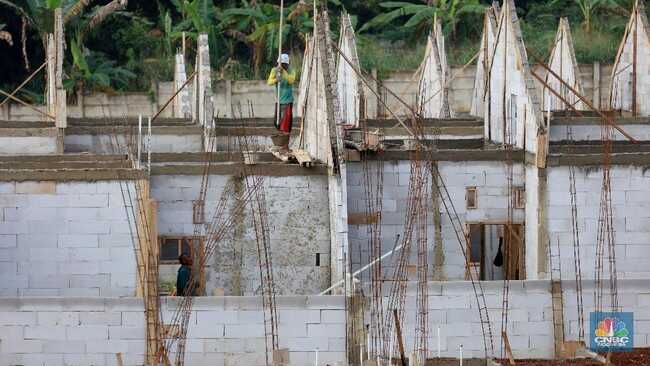
Jakarta, CNBC Indonesia - Geopolitical tensions in the Middle East are starting to spark new concerns for the domestic real sector. The tensions involving the United States, Iran and Israel are seen as potentially worsening pressure on the global economy, including Indonesia.
Chief Economist of PT Sarana Multigriya Finansial (SMF), Martin Daniel Siyaranamual, said that the warming global situation makes the 2026 prospects no longer as rosy as imagined, particularly for the housing sector and downstream industries.
“2026 is not a year of sunshine and rainbows for the housing sector. The implications are obvious: PT SMF will have to work harder, and do so more effectively, to meet the mandate entrusted to it,” he said at SMF’s press conference at Artotel, Wednesday (4/3/2026).
He believes that even without the latest escalation, the global economy slowdown had already been evident since late 2025. Developing countries are relatively better off than developed nations, but pressures remain.
“Indonesia is among those still growing at around 5 percent. But the question is, is 5 percent enough to lift Indonesia out of the middle-income countries? The answer is not enough,” he stressed.
The Middle East conflict has a direct impact on global energy prices. The region is one of the world’s energy production hubs, including natural gas and crude oil.
“Iran is one of the major exporters of natural gas. It is the closest substitute for crude oil and coal. In other words, oil prices are bound to rise. As of today they have touched $90 to $92 per barrel, and I would not be surprised if they reach $100 to $120 per barrel,” he said.
A spike in oil prices would squeeze the government’s fiscal space. The burden of energy subsidies could rise significantly amid the financing needs of other priority programs.
“The implications are clear: subsidy burdens rise. This means fiscal capacity will become more constrained. It remains to be seen whether housing gets higher priority or not,” he added.
For the real sector, especially manufacturing and property, the pressure could cascade. When subsidies swell or energy prices are liberalised to market levels, both purchasing power and production costs are pressed.
Martin assessed that the government faces a difficult choice between widening the deficit or letting inflation rise due to energy price adjustments.
“The government’s only two options are to add energy subsidies or let prices rise. Each comes with economic and social costs,” he said.
If fiscal pressures intensify and household consumption weakens, the housing sector will be among the most affected due to its sensitivity to income and interest rates.
“If the real sector is hit and unemployment rises, forget talking about housing. People will be thinking about how to eat today,” Martin said.