
US-Israel-Iran Conflict Threatens Global Supply Chain and Indonesian Economy
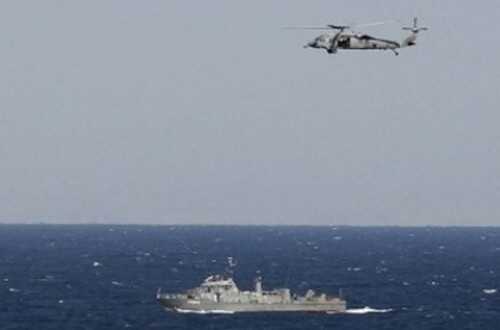
JAKARTA — Military operations conducted by the United States and Israel against Iran, coupled with further Iranian retaliation, pose a significant threat to global supply chain distribution routes and could drive up energy commodity prices. Should the escalation widen to involve other major powers, the situation could destabilise the global economy.
Yukki Nugrahawan Hanafi, Advisory Council Member of CILT Indonesia and Chairman of the ALFI Governing Board, warned that major combat operations by the US and Israel against Iran threaten world political and economic stability. From a logistics and global supply chain perspective, disruptions are certain to occur unless peace in the Middle East is established swiftly.
“This escalation in conflict directly triggers concerns over disruptions to global logistics supply chains that could suppress the economies of many nations. Moreover, Iran’s retaliation is currently implementing a blockade at the Strait of Hormuz, which serves as the primary distribution route for oil and gas from the Middle East to various countries,” stated Yukki in a written statement on Sunday, 1 March 2026.
The immediate impact of military strikes in the Middle East is evident in the rising prices of WTI and Brent crude oil, which reached 67 US dollars and 72.8 US dollars respectively on Saturday, 28 February.
At least six major oil-exporting nations would be directly affected by distribution disruptions if Iran uses the Strait of Hormuz as part of military operations: Saudi Arabia, Iraq, the United Arab Emirates, Kuwait, Qatar, and Iran itself. Conversely, importing nations such as India, China, Japan, and the Southeast Asian region also face potential impacts due to supply disruptions from these countries.
Yukki assessed that the escalation of Middle East conflict would drive energy price inflation higher, suppress consumer purchasing power, slow global interest rate reductions, weaken market confidence, and erode fiscal resilience across various nations.
“Throughout 2025, the global economy has already faced considerable pressure, particularly from the shock of US trade tariffs. Should this conflict persist, economic growth weakness across various countries could occur due to rising energy prices and logistics costs,” he said.