
US–Israel–Iran Conflict Heats Up, Indonesian Parliament Warns of Energy Crisis Threat and National Fiscal Burden
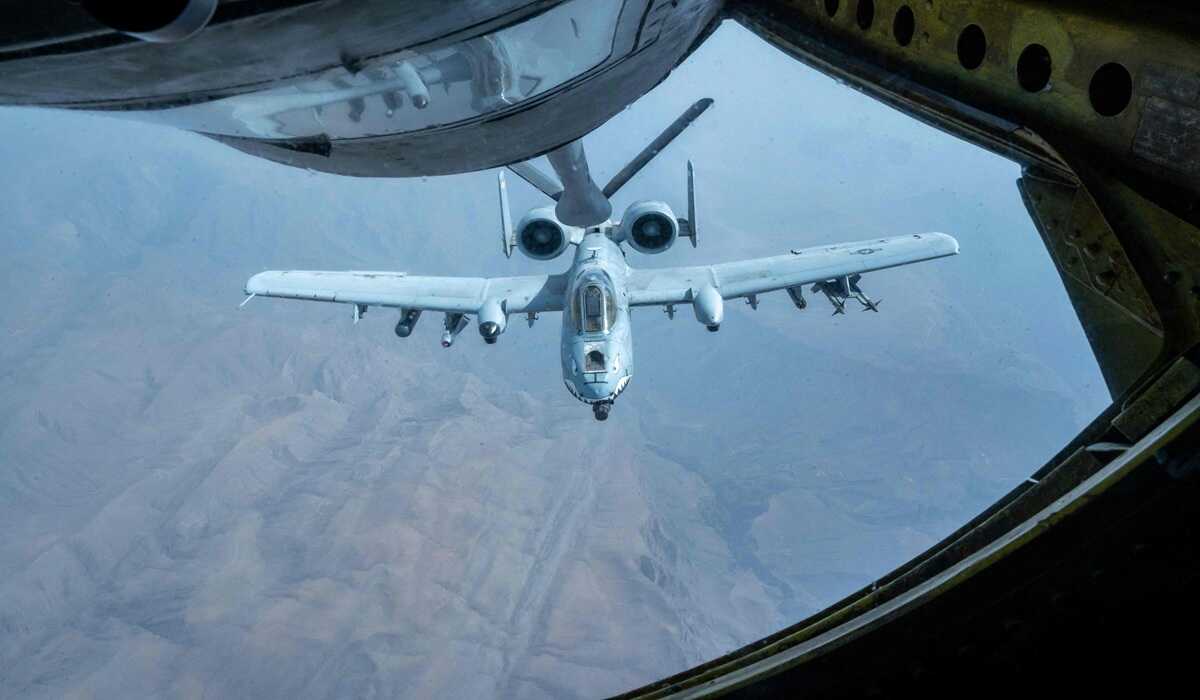
Member of the Indonesian Parliament’s Commission I, Amelia Anggraini, warned the government that the United States–Israel attack on Iran risks escalating the conflict in the Middle East. The open confrontation between the two regional powers is seen as having an impact on Indonesia’s economy, particularly the energy sector and the Rupiah’s exchange rate. Amelia emphasised that this confrontation could drag other global actors into it if not promptly damped through international diplomatic channels. ‘This escalation is not only a regional issue but could also widen the spectrum of a global crisis. Indonesia must play an active role in pushing for de-escalation to prevent the conflict from spreading,’ Amelia said in a written statement on Wednesday (4 March 2026). A legislator from the NasDem faction reminded that Indonesia is highly vulnerable to shocks in the Strait of Hormuz as the world’s energy artery. A spike in crude oil prices would be expected to burden the state treasury. Based on data from the Ministry of Energy and Mineral Resources in 2025, about 30.39 percent of crude oil needs for the national fuel refineries are still dependent on imports. ‘An increase in energy prices will have direct implications for the state’s fiscal burden, inflationary pressures, and rising costs of production and distribution of goods domestically,’ she said. In addition to economic factors, Amelia highlighted the importance of protecting Indonesians (WNI) in affected areas. She urged the government to promptly prepare mitigation measures and rapid diplomatic responses if the situation worsens. To safeguard national resilience, Amelia urged the government to secure logistics routes to ensure Indonesia’s energy supply chain along maritime routes remains secure. She also called on the government to strengthen cross-ministerial coordination to seek alternative energy sources to reduce dependence on imports from conflict zones. Finally, she asked the government to ensure economic stability by providing a cushion to maintain the Rupiah’s exchange rate and investment flows amid global uncertainty. Internationally, Amelia urged the Foreign Ministry to press the United Nations Security Council to actively mediate. She argued that a ceasefire should be reached soon before the escalation develops into a more destructive regional war. ‘The UN Security Council has a mandate to maintain international peace. Firm and collective diplomatic steps are crucial at this time,’ she concluded.