
US-Israel-Iran Conflict: A Test for Indonesia's Non-Aligned Foreign Policy
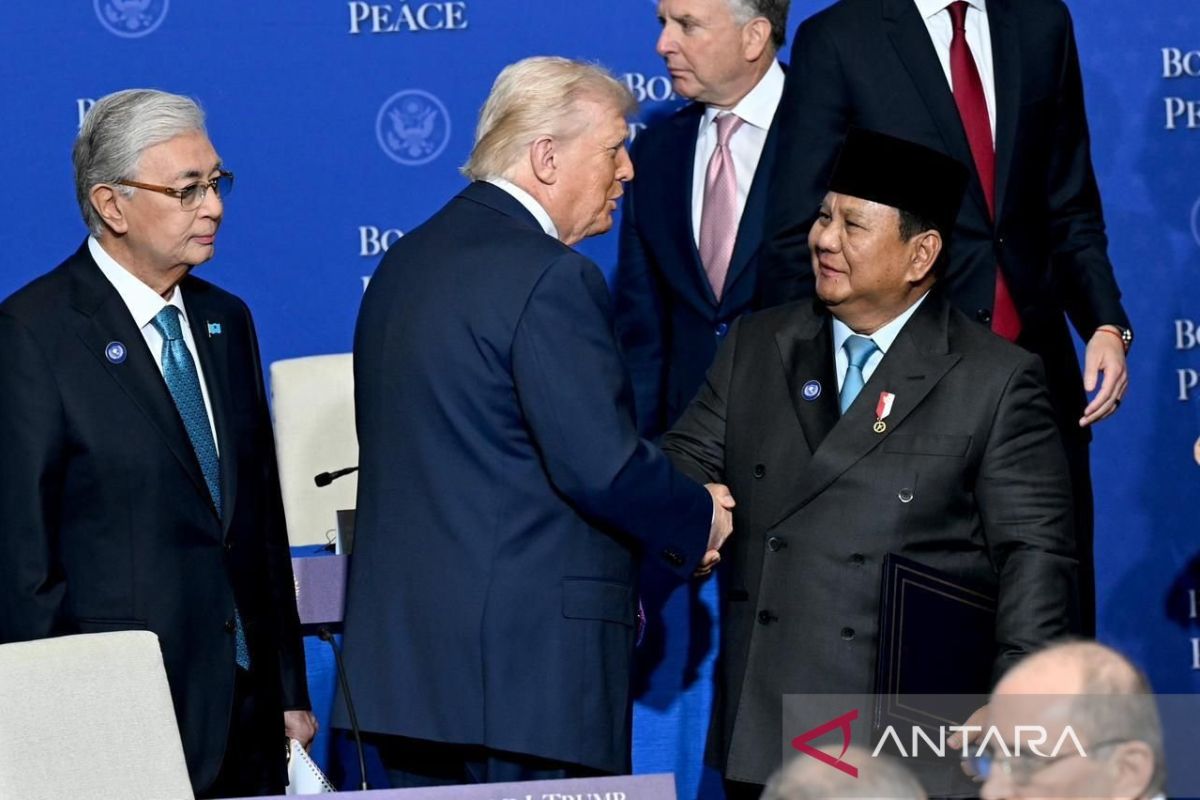
Maintaining Indonesia’s reputation as a non-aligned nation during wartime is an unending task demanding constant vigilance and the conviction that the middle path—though unpopular—is the most dignified course for Indonesia to pursue.
Indonesia’s principle of independent and active foreign policy, practiced since the era of President Sukarno, provides a strong foundation for the nation to engage in peace diplomacy without becoming trapped in polarisation between global power blocs.
This track record is reinforced by Indonesia’s active participation in various multilateral forums, including the Association of Southeast Asian Nations (ASEAN), the Organisation of Islamic Cooperation (OIC), and the Non-Aligned Movement (NAM). Indonesia has also consistently advocated for the interests of Global South nations.
As the world’s largest Muslim-majority nation and the world’s third-largest democracy, Indonesia possesses a unique asset unavailable to many other countries: the trust of the Islamic world whilst maintaining open channels of communication with the West.
Indonesia can leverage this strategic position to serve as a mediator in the conflict involving the United States, Israel, and Iran.
This explains why, when Israel, supported by the US, launched attacks on Iran on 28 February and Iran retaliated by striking US military bases in the Middle East, Indonesia stated that President Prabowo Subianto was willing to facilitate dialogue and travel to Tehran for mediation.
International relations expert from Padjadjaran University, Teuku Rezasyah, assessed that Indonesia’s prospects of playing a mediator role are quite realistic because all conflicting parties need a respectable way out or “exit strategy” that preserves the dignity of each side.
According to Reza, Indonesia’s opportunity to fulfil a mediator role is substantial given President Prabowo Subianto’s international prominence and standing.
However, the path to the negotiating table is not smooth. US President Donald Trump has stated that the United States will not sign any agreement with Iran and will not accept anything short of “unconditional surrender”.
Iran’s Foreign Minister Abbas Araghchi has rejected the US demands and emphasised that Iran will continue to defend itself.