
US-Iran War Triggers Largest Oil Supply Disruption in History; Bahlil Accelerates Renewable Energy Transition
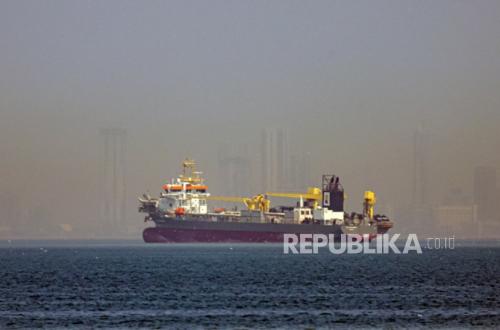
JAKARTA — Conflict in the Middle East has created the largest supply disruption in the history of the oil market. The International Energy Agency (IEA) on Thursday, 12 March 2026, reported that approximately 20 million barrels per day of crude oil and refined products flowing through the Strait of Hormuz have collapsed.
With limited capacity available to transit this critical waterway and storage already at full capacity, Gulf nations have reduced their combined oil production by at least 10 million barrels per day, according to the IEA in its monthly oil market report.
“Without rapid recovery of shipping flows, supply losses are estimated to increase further,” the agency stated, announcing on Wednesday the largest coordinated emergency release of strategic oil reserves ever undertaken, totalling 400 million barrels from reserves.
Just last week, IEA Executive Director Fatih Birol stated that the agency still possessed substantial oil stocks. However, it is now coordinating the largest emergency strategic oil reserve release since its establishment in the 1970s during the Arab oil embargo.
Following the Middle East conflict, global oil supply is estimated to have collapsed by 8 million barrels per day in March. The reduction in Middle Eastern production has been partially offset by increased output from non-OPEC+ producers, Kazakhstan, and Russia, the agency noted.
Emergency stock releases will not be able to fully compensate for prolonged supply losses, it added. “The coordinated emergency stock release provides a significant buffer and is welcomed, but without swift conflict resolution, it remains a temporary measure,” Birol said, according to Oilprice.com, Friday, 13 March 2026.
“The ultimate impact on the oil and gas market and broader economy from the conflict depends not only on the intensity of military strikes and damage to energy assets, but also, most importantly, on the duration of disruption to shipping through the Strait of Hormuz,” he stated.