
US–Iran War Threatens Global Automotive Industry, Toyota and Chery Affected
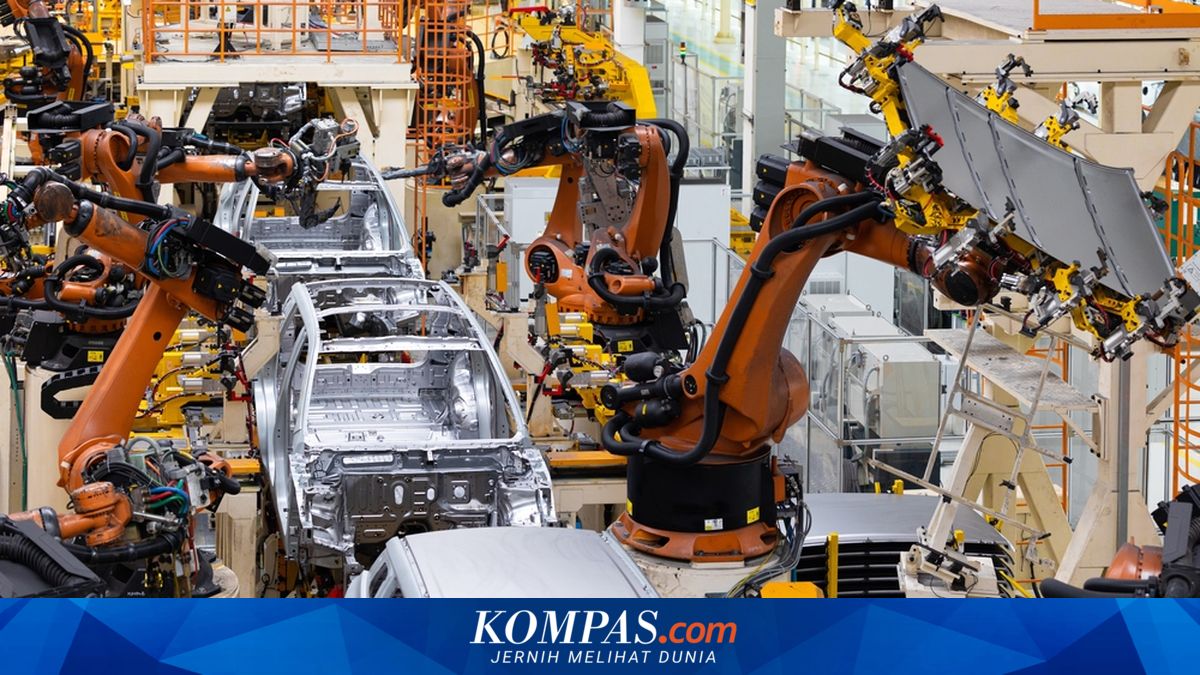
Toyota Motor Corporation, Hyundai Motor Company, and Chinese carmakers such as Chery Automobile are expected to be among the international automakers most affected by the conflict between the United States and Iran.
According to Bernstein’s analysis, the three international automakers account for around one-third of total vehicle sales in the Middle East, with the largest shares held by Toyota at 17 percent, Hyundai at 10 percent, and Chery at 5 percent.
In Iran itself, Bernstein notes that local manufacturers such as Iran Khodro and SAIPA lead the market, followed by Chery with a share of around 6 percent.
Based on China’s export data cited by Bernstein, the region accounted for around 17 percent of total Chinese passenger-car exports in 2025.
The report also notes that in addition to impacting vehicle sales in the region, the closure of the Hormuz Strait—connecting the Persian Gulf with the Oman Sea and the Indian Ocean—together with rising oil prices, would have ripple effects on the global automotive industry.
‘The closure of the Hormuz Strait could add 10 to 14 days to delivery times,’ said Bernstein analyst Eunice Lee, citing CNBC, on Saturday (7 March 2026).
Consulting firm AlixPartners notes that around 20 million barrels of crude oil pass through the strait each day.
Moreover, the route is also a crucial channel for the shipment of vehicles and spare parts to the Middle East.
Bernstein notes that the impact on Japanese automakers remains relatively limited for now, though developments must be watched closely.
‘The impact of higher gasoline prices is already evident from an 11 percent drop in Stellantis’s shares since last Friday’s close,’ Lee said.
She added that a company strategy that refocuses on large-capacity HEMI V8 engines and scales back electrification efforts would be ill-timed amid rising fuel prices.
US crude oil prices had surpassed $90 per barrel on Friday (6 March 2026), while the average price of petrol in the United States rose by almost 27 cents in a week to $3.25 per gallon, according to data from the AAA motorist association.
Stellantis added that it has not yet been able to fully assess potential impacts on its local operations.
Separately, Toyota, in a statement via email, said the company does not operate in Iran and has no permanent employees in the country. Toyota also said it would continue to monitor the situation and prioritise the safety of its employees in the Middle East and other stakeholders.
Hyundai and Chery had not responded to requests for comment on the situation.