
US-Iran War: Khamenei's Death and the Infinite Game
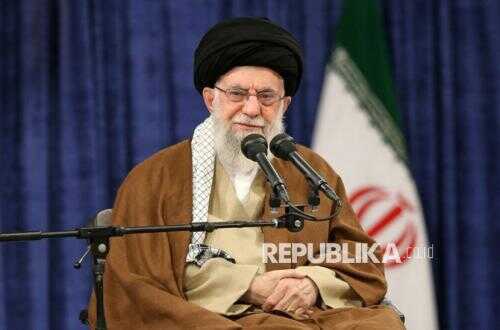
The Day After! A meaningful phrase—the day after—becomes significant in the context of Ayatollah Ali Khamenei’s (Iran’s highest spiritual leader) being killed by the US and Israel.
What will happen in “The Day After” following Khamenei’s death? Associating it with the narrative of NATO versus the Warsaw Pact from the 1983 ABC television series is neither symmetrical nor entirely congruent. However, Iran represents the “final link” in the neo-Warsaw Pact (imagining Russia, China, and North Korea), the communist bloc in the Middle East.
Iran has become the subject of inclusive attention, much like The Day After, which was watched by 100 million pairs of eyes in the United States. The conflict between NATO (the US-Western Bloc) and the Warsaw Pact (the Communist-Eastern Bloc) is an unfinished spectacle, not merely concluded by Khamenei’s death.
Propaganda acts like a “cheerleader” as described by pro-US media outlets (The Guardian, Jerusalem Post, Washington Post). There is purported rejoicing among the Iranian people following Khamenei’s assassination—a claim that is both sceptical and provocative.
Ayatollah Ali Khamenei was the only Iranian President from the clerical establishment from 1981 to 1989 (before succeeding Ayatollah Ruhollah Khomeini). He maintained a devoted following among the Iranian people. He became a cleric at age eleven, and Khamenei was an accomplished orator whom Khomeini entrusted to lead Friday prayers in Tehran. Firm in his convictions, Khomeini prepared Khamenei for leadership since his exile in Le Chateu, France.
The Day After. Propaganda from the mass media and statements by Donald Trump or Benjamin Netanyahu seem to suggest that Iran’s crisis will soon end with Khamenei’s death. Yet Iran’s crisis will be far from over. Khamenei’s death represents merely a minor test for the Iranian people. It humiliates the people of Iran, where the leader of 90 million people has been “murdered” by foreign hands. It strikes at the psychological core of a sovereign nation-state.
Indicators suggest the attack represents recklessness that resonates widely. The Sunday Times has even suggested that Trump is uncertain about his actions, urging the Iranian people to seize power immediately.
The question remains: why does the United States not simply descend upon Tehran itself? Deploy infantry forces, as it did when capturing Venezuelan President Nicolás Maduro or Panamanian President Manuel Noriega in 1989, thereby ensuring the definitive end of Khamenei’s regime?