
US-Iran War Greatly Impacts China, Xi Jinping Takes This Step
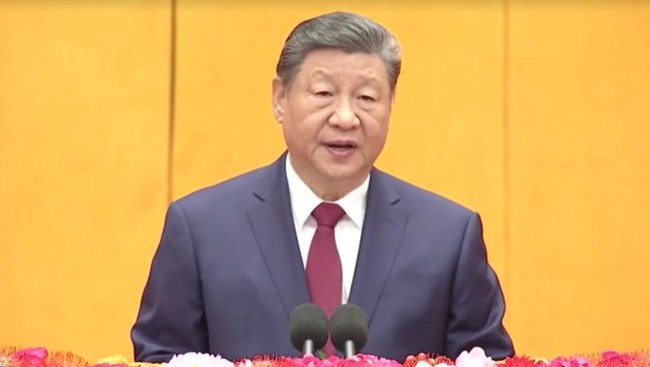
Jakarta, CNBC Indonesia - Chinese President Xi Jinping has officially called for accelerating the planning and construction of new energy systems to protect the country’s energy security. This strategic move comes just a few weeks after the outbreak of the Iran war, which has triggered global energy shocks.
The world’s second-largest economy leader also stressed the importance of developing hydropower plants and ecological protection. Citing a report from state media CCTV, President Xi urged the safe and orderly expansion of nuclear power to strengthen national resilience.
“The Party Central Committee has gained a deep understanding of global energy development trends and made major decisions to advance the new energy security strategy in depth,” Xi Jinping emphasised, referring to the ruling Communist Party’s central authority, as quoted on Tuesday (7/4/2026).
Although Xi did not directly mention the war in his speech quoted by CCTV, the current geopolitical situation is heating up. The United States and Iran are reportedly considering a Pakistan-mediated plan to end the conflict that has lasted five weeks, though Tehran still rejects pressure to immediately reopen the Strait of Hormuz.
Analysts assess that China is in a relatively better position to absorb the rise in global oil prices. This is because coal still contributes more than half of its energy mix, plus China has abundant oil reserves and imports via the Strait of Hormuz only account for about 5% of its total energy consumption.
“The path we have taken by being the first to develop wind and solar power has now proven visionary. At the same time, coal-fired power plants remain the foundation of our energy system and must continue to play a supporting role,” Xi said.
Currently, China operates more than half of the world’s coal-fired power capacity, making it the largest carbon emitter, which often draws criticism from Western-led climate initiatives. While accelerating the transition to renewable energy, the Bamboo Curtain country still positions coal as the backbone of reliability and a flexible reserve system.
While emphasising coal’s vital role in the national energy mix, President Xi affirmed that China, as the world’s largest coal consumer, must remain committed to clean, low-carbon development. This is key to the country’s long-term economic sustainability amid global uncertainties.
“A greener, more diversified, and resilient new energy system will provide strong guarantees for China’s energy security and economic development,” CCTV reported.
As a concrete step, China has begun construction of the world’s largest hydroelectric dam on the eastern edge of the Tibetan Plateau last July. Additionally, on Monday, Xinhua News Agency reported that construction of a thermal solar power plant by China General Nuclear Power Group at an altitude of 4,550 metres in Tibet has officially begun.