
US-Iran War: China Positions Itself as Southeast Asia's 'Saviour'
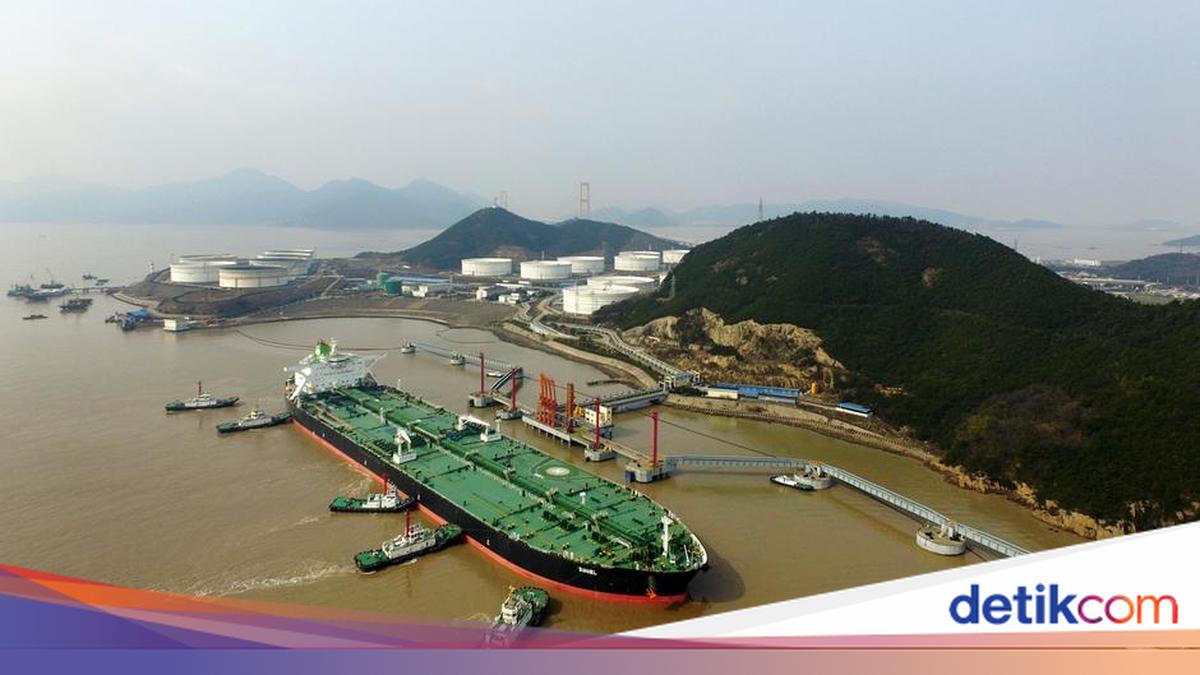
Weeks of battles between the United States (US), Israel, and Iran have disrupted oil and gas flows through the Strait of Hormuz, leaving governments in Southeast Asia scrambling to ensure sufficient energy supplies for industry, aviation, and household needs.
At the same time, China is attempting to turn this anxiety into an advantage.
“China is willing to strengthen coordination and cooperation with Southeast Asian countries to jointly address energy security issues,” said spokesperson for China’s Ministry of Foreign Affairs, Lin Jian, at a press conference last week.
Energy price surges spread across Asia
Southeast Asian countries have implemented various energy-saving measures and subsidies, while racing to find alternative suppliers and trade routes. Even nations like Malaysia and Brunei, which are oil and gas producers and exporters, remain vulnerable to inflation and supply chain disruptions in the region.
On 24 March 2026, the Philippines declared a one-year national energy emergency, warning of an “imminent threat” to energy supplies. The Manila government has also introduced a four-day workweek for government offices and restricted energy use.
The Philippines is also providing cash assistance to transport workers, while warning that fuel shortages could ground parts of its airline fleet. Vietnam has tapped into its energy price stabilisation fund and asked airlines to prepare for operational cuts, while importers warn that jet fuel supplies are only secure until March 2026.
Indonesia has pledged to absorb some of the impact through state budgets and increased subsidies. Thailand is considering additional aid as surging diesel prices hit sectors like fisheries. Malaysia is also boosting subsidies to keep fuel prices stable.
Southeast Asian governments are seeking temporary supplies from outside the Gulf region. Reuters reported last week that Asia is expected to import its largest volume of Russian fuel in March, with Southeast Asia as the biggest recipient.
China aligns its position with Southeast Asia
Meanwhile, China is using the crisis to “present itself as a responsible actor and stabiliser, calling for de-escalation in the Middle East and pledging to work with Southeast Asian countries to address energy shortages,” Li Mingjiang, associate professor at Singapore’s S. Rajaratnam School of International Studies, told DW.
Beijing also aligns with the general stance of Southeast Asian countries on Iran, namely pushing for diplomacy. Like countries in the region, the Chinese government wants the Strait of Hormuz reopened soon, while remaining cautious not to get directly involved in the conflict, said Chin-Hao Huang from the Lee Kuan Yew School of Public Policy to DW.
“So far, China’s public response has been to call for restraint, a ceasefire, and dialogue; this is a common ground for most Southeast Asian governments,” Huang added.
US actions deemed unpopular
This crisis also reinforces Beijing’s narrative that China is a great power defending peace, free trade, and multilateralism, while positioning itself in opposition to the United States, seen as aggressive.
“The US-Israeli military intervention in Iran is very unpopular in several Southeast Asian countries. China doesn’t even need to do anything for the US image to worsen further in the region,” Enze Han, associate professor at the University of Hong Kong, told DW.
“The surge in gas prices in many countries also tarnishes the United States’ image. Once again, Beijing doesn’t need to do anything for the blame to be directed at the US,” he added.
However, getting closer to China does not guarantee energy stability for Asian countries. Beijing itself has restricted fuel exports to protect its domestic supplies.
On 18 March, Cambodia stated that export restrictions from China and Vietnam have forced it to seek alternative suppliers and prepare for domestic energy shortages.
Momentum for shift to renewables?
In the long term, this crisis could strengthen China’s position in Southeast Asia. The energy shock is raising concerns over dependence on Middle Eastern oil, while increasing the appeal of renewables—a sector where Chinese companies are highly competitive, Li told DW.
China has been involved in Southeast Asia’s green energy transition. Chinese companies are among the largest investors in the region’s electric vehicle and battery industries. Beijing is also the main financier of large hydropower and solar farm projects in mainland Southeast Asia.
Speaking at the Boao Forum in China, Singapore Prime Minister Lawrence Wong said China can “play an important role” in shaping the global direction and “a larger role in supporting regional prosperity and stability,” while urging Beijing to remain a champion of rules-based open trade.
Wong also emphasised that ASEAN needs to work with China on renewable energy development and regional power grids. If the Iran war pushes Southeast Asia to reduce oil dependence, China stands to benefit, not just from the current crisis, but also from the region’s strategic responses moving forward.