
US-Iran Mutual Threats: Strait of Hormuz Crisis Triggers Global Oil Price Surge
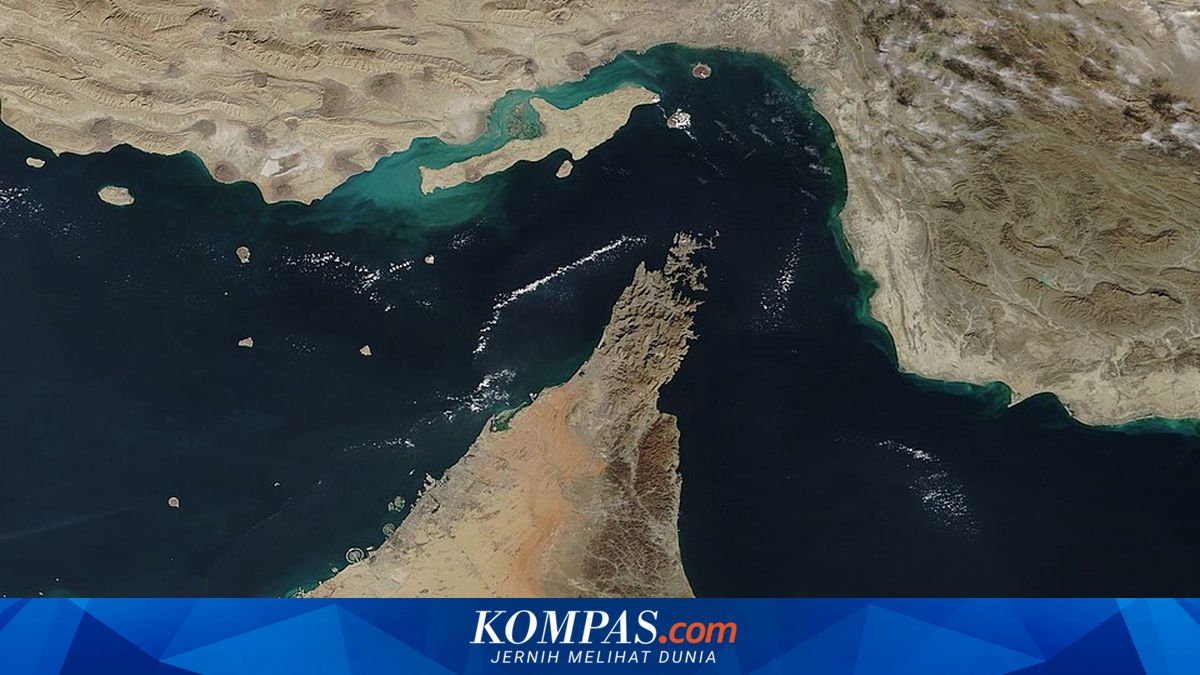
US President Donald Trump has given Iran an ultimatum to reopen the Strait of Hormuz within 48 hours, or face threats of attacks on its power generation facilities. Quoted from Bloomberg on Monday (23/3/2026), the warning was posted by Trump on Truth Social on Saturday (21/3/2026), as the conflict enters its fourth week with no signs of abating. Trump demands that Iran open the vital shipping route “fully without threats”, amid pressure to reduce the surge in global oil prices. This strategic route has in practice been disrupted since the US and Israel launched attacks on Iran on 28 February, although ships from certain countries can still pass through partially. Iran’s military has also warned that it will target all US and Israeli energy infrastructure, information technology, and desalination facilities in the region. Iran’s parliamentary speaker Mohammad-Bagher Ghalibaf even called the headquarters and assets of US government bond-buying financial institutions “legitimate targets”. Attacks on energy infrastructure in the past week have also increased the risk of long-term impacts on the global economy. Domestically in the US, this escalation of the conflict is beginning to raise concerns, including among Republicans. Alaska Senator Lisa Murkowski believes attacks on energy targets could escalate the conflict to a more dangerous level, especially if it involves ground troop deployments. Meanwhile, US Treasury Secretary Scott Bessent stated that the attacks on Iran aim to cripple defences around the Strait of Hormuz. He emphasised that Trump will take any steps necessary, including destroying Iran’s air and naval forces and preventing the country from acquiring nuclear weapons. Many production facilities have been damaged, while distribution barriers have also triggered shortages of fertiliser and plant nutrients that could disrupt food production.