
US-Iran Fail to Reach Agreement, 20% of Global Energy Supply at Risk
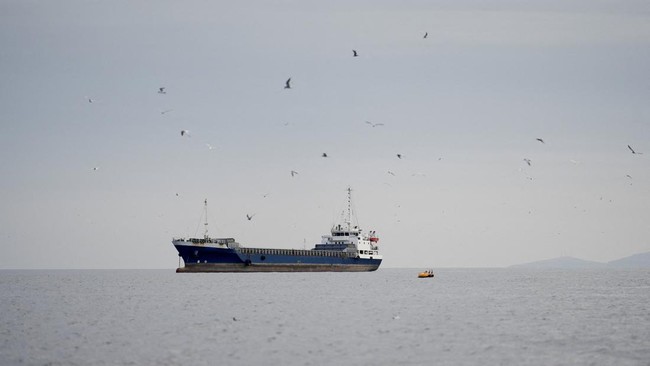
Geopolitical tensions have intensified after the United States and Iran failed to reach a peace agreement in marathon negotiations held in Islamabad, Pakistan. The failure of the 21-hour talks has worsened the already fragile ceasefire situation. The conflict, which has lasted more than six weeks, has reportedly killed thousands of people, disrupted global economic stability, and driven up energy prices, particularly for oil. Amid this situation, shipping activities in the Strait of Hormuz off the coast of Oman have come under the spotlight. This route is one of the world’s vital energy distribution points, with around 20% of global supply passing through the area. Both sides have blamed each other for the negotiation failure. Iran’s semi-official Tasnim News Agency stated that the United States’ demands, deemed “excessive,” were the main obstacle to reaching an agreement. Meanwhile, several Iranian media outlets revealed that agreements had actually been reached on some issues, but fundamental differences regarding control of the Strait of Hormuz and Iran’s nuclear programme remained the primary stumbling blocks in the negotiations. This condition has raised concerns in global markets, given the strategic role of the Strait of Hormuz as the main route for world oil distribution, as well as its potential impact on energy prices and international economic stability.