
US–Iran diplomacy intensifies as Washington proposal allegedly narrows the gap
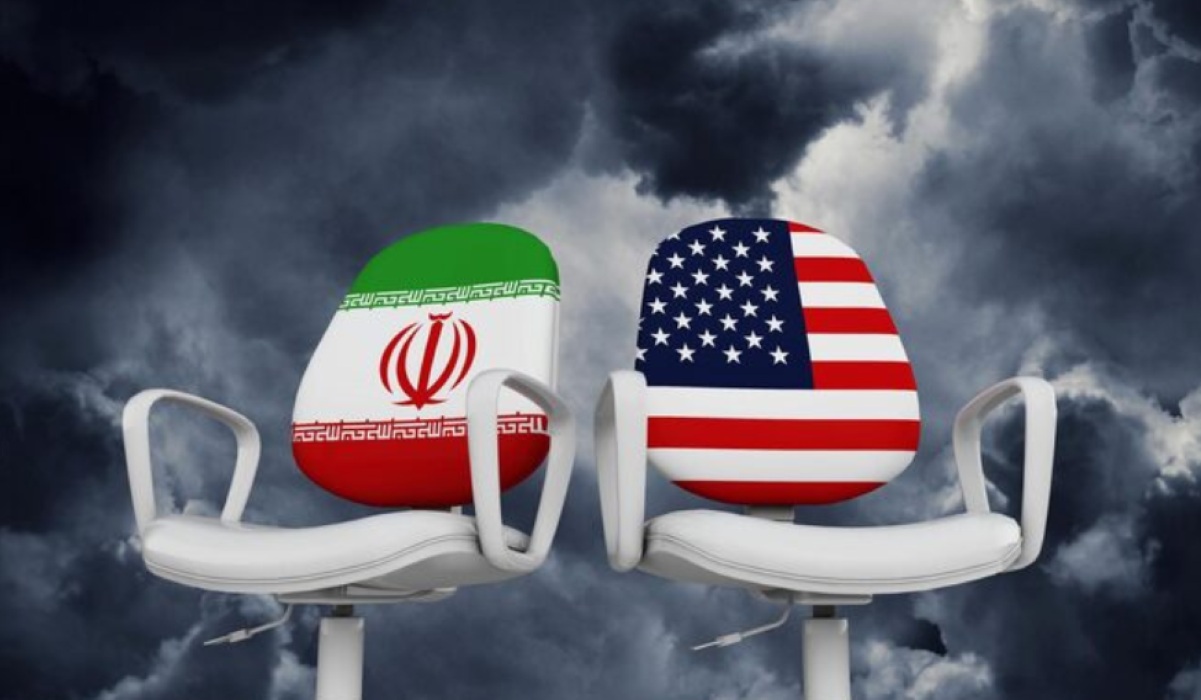
Geopolitical outreach has surged on Thursday (21 May) in a major bid to break the deadlock between the United States and Iran. Tehran is now responding to Washington’s latest proposal, which is claimed to have narrowed the gap between the two sides.
Semi-official Iranian news agency ISNA reported that the visit of Pakistan’s Army Chief, General Asim Munir, to Tehran aims to bridge the remaining differences. The move is expected to lead to an official announcement of the acceptance of a peace memorandum of understanding (MoU).
U.S. President Donald Trump said on Wednesday that efforts to reach a deal to end the war could take several days. Nevertheless, he continued to threaten military action if the outcome is not achieved.
‘If we do not get the right answer, we are ready to go,’ Trump told reporters at Joint Base Andrews. He added that negotiations are in the final stages, but the situation could become a little worse if a deal is not reached.
Earlier, Trump announced on Truth Social that he had canceled a planned strike on Tuesday. The decision came after leaders from Qatar, Saudi Arabia, and the United Arab Emirates urged him to give space for the diplomatic path.
The negotiations, which have stretched for weeks amid a short ceasefire, have focused on two crucial points:
Nearly three months since the conflict erupted after air strikes by the United States and Israel on 28 February, Iran continues to exert tight control over the waterways. The tension is choking global shipments and threatening world energy and food supplies.
Global oil prices had spiked amid the conflict, though Brent crude futures are reported to have fallen to around US$105 per barrel on Thursday morning as diplomatic hopes emerged.
On the ground, the situation remained tense. The U.S. military reported that U.S. Marines boarded the Iranian-flagged tanker Celestial Sea on Wednesday after it was accused of attempting to breach the maritime blockade.
In response to the pressure, Iran’s Islamic Revolutionary Guard Corps (IRGC) issued a stern warning: ‘If aggression against Iran recurs, the regional war that has been promised this time will spread beyond the region and our blows will crush you in places you cannot imagine,’ the IRGC said in a formal statement.
This came as the de facto blockade of the Strait of Hormuz amid the Middle East crisis is expected to push up electricity and gas prices in Japan, which has limited energy resources.
Two Chinese supertankers left the Strait of Hormuz after being held for two months. President Trump and Vice President JD Vance said a peace agreement with Iran would soon be reached.
Iran warned it would open a new front if attacked again by Israel and the United States, and reiterated it would still control the Strait of Hormuz.
The IEA warned world oil stocks were shrinking sharply due to Iran’s closure of the Strait of Hormuz. The fuel crisis threatens the global aviation sector.
Iran has formed a new agency to manage Strait of Hormuz operations amid rising tensions with the United States and threats to global energy distribution routes.
President Trump faces a major challenge regarding Iran’s nuclear programme. With 10 tonnes of uranium stockpile, U.S. diplomacy is at a critical point following military strikes.
The United States and Iran are exchanging proposals on the nuclear programme. While there has been progress, Israel and the United States have heightened military readiness for a potential war.
Tehran submitted a revision of the peace plan via Pakistan as Trump issued a stern warning. Read the details of the nuclear talks and oil sanctions here.
President Donald Trump again asserted that the top priority of his administration is to ensure Iran does not possess a nuclear weapon.