
US-Iran Ceasefire Threatened with Failure Following Israeli Attack
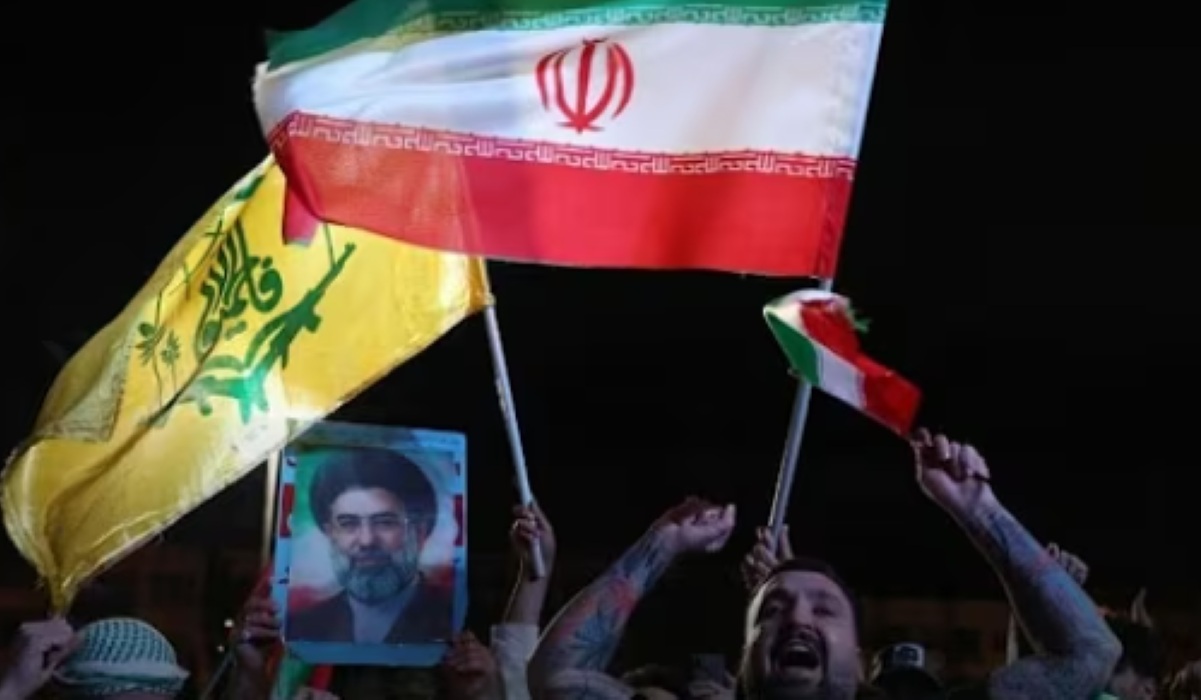
Further negotiations are set to take place in Islamabad on Friday (10/4). The temporary two-week ceasefire between Iran and the United States is in a precarious position as of Wednesday (8/4), after Tehran signalled the possibility of returning to conflict amid Israel’s large-scale attack on Lebanese territory. Both Washington and Tehran had previously claimed success after agreeing to a temporary halt in hostilities and initiating a path to negotiations aimed at ending the conflict that has killed thousands in the Middle East and shaken the global economy. However, tensions have escalated again with Israel launching one of its most intense attacks on Lebanon, including in densely populated areas of the capital Beirut. The attack comes since the Iran-backed group Hezbollah became involved in the conflict in early March. Lebanon’s Health Ministry reported at least 182 people killed and nearly 900 others injured in the attack that day. Israel asserted that its operations against Hezbollah are not covered by the US-Iran ceasefire. This statement was reinforced by US Vice President JD Vance, who is scheduled to lead talks with Tehran in Pakistan in the near future. “If Iran wants to let these negotiations fail because of Lebanon, which has nothing to do with them, and which the United States has never once said is part of the ceasefire, that is ultimately their choice,” he said, quoted by Al Jazeera on Thursday (9/4). On the other side, Iran’s Parliament Speaker Mohammad Bagher Ghalibaf hinted at a threat to the agreement’s continuation. He wrote on platform X that the basis for negotiation has been violated, making further talks pointless. A senior US official also stated that Iran’s 10-point plan does not fully align with the framework approved by the White House, adding uncertainty to the ceasefire’s future. In Lebanon, the humanitarian situation is deteriorating. UN Human Rights Chief Volker Turk described the scale of violence as horrific. Unwarned attacks in various parts of Beirut have triggered panic among residents. “People started running left and right, and smoke was billowing,” said Ali Younes, a resident who was near Corniche al-Mazraa during the attack. Since the conflict’s escalation last month, more than 1,700 people have been reported killed in Lebanon due to Israeli airstrikes and ground operations. The Islamic Revolutionary Guard Corps (IRGC) warned that it would fulfil its duties and respond if Israel’s attacks are not stopped. Hezbollah also affirmed its right to retaliate. Israeli Prime Minister Benjamin Netanyahu stated that his country remains ready to confront Iran and emphasised that there are still objectives to be achieved, including efforts to disarm Hezbollah. Meanwhile, US Defence Secretary Pete Hegseth affirmed that American forces remain on high alert if the conflict escalates again. Tensions are rising ahead of crucial talks scheduled in Pakistan on Friday. Previously, Iran had agreed to reopen the Strait of Hormuz under pressure from US President Donald Trump, allowing ships to pass on Wednesday. However, the latest reports indicate that the strategic route was closed again on the same day, prompting a strong reaction from the White House. “Any closure is completely unacceptable,” Press Secretary Karoline Leavitt stated firmly. Pakistan’s Prime Minister Shehbaz Sharif, acting as mediator, urged all parties to exercise restraint. He called via X for all sides to show restraint and respect the two-week ceasefire to allow space for diplomacy. Amid the situation, Iranian state media reported new missile and drone attacks on US-allied Gulf countries in response to strikes on its energy facilities. Kuwait reported damage to oil facilities, power plants, and desalination installations due to the intensive wave of attacks. The United Arab Emirates stated it was targeted by 17 missiles and 35 drones, while Saudi Arabia claimed to have intercepted nine drones. Bahrain also reported attacks in the capital Manama. Several European leaders, along with Canada and the UK, called for a swift and lasting end to the war through negotiation channels. Meanwhile, Pope Leo described this moment as a real hope. Nevertheless, fundamental differences between Iran and the United States remain the main obstacle. Tehran continues to insist on issues of uranium enrichment, lifting economic sanctions, and control over the Strait of Hormuz, a strategic route through which about one-fifth of the world’s oil supply passes. In contrast, the US and Israel state that their military operations aim to weaken Iran’s military capabilities. Amid the uncertainty, global markets initially responded positively. Oil prices fell by up to 15%, while natural gas prices in Europe dropped around 20% following the ceasefire announcement. Trump stated that Washington has come a very long way in efforts to reach a long-term agreement, referring to Iran’s 10-point proposal, which he said is implementable. However, Ghalibaf highlighted three alleged violations by the US: ongoing attacks in Lebanon, drone incursions into Iranian airspace, and rejection of uranium enrichment rights, which further weaken the prospects for the ceasefire’s sustainability. In Tehran, the city’s atmosphere appears quieter than usual. Many shops are closed after a night filled with fears of a major attack. “Everyone feels calm now,” said Sakineh Mohammadi, a 50-year-old housewife. She added that she feels proud of her country. “We’re more relaxed,” she concluded.