
US Intelligence Aircraft Fly over Cuban Skies, Pentagon Silent
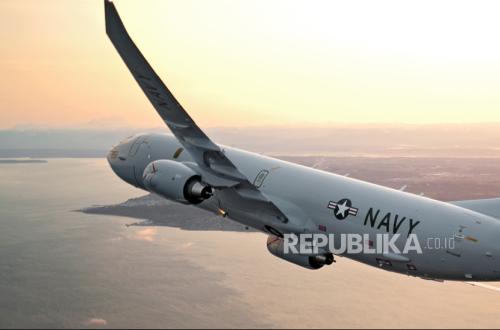
REPUBLIKA.CO.ID, JAKARTA – The United States has increased military intelligence flight activities near Cuban territory in recent months, amid escalating rhetoric from US President Donald Trump against Havana.
US media reports on Monday (11/5/2026) indicate that the US Navy and Air Force have conducted at least 25 reconnaissance flights since 4 February 2026. These operations took place around Havana and Santiago de Cuba, with some aircraft reported to have flown within approximately 64 kilometres of the Cuban coastline.
Based on analysis of public flight data from FlightRadar24 and ADS-B Exchange, the missions involved maritime patrol aircraft P-8A Poseidon, signals intelligence aircraft RC-135V Rivet Joint, and reconnaissance drone MQ-4C Triton.
This spike in activity is unusual, both in terms of frequency and proximity to Cuban territory. Prior to February, publicly trackable US military flights in the area were relatively rare.
The increase in surveillance operations follows Trump’s intensification of pressure on Cuba. In January, Trump reposted a Fox News contributor Marc Thiessen’s post claiming that Trump would visit a “free Havana” before the end of his term.
Shortly thereafter, the Trump administration tightened economic pressure on Cuba, including an oil blockade and new sanctions against several major economic entities in the country.
Last week, Washington imposed further sanctions on the Cuban military business conglomerate GAESA and a Cuban-Canadian mining joint venture, citing threats to US national security and foreign policy.
A similar pattern emerged ahead of US military operations in Venezuela and Iran, where heightened political rhetoric from Washington was followed by a surge in publicly visible military surveillance flights.
The Pentagon has declined to comment on the report. The Cuban government has also not issued an official response.
Intelligence Before Pressure
In modern geopolitical history, reconnaissance aircraft often serve as the first sign before a crisis is officially announced. Such activities appear technical and routine on the surface, but in many cases, they form the initial part of broader strategic pressure.
The surge in US intelligence flights near Cuba over the past few months evokes patterns reminiscent of several previous Washington operations. The increase in US military surveillance activity around Havana and Santiago de Cuba coincides with the hardening rhetoric of President Donald Trump towards the Cuban government.