
US Imposes Countervailing Duties on Solar Panels from Indonesia
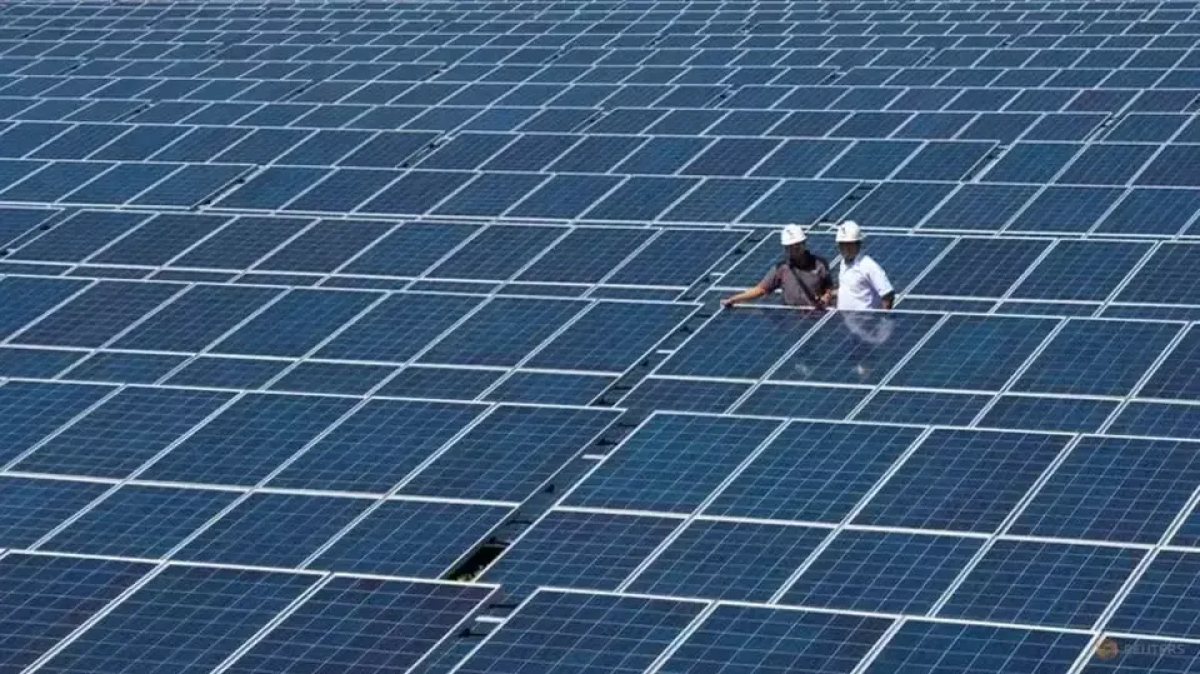
The United States government has implemented countervailing duties on the import of solar cells and panels originating from India, Indonesia, and Laos.
This policy has been adopted in response to government subsidies in these three countries, which are deemed to harm the competitiveness of the US solar industry.
The US Department of Commerce stated that companies in India, Indonesia, and Laos receive significant government support, thereby placing pressure on domestic producers.
This step represents a continuation of a series of tariff policies implemented over more than a decade against imports of cheap solar panels from Asia, largely produced by Chinese companies.
According to data released by the US Department of Commerce, calculated subsidy rates reached approximately 125.87% for imports from India, 104.38% from Indonesia, and 80.67% from Laos.
US government trade data shows that solar panel imports from these three countries reached approximately $4.5 billion last year, or roughly two-thirds of total imports in 2025.
Previous US tariff policies have caused disruptions to the global supply chain for solar panels. Imports from Malaysia, Vietnam, Thailand, and Cambodia experienced declines after the US imposed high tariffs on products from these countries last year.
This announcement is part of two decisions scheduled to be released in the coming weeks concerning a trade case filed by the US solar panel manufacturing industry group last year.
The US Department of Commerce will also determine next month whether companies from these three countries are selling products in the US market below production costs.
In addition to general tariffs, the US Department of Commerce has also established specific tariffs for a number of companies. Mundra Solar in India was charged a tariff of 125.87%, PT Blue Sky Solar in Indonesia 143.3%, and PT REC Solar Energy 85.99%.
Meanwhile, Solarspace Technology Sole Co and Vietnam Sunergy Joint Stock Company operating in Laos were charged a tariff of 80.67%.
Matthew Nicely, legal representative of Solarspace, expressed his disappointment over the decision. According to him, the tariff amount imposed does not reflect the company’s actual business conditions.
The US Department of Commerce is targeting a final decision in this subsidy investigation to be announced in July.