
US Dollar Index Breaks 100, Rupiah Closes Weak at Rp 16,958
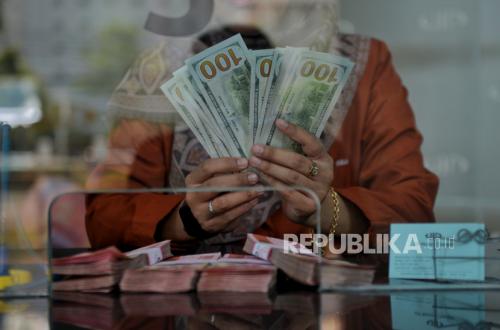
The US Dollar Index (DXY) breached the 100 level during Friday trading (13 March 2026). Meanwhile, the Indonesian rupiah weakened, approaching the Rp 17,000 per dollar level.
According to Bloomberg, the rupiah weakened by 65 points or 0.38 per cent to Rp 16,958 per dollar. The DXY strengthened by 0.39 points or 0.39 per cent, breaking through 100.131.
Currency and commodity analyst Ibrahim Assuaibi opined that various factors have caused the rupiah to weaken, stemming from both external and internal sentiment.
From an external perspective, oil prices surged following statements by Iran’s new leader, Mojtaba Khamenei, declaring that the Strait of Hormuz would remain closed. This narrow waterway is a critical chokepoint through which one-fifth of global oil and gas supplies pass. The closure of the strait has caused the largest supply disruption in the history of the global oil market.
“Market participants and analysts are concerned that a significant jump in oil prices will impact the wider world in the form of an inflationary shock. Brent crude futures, the global benchmark, most recently stood at around 100 US dollars per barrel,” Ibrahim stated on Friday (13 March 2026).
Ibrahim noted that amid these conditions, central banks such as the Federal Reserve may be forced to reconsider short-term interest rate cuts if inflation rises.
“Higher borrowing costs could attract more foreign investment, thereby increasing the attractiveness of the dollar,” he said.
Beyond the Iran conflict, Ibrahim mentioned that investors were also monitoring US inflation data this week. Consumer price index figures on Wednesday showed that inflation largely remained stable in February compared to the previous month. However, these figures do not reflect the inflation spike resulting from oil price increases caused by US-Israeli military operations in Iran.
“The personal consumption expenditures price index for January, which will be released this weekend, is expected to provide more clues about US inflation. Most importantly, this figure is the Fed’s preferred measure of inflation and is likely to be a factor in long-term interest rate expectations,” he explained.