
US Dollar Gains Strength, Rupiah Opens Weaker at Rp17,100
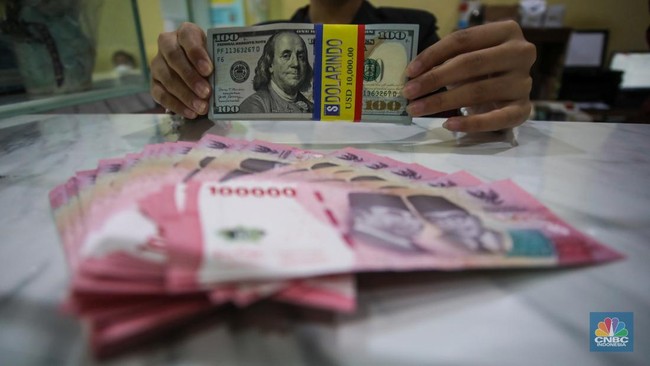
Jakarta, CNBC Indonesia — The rupiah exchange rate opened weaker against the US dollar on the first trading day of the week, Monday (13/4/2026), in line with the strengthening of the US dollar in global markets. According to Refinitiv data, the Garuda currency began trading in the red zone at Rp17,100/US, ordepreciatedby0.09percent.ThisweakeningfollowedthepreviouscloseonFriday(10/4/2026), whentherupiahalsoendedslightlyweakerby0.03percentatRp17, 085/US. On the other side, the US dollar index (DXY), which measures the greenback’s strength against six major world currencies, was observed rising 0.37 per cent to 99.010 at 09:00 WIB. The rupiah’s movement in today’s trading is expected to continue to be influenced by external sentiment, particularly the strengthening of the US dollar in global markets. The US dollar surged against major world currencies as investors returned to hunting safe-haven assets following lengthy talks between Washington and Tehran that failed to produce a peace agreement. This situation has once again overshadowed the market with uncertainty that has persisted into the seventh week. US President Donald Trump stated on Sunday that the US Navy would begin blockading the Strait of Hormuz, a narrow route through which about 20 per cent of the world’s daily energy supply passes and which Iran has effectively closed since the war broke out at the end of February. This move has driven oil prices up more than 30 per cent and triggered new concerns over a global inflation surge. Previously, the US and Iran had announced a two-week ceasefire. At that time, the market had responded positively with oil selling and a return of some funds to risky assets like stocks. However, concerns that the agreement was fragile led market participants to reverse those positions. Market participants see optimism for peace negotiations fading. In such situations, the US dollar is once again sought as a safe-haven asset amid surging oil prices and pressure on various other assets. Ultimately, the strengthening of the US dollar in global markets is making room for the strengthening of other countries’ currencies, including the rupiah, increasingly limited.