
US Blockade in the Strait of Hormuz: Ship Traffic Declines, Energy Distribution Disrupted
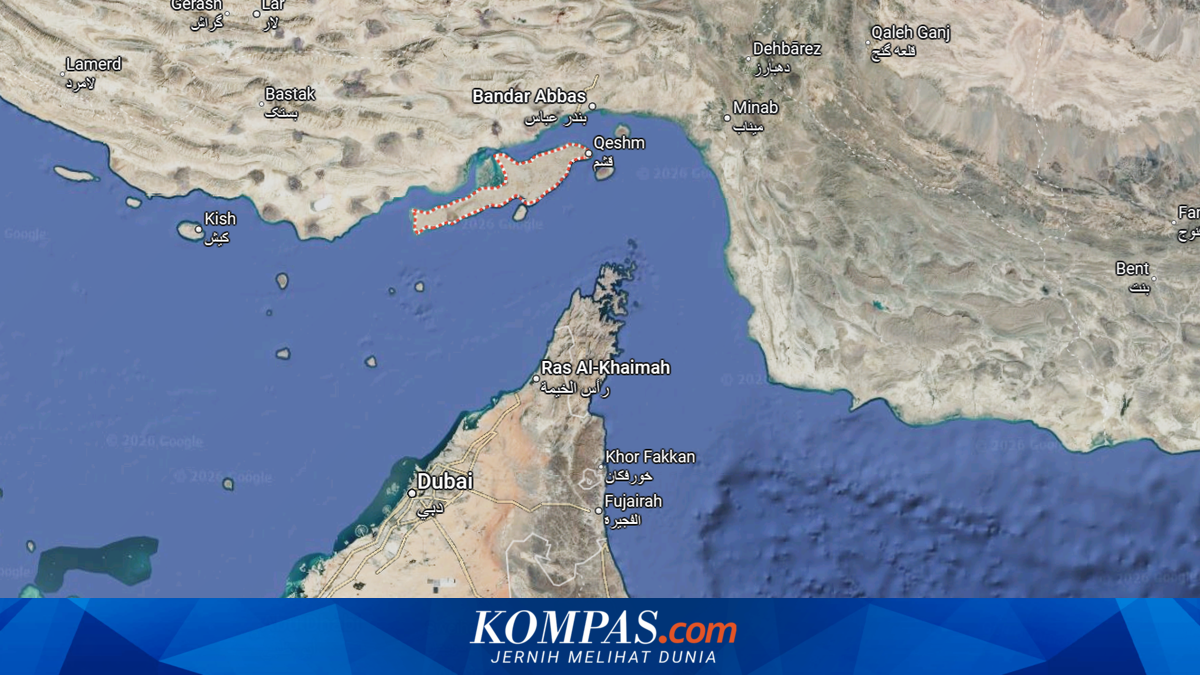
The Strait of Hormuz has once again become the focus of global attention following the implementation of a blockade by the United States against ships linked to Iran. This narrow sea passage connecting the Persian Gulf to the Arabian Sea is one of the world’s most vital energy chokepoints, with flows of around 20 million barrels of oil per day and approximately one-fifth of global liquefied natural gas (LNG) trade. Amid rising geopolitical tensions, operational dynamics in the area show significant changes, both in terms of shipping traffic and energy distribution. Shipping data indicates that vessel activity in the Strait of Hormuz has not entirely halted after the blockade was enforced, although the volume has dropped sharply compared to normal conditions. On the first full day after the blockade was imposed, at least eight ships, including three tankers linked to Iran, were recorded crossing the strait. However, this figure is only a small fraction of the more than 130 daily crossings before tensions between the US, Israel, and Iran escalated since late February 2026. “Six ships complied with US forces’ instructions to turn back and return to Iranian ports,” stated the US Central Command, quoted from Fox Business on Thursday (16/4/2026). Nevertheless, several ships continue to pass through routes not directly linked to Iran. One such is the Panama-flagged tanker Peace Gulf, heading to the Hamriyah port in the United Arab Emirates. This vessel is known to typically transport Iranian naphtha to other Middle Eastern ports before exporting to Asia. Another ship, Rich Starry, became the first to exit the Gulf after the blockade began, carrying around 250,000 barrels of methanol. This situation reflects a changed operational pattern: shipping continues, but with strict restrictions, route diversions, and increased risks of interception. Professor of political science at the University of Genoa, Fabrizio Coticchia, explained that the blockade approach implemented is not total.