
US Begins to Lose Allies, Trump's War on Iran Could Backfire
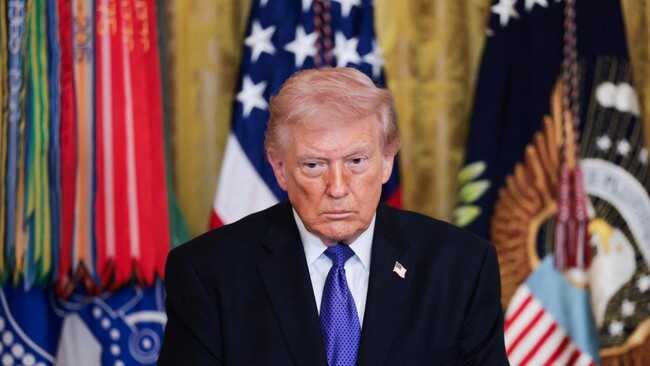
The United States has conducted military actions in the Middle East, with past wars in 1991 and 2003 highlighting varying levels of allied support. Recent strikes on Iran, and its ally Israel, are described as potentially violating international norms. Kristina Kausch of the German Marshall Fund argues these actions undermine international law and erode legitimacy for US-led interventions, while European perceptions of Trump’s leadership have worsened following other controversial moves, such as threatening to seize Greenland from NATO ally Denmark. Since regaining power, Trump has pushed an America First foreign policy, pulling the US from various international institutions and prioritising national interests. Nadia Schadlow, a former US national security official, notes that multilateral bodies such as the United Nations have limited restraining power in preventing war, implying nations often act alone when national security is at stake. Some allied countries have shown reluctance to fully support the operation: the UK has restricted US aircraft to two bases for defensive purposes only, while Spain refused access to its bases. Canada expressed cautious support for preventing Iran from acquiring nuclear weapons but called for de-escalation. French President Emmanuel Macron criticised the strikes as contrary to international law. Analysts consider the conflict could benefit China strategically, with Jacob Stokes of the Center for a New American Security noting that Middle East conflict could drain American arms stocks and provide Beijing a chance to observe modern warfare first-hand. The article concludes that prolonged involvement in the Middle East could serve as a strategic advantage for Beijing if the US becomes mired in a lengthy conflict.