
US 'Armageddon' Over Iran, Fuel Shortages See People Turn to Firewood
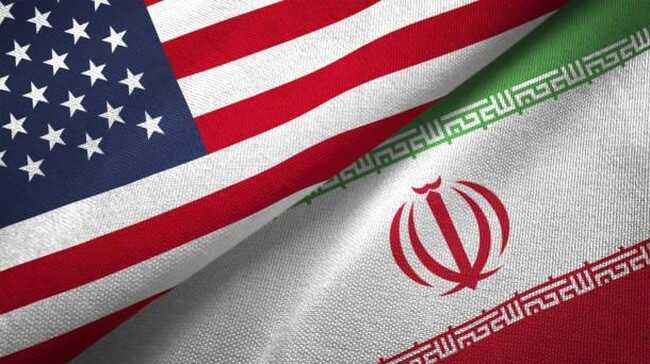
The decision by Iran to close the Hormuz Strait in response to attacks by the United States and Israel since Saturday 28 February 2026 has immediately unsettled global energy markets. The move sparked fears of higher oil prices and raised concerns about supply disruptions as many countries rely on that strategic route.
The United States itself once faced an energy ‘Armageddon’ in 1979 that triggered domestic fuel shortages; queues formed at gas stations, and some people used wood as an energy substitute to heat spaces.
Eight months Oil Crisis
Going back 46 years, Iran’s political system underwent a major change. The monarchy under Mohammad Reza Pahlavi, a close US ally, fell and was replaced by the Islamic Republic led by Ruhollah Khomeini. The revolution was marked by large-scale demonstrations that rejected Western dominance and demanded a complete reassessment of the country’s direction and order. Political upheaval directly impacted the energy sector. Iran’s oil industry ground to a halt due to strikes, mass exodus of foreign workers who feared for their safety, and operational disruptions at refineries.
According to research “Oil embargo and Energy Crises of 1973 and 1979”, production, which in July 1978 was around 5.8 million barrels per day, collapsed sharply to around 445,000 barrels per day in January 1979. The drastic drop disrupted global supply and sparked market panic.
As a result, world oil prices surged to around US$20 per barrel and triggered a new wave of inflation in Western countries. Oil-importing nations, including the United States, were hit by an oil crisis.
According to research “The U.S. Petroleum Crisis of 1979” (1979), domestically, long queues appeared at nearly all petrol stations across various regions of the United States. Many stations posted signs reading “Sorry, No Gas” or “No More Gas Today”. People had to wait for hours just to obtain fuel.
In truth, this oil crisis was not the first time the US faced it. In 1973, the oil crisis also hit the US after an embargo by Arab OPEC members for supporting Israel in the Yom Kippur War.
However, the 1979 crisis was far more significant in impact because it lasted around eight months. Some states implemented various policies, from odd-even gas purchases to speed limits to conserve energy.
According to History.com, President Jimmy Carter even described the situation as a national crisis and urged the public to curb energy consumption. Carter also pushed for the use of alternative energy, such as solar panels and the use of wood for heating instead of oil in space-heating systems.
Since then, some Americans followed the call, including switching to wood for heating. Evidence, according to For Green Heat, shows that sales of wood stoves and firewood for heating rose in 1979 by millions of dollars.
Ultimately, the crisis eased as the United States secured oil from countries such as Venezuela and Mexico, and found new oil sources in Alaska. As a result, the United States became more serious about strengthening strategic energy reserves and reducing reliance on imported oil, especially after deciding to halt total imports from Iran by the end of 1979 as the situation deteriorated.
Now, every tension around the Hormuz Strait always evokes the spectre of the 1979 oil crisis in the United States.