
US and Gulf States Draft UN Security Council Resolution on Strait of Hormuz
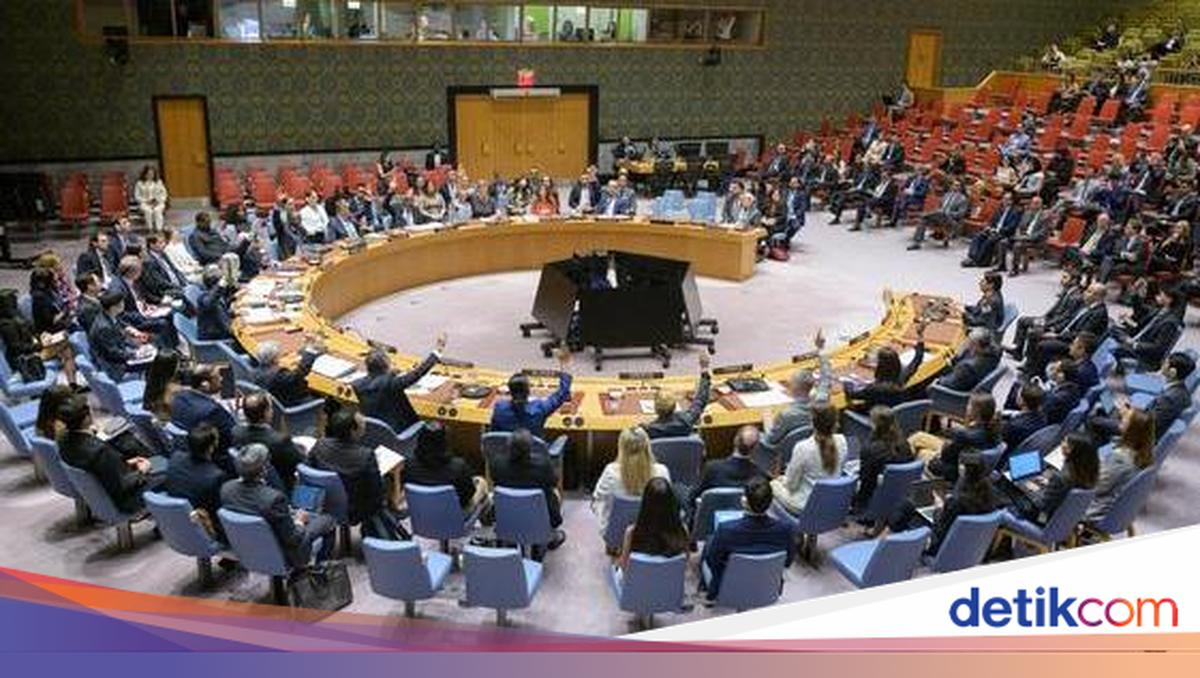
The United States and Gulf Arab states are drafting a new UN Security Council resolution designed to condemn Iran for blockading the Strait of Hormuz. This was stated by the US Ambassador to the UN, Mike Waltz, on Monday (4 May) local time.
Waltz said negotiations on the draft resolution would take place this week. This follows the veto of a previous resolution last month by two permanent members of the UN Security Council, Russia and China, which Washington had hoped would trigger international efforts to restore freedom of navigation in the Strait of Hormuz.
According to Al Arabiya on Tuesday (5 May 2026), the resolution is expected to require Iran to halt attacks on commercial ships and efforts to impose import duties on shipping in the strait. It also demands that Iran stop placing sea mines in the vital strait and disclose the locations of those mines.
Waltz described the draft resolution as a “narrower effort” than the previous failed one, emerging while a ceasefire with Iran is in place.
“This is much more focused on the issue of mines in those international waters and on the imposition of duties, which affects all world economies, particularly in Asia,” the US Ambassador to the UN said.
Previously, the US military stated it had fired on Iranian forces and sunk six small boats that were said to be targeting civilian ships. This action was part of Washington’s efforts to reopen shipping lanes in the Strait of Hormuz. Under military protection, two US-flagged commercial ships reportedly successfully transited the route.
Washington’s efforts to reopen shipping lanes are seen as potentially easing global economic pressures but also increasing the risk of escalation. Shipping and insurance companies remain cautious, while Iran views the moves as violating the fragile ceasefire and asserts it will continue targeting ships in the region.
Meanwhile, tensions are spreading to the Gulf region. The United Arab Emirates (UAE) reported its first attack since the early April ceasefire. On Monday (4 May), the UAE’s air defence system intercepted 15 missiles and four drones.
Although most were successfully stopped, one drone triggered a fire at an oil facility in Fujairah and injured three Indian workers. Additionally, two cargo ships were reported to be on fire in offshore waters.