
Urban Workers Embrace Café Work Routines, Spending Up to Rp 1 Million Monthly
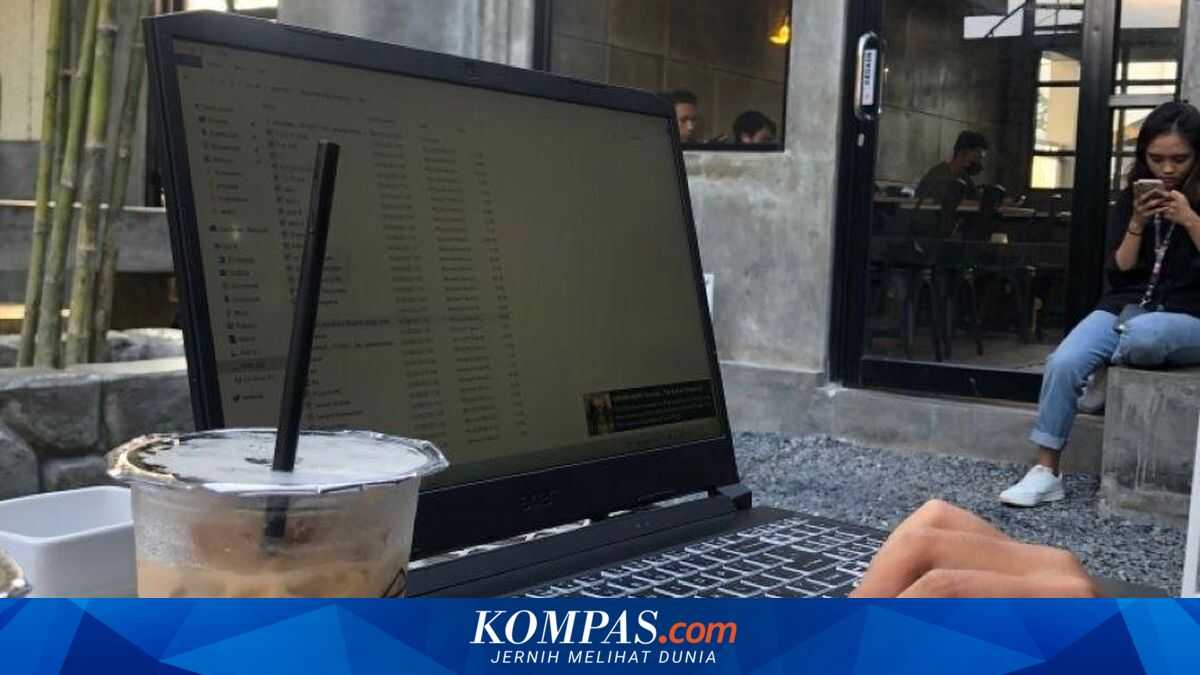
JAKARTA – Office desks no longer exclusively reside within office buildings. Across Jakarta, open laptops, cups of coffee, and earphones have become a common sight in cafés and minimarkets.
The work-from-anywhere (WFA) phenomenon has blurred the boundaries between public and private spaces, marking a significant shift in the work culture of urban professionals.
Over recent years, particularly following the pandemic’s easing and the adoption of more flexible work arrangements, cafés and minimarkets have transformed into alternative workspaces.
Some workers are drawn by the atmosphere, whilst others seek improved focus. Many view café expenses as an investment in productivity. Within this shift, public spaces have emerged as flexible, personalised “second offices”.
Dafa (27), a freelance content writer, represents creative workers who have integrated cafés into their work systems. He began frequently switching locations after pandemic restrictions eased and outdoor activities resumed.
Months of working from a dormitory room left his daily routine feeling monotonous. His productivity declined due to numerous distractions and an unsupportive environment.
To combat the monotony, Dafa decided to try working from cafés.
“At that point, I felt genuinely exhausted working constantly from my dorm room,” Dafa said during an interview in the Tebet area on Wednesday (25 February 2026).
This decision yielded unexpected results. What started as a simple experiment became a turning point in how he managed focus and time.
Over time, the habit evolved into a consistent pattern. Café work is no longer merely an occasional alternative but an integral part of his freelance work system.
“From that point on, working at cafés became part of my routine,” he explained.
As a freelancer, the frequency of working outside home depends on project volume. When workload increases, he chooses to work out more often to maintain consistency.
“When I have many projects, I might go out four to five times a week. But when things are quieter, perhaps just two to three times,” he noted.
According to Dafa, the home environment contains numerous distractions, including the nearby bed, mobile phone notifications, and unmotivated feelings that creep in unnoticed. In contrast, public spaces encourage greater discipline.
“At cafés, I feel a certain ‘pressure’ that makes me more disciplined. It feels wasteful to spend money without genuinely working. Additionally, the ambient sound of people talking actually helps me concentrate,” he explained.