
Urban-Rural Disparities and the Post-Lebaran Return Flow
The government prioritises maintaining the quality of education.
When roads along corridors connecting cities and villages become increasingly crowded, even congested, while major cities begin to be abandoned by their residents, that is the moment of Lebaran mudik. Mudik, which literally means returning to the village or hometown, is a massive mobility flow of people returning to their places of origin, popular not only among Muslims but has become part of the annual tradition of Indonesia’s multi-pluralistic society.
Regardless of how tiring it is or how much money is spent, ahead of the Idul Fitri holiday celebration, more than 100 million residents leave their homes, braving traffic jams to return to their original villages.
From a survey conducted by the Ministry of Transportation, in 2026 the number of Lebaran mudik flows has decreased by 1.75% compared to 2025. In 2026, the number of mudik participants is reported at 143.9 million people. In 2025, the number was 146 million people. However, in reality, the mudik population flow in 2026 may not be less than estimated and could be higher.
As many as 53% of the total 143.9 million mudik participants, or 76.24 million people, are projected to use private vehicles. The first wave of mudik occurred on 13 March, and the second wave between 16 and 17 March. The peak return flow is on 24 March and will also occur on 28 March 2026. It is suspected that the return flow will be larger because a number of relatives and friends from hometowns will join to seek opportunities in big cities.
MEANING OF MUDIK
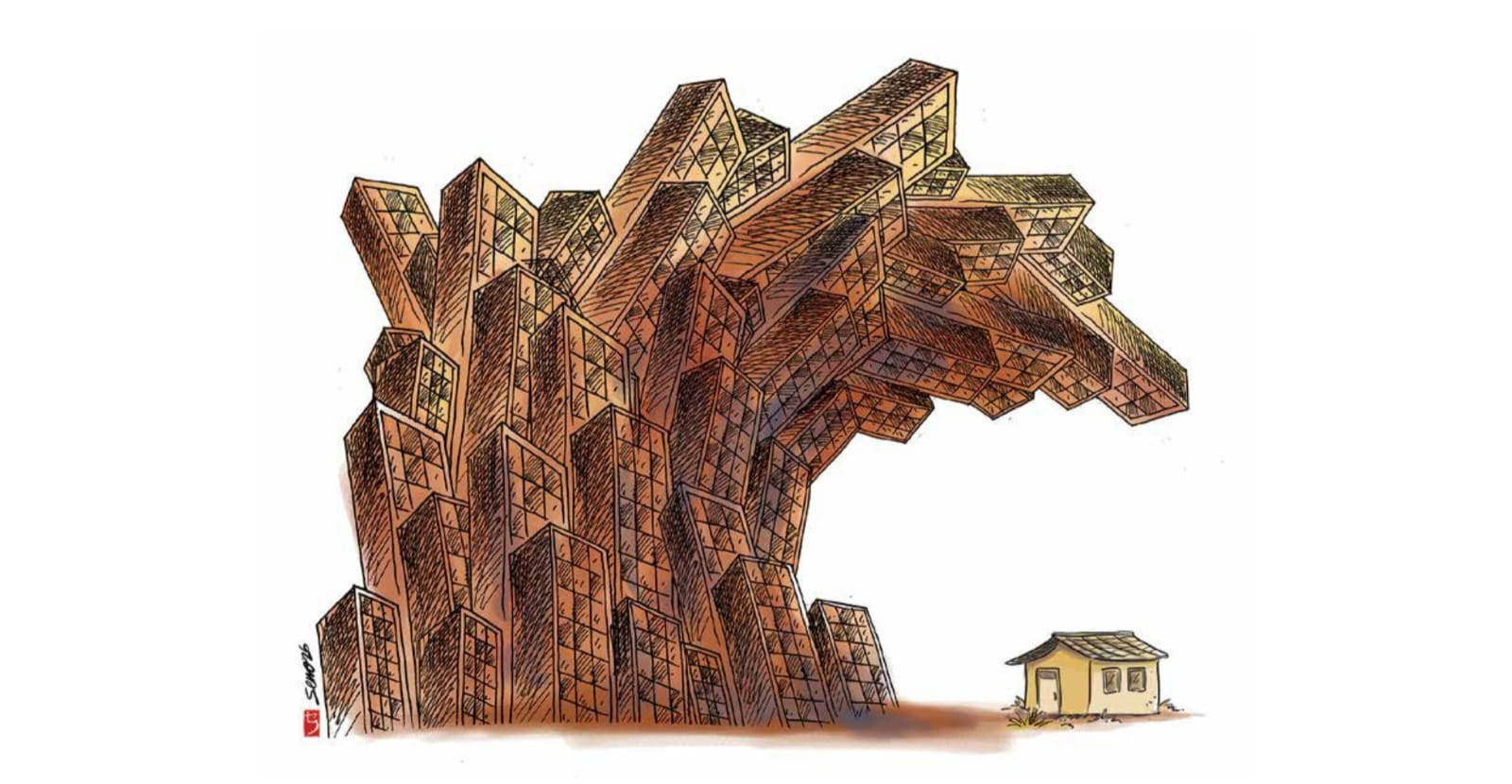
Mudik, followed by the return flow, is a colossal socio-cultural ritual that demonstrates the strong family ties and local wisdom in our society. It is a moment when big cities like Jakarta, Surabaya, and other medium-sized cities—as centres of urbanisation—gradually become deserted, while villages become centres of annual routine bustle due to mudik.
Big cities experiencing ‘over-urbanisation’ will appear quieter during Ramadan and the Idul Fitri celebration because most people choose to return to their hometowns (Evers, 2002).
From a sociological perspective, mudik is a ‘spiritually meaningful journey’ and a means to fulfil psychological needs to release fatigue after a year of striving and working in the city. Mudik reflects the enduring family values, longing to meet relatives and friends, and maintaining ties. There is a strong urge to return to origins, visit ancestral graves, and complete worship. It is a sacred moment thick with the spirit of brotherhood.
Broadly speaking, the meaning of mudik for Indonesian society is: First, a momentum for social reintegration. Migrants who have gone to the city to seek their fortune now return to their original communities to strengthen family ties—while displaying their new social status after migrating.
During mudik, it is common for people to return with new clothes, new motorbikes, new cars, and various items that show improvement in their status compared to before. Mudik is an opportunity to demonstrate success stories and achievements of village children who now migrate and work in the city.
For people in the home village, the success stories of migrants are a magnet that encourages them to do the same, namely urbanise to various big cities to seek work and a future.
Second, mudik is a momentum for developing economic redistribution processes. The circulation of savings and THR money brought from the city to the village, shopping in the hometown, and donations to places of worship in the village create a multiplier effect from the mudik tradition. Money circulation during Ramadan and around Lebaran tends to rise in various villages and along roads leading to villages.
Turnover of UMKM products usually increases because they are bought as souvenirs. Rural shops generally appear more vibrant and even crowded with buyers. In short, money circulation in villages surges dramatically with the arrival of migrants to their hometowns.
Third, a momentum for ‘self-purification’. Reuniting with parents and family is considered able to cleanse the soul and provide its own happiness for mudik participants. Although communication technology like video calls, WhatsApp, and other social media has advanced and can facilitate communication with the family of origin, people feel that the offline mudik tradition remains irreplaceable.
Meeting and chatting with family offline is a luxury rarely obtained by mudik participants while working in big cities. This is what causes people to still choose to return home despite video calls or information technology that can be used to communicate with everyone.
RETURN FLOW
If mudik speaks of longing, then the return flow speaks of realistic matters. The return flow is the movement back to big cities to continue life and daily livelihood pursuits. The euphoria of Lebaran slowly fades, and when they return to the city to earn a living, people will again face the challenges and demands of daily life that are not light.
So far, the return flow often brings more than just relatives joining to the city. The return flow is the point where individuals re-adapt to the fast and competitive urban rhythm. When villages increasingly lose their appeal and involutive capacity to absorb incoming labour, there is no other realistic choice—except to join the return flow and try to earn a living by working in big cities.
Currently, it must be honestly acknowledged that among young people, their interest in working in the agricultural sector has greatly diminished. Almost no young person