
Up to 1,020 Jobs at Risk as Oil Crunch Disrupts Plastic Industry
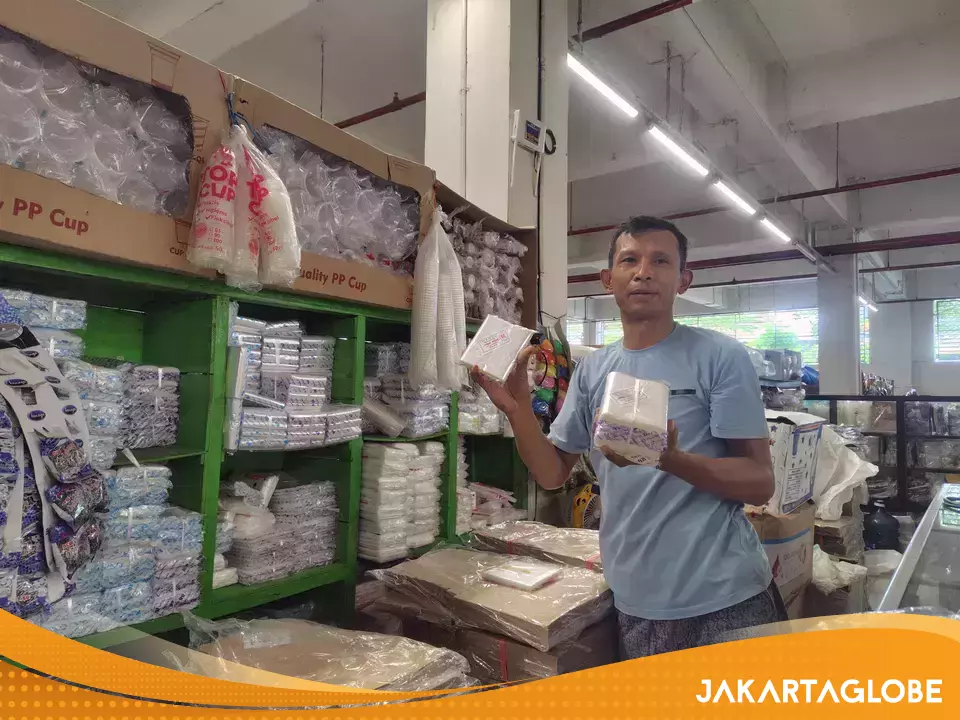
Up to 1,020 Jobs at Risk as Oil Crunch Disrupts Plastic Industry
Jakarta. Indonesia’s plastic industry is bracing for job losses and output shocks as a global oil and gas supply crunch disrupts raw material flows, with up to 1,020 formal workers at risk, a study by the Institute for Economic and Social Research of Faculty of Economics and Business University of Indonesia (LPEM FEB UI) shows.
In its report National Plastic Crisis Amid Global Shock, LPEM said the closure of the Strait of Hormuz has cut Middle Eastern crude supply by 20%–30%, triggering shortages of primary feedstock and disrupting domestic plastic processing and recycling activities.
“The plastic raw material industry is projected to face a larger hit from the demand side. Meanwhile, plastic application industries are under both demand and supply pressures. The plastic recycling industry is expected to face disruptions in recycled material inputs,” LPEM FEB UI wrote.
The study estimates direct losses to Indonesia’s plastic industry GDP at between Rp 960 billion and Rp 1.4 trillion ($80.6 million), with broader spillovers likely across downstream sectors such as food and beverages, pharmaceuticals, retail, logistics, and e-commerce that rely heavily on plastic packaging.
LPEM FEB UI outlined three supply shock scenarios:
20% supply decline: GDP loss of Rp 960 billion; 680 jobs affected
25% supply decline: GDP loss of Rp 1.2 trillion; 850 jobs affected
30% supply decline: GDP loss of Rp 1.4 trillion; 1,020 jobs affected
The risks are amplified by Indonesia’s structural dependence on imports. The country remains a net importer of primary plastics, finished plastic products, and recycled materials. In 2025, net plastic imports reached $7.7 billion, equivalent to around Rp 127 trillion (assuming Rp 16,500 per dollar).
High reliance on imported upstream petrochemical products further underscores the vulnerability. As of 2019, about 41% of domestic plastic raw material demand was met through imports, reflecting the sector’s capital-intensive and technology-heavy nature, as well as dependence on naphtha feedstock largely sourced from abroad.
“This import dependency makes domestic prices highly sensitive to global commodity price fluctuations,” LPEM FEB UI added.
Beyond supply risks, the report flagged policy gaps that continue to weigh on the industry. First, Indonesia’s plastic regulations are broad but fragmented. Second, import and tariff policies are more effective at securing short-term supply, while incentives for upstream investment, import substitution, and recycling remain limited. Third, policy objectives often lack alignment between ensuring affordable imported feedstock and promoting domestic petrochemical development.
“As a result, businesses face uncertainty over whether the government aims to ease resin imports or build long-term import substitution,” LPEM FEB UI said.
Tags: Keywords: