
UOB: Manufacturing Key to Boosting Middle Class Purchasing Power
JAKARTA – PT Bank UOB Indonesia states that the manufacturing sector plays a crucial role in driving Indonesia’s economy forward.
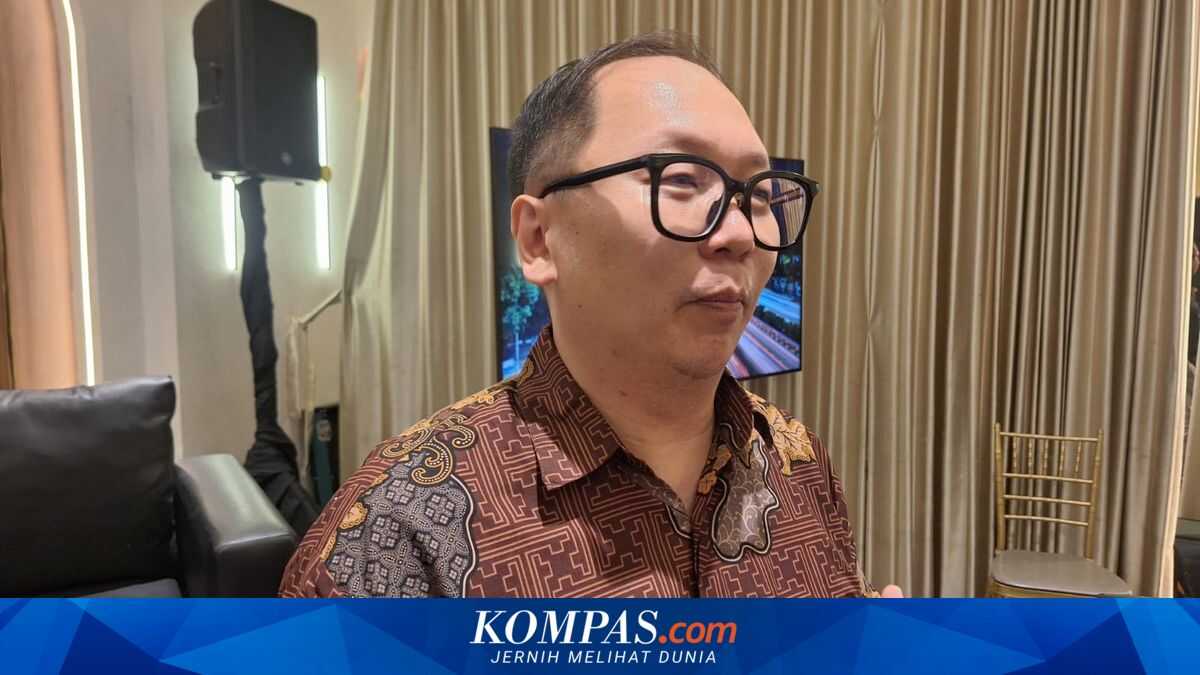
UOB ASEAN Economist Enrico Tanuwidjaja emphasised that amid the current squeeze on the middle class, opening up the manufacturing sector has become essential. “Opening labour-intensive manufacturing is the key,” he said during the UOB Media Editors Circle event on How the Middle Class Thrives in Economics Volatility on Monday, 2 March 2026.
Tanuwidjaja added that the government currently needs to increase demand relative to supply from the manufacturing sector. He stressed that a trust crisis has caused demand to fall among the middle class. “We must revive the manufacturing sector, because it is the backbone of any nation, including Indonesia,” he stated.
Tanuwidjaja explained that development in the manufacturing sector is believed to restore purchasing power among the middle class. “It is therefore very important that they absorb labour, improve purchasing power, and ultimately our economic growth becomes higher, higher quality, and sustainable,” he said.
He added that the manufacturing sectors currently attracting foreign capital are dominated by transportation, warehousing, logistics, and agriculture. “In my view, these are currently hot, and they need continued emphasis,” he noted.
Specifically for the agriculture sector, Tanuwidjaja believes this industry can absorb more labour when coupled with proper incentives. These incentives could include assistance with fertilisers and capital goods for rice field operations.
He added that once the planting season concludes, farmers could transition to online motorcycle taxi services whilst waiting for their commodities to harvest. “So within 12 months, they are fully optimised,” he said.
Tanuwidjaja further revealed that the world currently faces very high uncertainty, reflected in the uncertainty index created by the IMF. He believes the middle-income population typically finds itself squeezed. “Too many government incentives, yet they are expected to stand on their own two feet,” he explained.
In the same occasion, UOB Indonesia’s Deposit, Wealth Management and Training Head Emillya Soesanto explained that Indonesia’s middle class has continued to decline over time.
Indonesia’s middle class reached 57.3 million, or approximately 21.5 percent in 2021 during the Covid-19 pandemic. The number continued to decline to 47.9 million, or 17.1 percent in 2024. Last year, the middle class further contracted to 46.7 million, or 16.6 percent in 2025.
“The contribution from the middle class is very significant, including in terms of consumption. If we look at it, their contribution is 81.5 percent of Indonesia’s total economy,” she said.