
Unsorted Waste Damages Rp 20 Billion Masaro Machine After Two Months of Operation
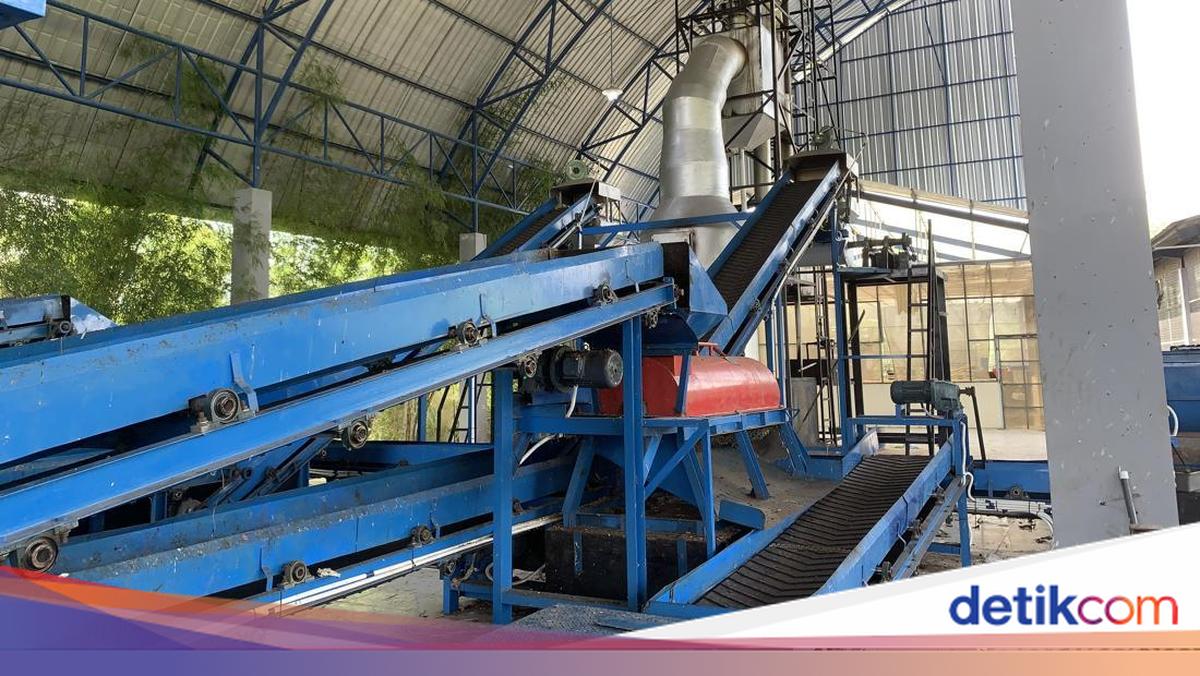
Two waste processing machines from Manajemen Sampah Zero (Masaro) worth Rp 20 billion in Lingsar and Batu Layar sub-districts, West Lombok, Nusa Tenggara Barat (NTB), have been damaged. The machines had only been operational for two months.
The head of the West Lombok Environmental Service (DLH), M Busyairi, stated that the machines suffered damage to the blower insinerator component. As a result, smoke from waste incineration was not being expelled adequately through the chimney equipped with a smokeless system.
The damaged blower forced Masaro operations to cease temporarily for three days. Consequently, waste from four sub-districts accumulated.
“Our technicians lack expertise, so he contacted technicians from Java, which caused the three-day halt. It only needed slight welding and the blower returned to normal,” said Busyairi on Tuesday (10 March 2026).
According to Busyairi, one primary cause of the blower damage was unsorted household waste being fed into the processing machine.
He explained that the Masaro system was actually designed to separate waste types. Organic waste is processed using a shredding machine to produce compost, whilst inorganic waste is incinerated using an incinerator.
“The Masaro system can actually sort waste. Organic material goes into the shredding machine and can become compost. Inorganic materials are burned in the incinerator machine. But there is also broken glass in there, and bricks and rocks that aren’t noticed—when they enter the machine, it simply cannot process them,” he explained.
Nonetheless, Busyairi confirmed that the machines have now been repaired and waste processing has resumed. However, the machines’ performance is said to remain suboptimal.
“Operations restarted yesterday, but not at full capacity,” he said.
He added that the ideal processing capacity at Masaro reaches 20 tonnes per day. However, because incoming waste is not pre-sorted, staff must manually separate materials, making the processing timeline longer.
“We also once tried processing two trucks of waste from a hotel, which was completed in less than two hours. But now perhaps it’s half that because our workers must first sort the waste, although we don’t have many staff members,” he concluded.