
Unsoed Expert Warns of El Niño's Impact on Food Production
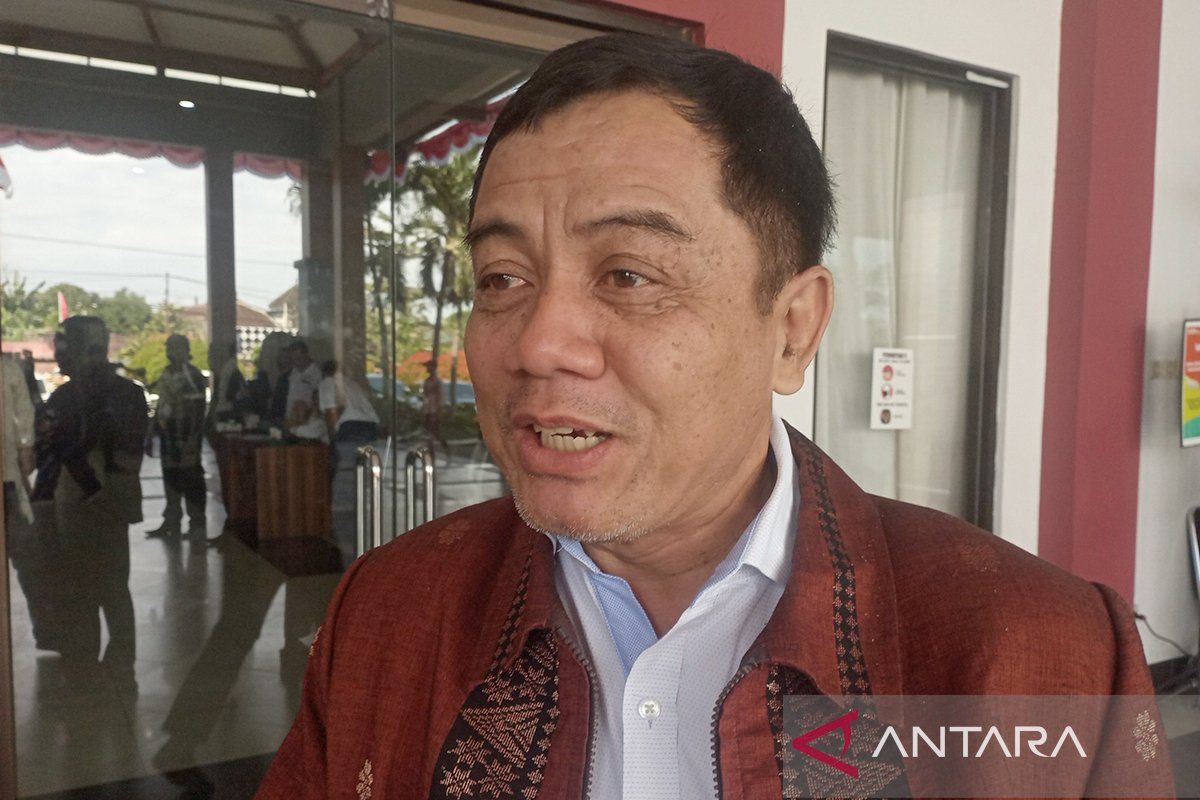
Purwokerto - An agriculture expert from Universitas Jenderal Soedirman (Unsoed) in Purwokerto, Prof Totok Agung Dwi Haryanto, has warned of the potential decline in food production due to the El Niño phenomenon, which is expected to trigger a longer dry season and hotter temperatures than normal conditions.
“The El Niño phenomenon will cause the dry season to extend, thereby impacting the growth and production of crops, especially food and horticultural crops,” said Prof Totok in Purwokerto, Banyumas Regency, Central Java, on Tuesday.
According to him, disruptions to the agricultural sector are generally caused by two main factors: water shortages and increased air temperatures.
He stated that up to the end of March, rainfall in Central Java remains relatively high, so early signs of the dry season have not yet appeared clearly, even though it was previously forecasted by the Meteorology, Climatology, and Geophysics Agency (BMKG) to arrive earlier.
Therefore, more accurate predictions regarding the onset of drought are needed so that anticipatory measures can be taken appropriately.
“There needs to be certainty about when the drought will start, so farmers can adjust planting patterns and select crop varieties that are more tolerant to dry conditions,” he said.
In facing this potential, he encourages farmers to begin developing crop varieties that are more resistant or tolerant to drought, such as gogo rice.
He also emphasised the importance of seed readiness in sufficient quantities to support accelerated planting periods, given that predictions about dry conditions in 2026 have been provided by BMKG for quite some time.
According to him, accelerating the planting period in the second planting season (MT II) is an important strategy so that crops can grow optimally before the peak of the dry season occurs.
“Seedlings can be started earlier, even before the harvest of the first planting season, so that after harvesting, the land can be immediately processed and replanted,” he said.
He stated that water resource management is also a crucial factor in facing the prolonged dry season.
According to him, the utilisation of alternative water sources such as wells and the use of water pumps need to be optimised to maintain water availability for crops.
In this regard, the availability of fuel oil (BBM), particularly diesel, is an important component in supporting the operation of water pumps and agricultural machinery.
Therefore, he calls for government policies that favour farmers, especially in terms of ease of access and price stability for BBM.
“Policies are needed to make it easier for farmers to obtain BBM at affordable prices, for example through subsidy schemes or special distribution to agricultural areas,” he said.
He highlighted the importance of maintaining smooth water distribution through irrigation networks during the dry season.
According to him, irrigation repair activities that require drying the channels should be limited during the dry season, except in urgent conditions.
“If not too urgent, irrigation repairs should be postponed to avoid disrupting water supply to agricultural land, as this could impact the planting process and production,” he said.
Prof Totok hopes that with these various anticipatory measures, the impact of El Niño on the agricultural sector can be minimised, so that food production targets can still be achieved and national food security can be maintained.