
Unrepentant Indonesian Palm Oil Giants Entangled in CPO Export Fraud Case
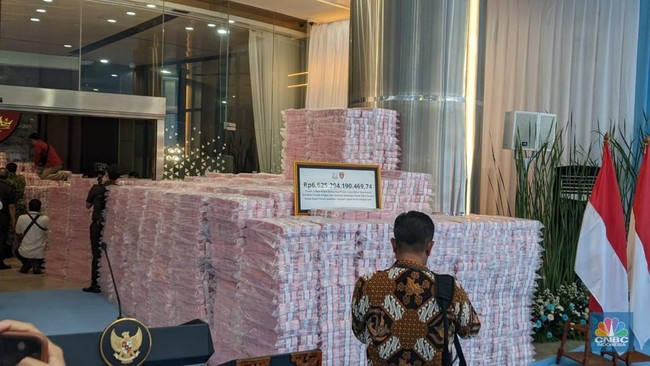
Jakarta, CNBC Indonesia – A case involving palm oil companies’ export manipulation has resurfaced. Finance Minister Purbaya revealed that at least 10 major palm oil firms are suspected of under-invoicing exports. ‘I took the top 10, all of them are doing it. So it’s safe to say they all are. So I randomly selected them,’ Purbaya said last week. Previously, a similar case handled by the Attorney General’s Office (AGO) occurred. The Special Crimes Investigation Team (JAM PIDSUS) on 10 February 2026 designated 11 individuals as suspects in a corruption case involving the mismanagement of crude palm oil (CPO) and palm oil mill effluent (POME) exports from 2022 to 2024. Details of the case, as cited from the AGO, are as follows: - Between 2020 and 2024, the Indonesian government implemented export restrictions and controls on crude palm oil (CPO) to ensure domestic cooking oil availability and price stability. These measures were enforced through the Domestic Market Obligation (DMO), export approval requirements, and the imposition of export duties and palm oil levies; - Under this policy, CPO is classified as a national strategic commodity under HS Code 1511, regardless of free fatty acid (FFA) content. Thus, all forms of CPO, including high-acid varieties, remain subject to export restrictions and national obligations; - However, investigators found manipulation in export commodity classification. High-acid CPO was deliberately misclassified as palm oil mill effluent (POME) or palm acid oil (PAO) using HS Code 2306, which is meant for solid waste residues; - The misclassification aimed to evade CPO export controls, allowing the commodity to be exported as non-CPO and thus avoid or reduce national obligations; - The drafting and use of an unenforced palm oil downstream industry map containing commodities and technical specifications not recognised in international classification systems, yet still used by authorities; - Exporting CPO using incorrect classifications to bypass export restrictions and bans, evade Domestic Market Obligation (DMO) requirements, and reduce payable export duties and palm oil levies to the state; - Kickbacks or payments to government officials to facilitate administrative and export oversight processes, allowing non-compliant classifications to be used without correction; - The suspects are alleged not only to be aware of applicable laws but also to have actively participated in creating, using, and allowing the fraudulent mechanism to continue.